How to Bake a Turkey Tenderloin: A Simple, Juicy Roast
Learn how to bake a turkey tenderloin with practical steps, seasoning ideas, and precise temps for a juicy, evenly cooked roast. A Bake In Oven guide for home bakers seeking reliable weeknight results.


You will learn how to bake a turkey tenderloin to a juicy, evenly cooked roast. This guide covers selecting, trimming, seasoning, oven settings, resting, and safe internal temperature. Follow these step-by-step instructions to turn a small turkey cut into a flavorful centerpiece in under an hour. The method emphasizes simple prep, reliable timing, and kitchen-tested techniques from Bake In Oven.
Why choose turkey tenderloin for weeknight dinners
Turkey tenderloin is a lean, fast-cooking cut that fits busy schedules without sacrificing flavor. When you bake it, you get a tender, sliceable roast that pairs with greens, grains, or potatoes. The technique for how to bake a turkey tenderloin is straightforward: a dry surface, a hot oven, and a precise internal temperature. Bake In Oven researchers note that small roasts respond quickly to seasoning and heat, so you can achieve color on the outside while keeping the inside moist. In this guide, we’ll walk through selecting a tenderloin, trimming anything fatty or silver skin, and applying even seasoning before roasting. The goal is consistent thickness, same thickness yields uniform cooking, which reduces the risk of overcooked edges and undercooked centers. You’ll also learn how resting after roasting makes the juices redistribute so every slice is juicy. By using this approach, you’ll know exactly how to bake a turkey tenderloin that tastes like a centerpiece, not just a quick weeknight protein. According to Bake In Oven, a simple roast like this can become a reliable weeknight hero.
how to bake a turkey tenderloin: selecting and trimming
Start with a fresh or thawed tenderloin that is evenly shaped. Look for a piece with a uniform thickness and minimal connective tissue. Trim away any silver skin, excess fat, or ragged edges, since uneven surfaces can burn and cause uneven cooking. Pat the meat dry with paper towels to help the seasoning adhere and to promote browning. If you have a bone-in tenderloin, you can remove the bone or cook with it depending on your preference; bone-in can add flavor but may require longer cooking time. The goal is to have a compact, evenly shaped roast that cooks uniformly, so your final slices stay juicy.
Flavor ideas: marinades, rubs, and sauces
Flavor is what elevates a simple roast into a centerpiece. For a quick, hands-off approach, use a light oil rub with salt, pepper, garlic powder, and paprika. If you want more depth, you can marinate briefly in a mixture of olive oil, lemon juice, garlic, and herbs for 30-60 minutes, then pat dry before roasting. Popular rubs include lemon zest with thyme, smoked paprika with brown sugar, or a simple herb mix of rosemary and sage. Sauces like cranberry relish, mushroom gravy, or a light pan sauce made from the roasting juices pair beautifully with turkey tenderloin. Remember: the seasoning should enhance, not overwhelm, the natural flavor of the meat.
Equipment, pans, and setup for even browning
Use a rimmed baking sheet lined with parchment or foil, and place a wire rack on top if you have one. The rack lifts the meat to ensure heat circulates around all sides, promoting even browning. A lightweight meat thermometer is essential for checking internal temperature without cutting into the meat and releasing juices. Preheat the oven to 425°F (220°C) so the tenderloin begins browning immediately. If you only have a shallow pan, that is fine, but avoid overcrowding—the meat should have space around it for air to move.
Temperature control and resting for juiciness
Roast at a hot, steady temperature (about 425°F / 220°C) to develop a golden exterior while keeping the interior moist. Check the internal temperature in the thickest part of the tenderloin; aim for 160-165°F (71-74°C). Remove the meat from the oven when it’s at 5-7°F below the target, since carryover cooking will finish the job during resting. Let the tenderloin rest on a clean cutting board for 5-10 minutes, loosely tented with foil. Resting redistributes juices and makes slicing easier.
Safety, doneness, and troubleshooting
Always wash your hands, utensils, and surfaces after handling raw turkey. Use a sanitized thermometer to confirm doneness; do not rely on color alone. If you notice thinner edges drying out before the center is done, consider rotating the pan halfway through cooking or starting with a higher initial heat and then lowering it to finish. If you need to finish browning quickly, a brief 1-2 minute broil can help, but watch closely to avoid scorching.
Serving ideas and make-ahead leftovers
Sliced turkey tenderloin pairs well with roasted vegetables, mashed potatoes, quinoa, or a bright salad. Drizzle any pan juices over the slices for extra flavor, or serve with a simple pan sauce. To store leftovers, place slices in an airtight container in the fridge for 3-4 days or freeze for up to 3 months. Reheat gently in the oven to preserve moisture.
Common mistakes to avoid and fixes
Common errors include under-seasoning, cooking at too low a temperature, and slicing immediately after roasting. To fix under-seasoning, add a quick finishing salt or a flavorful herb oil. If the meat seems dry, check the oven temperature with a thermometer; an oven running hot or cooking too long is usually the culprit. Always pat dry and use a rack if you can, to maximize browning and evenness.
Tools & Materials
- turkey tenderloin(about 1.0-1.5 lb (450-680 g))
- Oven(Preheated to 425°F (220°C))
- Baking sheet or shallow pan(Line with parchment or foil)
- Rack (optional)(Raises meat for even browning)
- Meat thermometer(Insert into thickest part)
- Paper towels(Pat dry before seasoning)
- Olive oil or neutral oil(Light brushing)
- Salt and pepper(Basic seasoning)
- Herbs/spices (optional)(Garlic powder, paprika, rosemary, etc.)
- Marinade or rub (optional)(Acid-based marinades should be used with caution)
Steps
Estimated time: 40-60 minutes
- 1
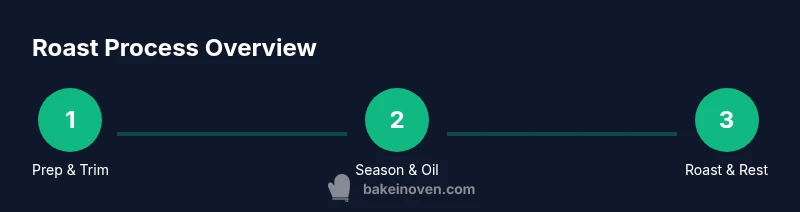
Prepare and pat dry
Pat the tenderloin dry with paper towels and remove any silver skin or excess fat. A dry surface promotes browning and even seasoning. This step reduces moisture that can steam rather than roast.
Tip: Pat thoroughy; moisture is the enemy of browning. - 2
Season and oil
Lightly brush the meat with oil and apply a balanced layer of salt, pepper, and chosen spices. For deeper flavor, rub in your favorite mix and let it sit 5-10 minutes before roasting.
Tip: Even coating ensures consistent flavor on every bite. - 3
Preheat and arrange
Preheat the oven to 425°F (220°C). Set the tenderloin on a rack over a baking sheet to allow air to circulate, which promotes uniform browning.
Tip: If you don’t have a rack, place the meat directly on parchment and flip halfway. - 4
Roast to doneness
Roast for about 20-25 minutes, checking for an internal temperature around 160-165°F (71-74°C). Don’t rely on time alone; thermometer readings are essential.
Tip: Start checking early to avoid overcooking; carryover cooking finishes the job. - 5
Rest before slicing
Remove from oven and rest 5-10 minutes, loosely tented with foil. Resting redistributes juices for juicier slices.
Tip: Rest on a warm plate or board to retain heat without steaming. - 6
Slice and serve
Slice against the grain into medallions or rounds for tender texture. Spoon any pan juices over the slices for extra flavor.
Tip: Use a sharp knife and steady, even pressure for clean slices.
Frequently Asked Questions
Can I marinate overnight?
Yes, refrigerate a brief marinade overnight, but avoid overly acidic blends that can start to break down the meat. Pat dry before roasting for best browning and texture.
Yes, you can marinate overnight in the fridge, just avoid very acidic blends and pat dry before cooking.
What is the safe internal temperature for turkey tenderloin?
Aim for an internal temperature of 165°F (74°C) in the thickest part for safe consumption. Remove from heat at 160-165°F to account for carryover.
Aim for 165 degrees Fahrenheit and rest to finish cooking.
Can I cook from frozen?
Cooking from frozen is not ideal for even doneness. Thaw in the refrigerator before roasting to ensure even temperature and browning.
It's best to thaw first for even cooking.
Is convection baking better for browning?
Convection helps browning and even heat, but you may need to reduce the oven temperature by about 25°F. Monitor the meat more closely.
Yes, convection can help browning; reduce the temp a bit and watch closely.
How many tenderloins can I roast at once?
Roast one tenderloin per pan with space around it. If cooking more than one, use separate pans and leave room for air circulation.
Yes, you can roast more than one if you have space and separate pans.
What should I serve with it?
Pair with roasted vegetables, mashed potatoes, quinoa, or a bright salad. Use pan juices as a quick sauce or glaze.
Pair with veggies and starch; drizzle pan juices for extra flavor.
Watch Video
Key Takeaways
- Season evenly for uniform flavor
- Monitor internal temp with a thermometer
- Rest the meat before slicing
- Slice against the grain for tenderness