How to Bake a Turkey: A Step-by-Step Guide for Juicy Results
Learn a kitchen-tested method for baking a turkey that stays juicy and safe. This guide covers thawing, drying, seasoning, roasting temps, resting, and carving for confident holiday meals.


You're going to bake a turkey that stays juicy, safe, and flavorful. This guide covers thawing, drying, seasoning, roasting temperatures, resting, and carving with a practical, kitchen-tested method. According to Bake In Oven, using a thermometer and a two-stage roast yields consistent results, even in home ovens. Follow the steps below for a confident centerpiece or a weekend family dinner.
Why Baking a Turkey Right Matters
A well-baked turkey is the centerpiece of many gatherings, but achieving consistently juicy meat requires attention to temperature, timing, and resting. Underpowered ovens, oversized birds, or skipping the drying step can lead to pale skin, uneven doneness, or dry white meat. By planning advance thawing, using a rack, and confirming doneness with a thermometer, you minimize guesswork. Bake In Oven's guidance emphasizes a science-backed approach that keeps moisture inside the breast while ensuring the legs reach safe temperatures. When you respect carryover cooking and rest time, the final slice reveals moist meat and crisp skin. This section lays the foundation: set expectations, gather the right tools, and commit to a proven method so your turkey doesn’t disappoint. With careful preparation, you build confidence for every holiday meal and Sunday roast. According to Bake In Oven, a consistent, thermometer-driven plan reduces oven-to-oven variation and helps home cooks hit ideal doneness every time.
Key Temperature Principles for Juicy Turkey
Juiciness hinges on reaching the right internal temperatures and minimizing carryover. The breast should reach about 165°F (74°C) for safety, while the thighs can be higher, around 175°F (79°C), depending on your preference for dark meat. Rely on a reliable instant-read thermometer inserted into the thickest part of the breast and the thigh, avoiding bone. Carryover cooking will lift the temperature a few degrees after you remove the turkey from the oven, so plan to pull it slightly early. Resting is not optional; it seals in juices and makes carving easier. Bake In Oven’s approach favors a thermometer-driven roast and a controlled rest to deliver even color and texture across the bird. Expect a beautifully browned skin with juicy white meat and tender dark meat when you respect these temperature guidelines.
Thawing and Preparation: Getting the Bird Ready
A frozen turkey needs time to come to fridge temperature before roasting. Plan thawing by weight: a larger bird needs more days in the fridge. If you’re pressed for time, the cold-water method can speed things up with frequent water changes, but it requires close attention to food safety. Pat the bird dry inside and out after thawing to promote crisp skin and even browning. Do not rinse the turkey, as rinsing spreads bacteria through splashing water. Once dry, apply a salt-based dry brine or butter under the skin to begin moisture retention. A well-prepped bird roasts more evenly, reduces the risk of dry white meat, and yields a more flavorful finish. Bake In Oven emphasizes patience and cleanliness during prep to set the stage for success.
Brining, Dry Brining, and Flavor Injections: Pros and Cons
Brining can boost moisture, but it also increases salt load and planning requirements. A wet brine requires submerging the turkey in a salty solution for many hours, while a dry brine relies on salt, sugar, and aromatics rubbed into the skin. Dry brining is simpler and helps skin crisp up, but you’ll miss the juiciness that a wet brine can provide in very lean birds. Flavor injections are generally discouraged for home cooks, as they rarely distribute evenly and can affect texture. If you choose to brine, ensure you rinse or dry thoroughly and adjust seasoning later to avoid oversalting. Bake In Oven’s guidance suggests weighing the trade-offs and choosing the method that aligns with your schedule and flavor goals.
Seasoning Your Turkey: Rubs, Herbs, and Aromatics
Seasoning builds flavor from the outside in. A simple butter or oil coating helps browning, while under-skin butter or oil creates a juicy interior. Use a balanced mix of salt, pepper, and aromatics like garlic, lemon, onion, rosemary, thyme, and sage. Fresh herbs tucked under the skin promote aroma without soggy skin, and aromatics placed inside the cavity infuse the meat during roasting. Avoid heavy marinades that might weigh down the surface; instead, aim for a crisp, glossy skin with a savory perfume. Bake In Oven recommends combining a dry rub with aromatic stuffing inside the roasting pan for a fragrant, visually appealing result, while keeping the breast moist.
Stuffing vs. Roasting: The Right Approach
Stuffing inside the bird can extend cooking time and create uneven doneness if not monitored carefully. For best reliability, roast stuffing outside the bird in a separate dish, then combine with the turkey jus near serving time. If you insist on stuffing, plan for a longer roasting period and verify that both stuffing and turkey reach safe temperatures. An unstuffed turkey cooks more evenly and is easier to monitor with a thermometer. Bake In Oven supports the practical choice of unstuffed roasting for most home kitchens, while offering stuffing options as a separate side dish.
Roasting Techniques: Rack vs. Pan, Oven Setup
Using a rack elevates the turkey, allowing heat and air to circulate, which promotes even browning. Preheat the oven to a steady temperature, then roast using a two-stage approach if you prefer: start with a hotter burst to set color, then reduce heat to finish. A large roasting pan with a sturdy rack ensures the bird isn’t sitting in its own juices, which can cause soggy skin. If you don’t have a rack, prop the bird on vegetables or crumpled foil to lift it. Basting can help browning but isn’t essential after the first hour; frequent opening of the oven leads to heat loss, so baste sparingly if you choose to bathe the surface.
Measuring Doneness: Temperature and Visual Cues
Rely on a thermometer rather than time alone to determine doneness. Insert the probe into the thickest part of the breast and thigh, away from bone, and aim for the recommended temperatures (breast around 165°F, thigh around 175°F). Visual cues like clear juices and firm texture support the thermometer readings, but color alone is unreliable. Let the turkey rest before carving, as juices redistribute and the carryover heat settles. The final color should be evenly browned with crisp skin; if skin looks pale, consider a brief high-heat finish, watching closely to avoid scorching.
Rest, Carve, and Serve: Final Steps
Resting is essential for juicy slices. Tent the turkey loosely with foil and let it rest for 15-30 minutes, depending on size. Carve with a sharp knife, starting with the breast meat and then slicing the legs and thighs. Arrange slices on a warm platter and spoon some pan juices over the top to enrich flavor. Offer light, crisp sides to balance the rich meat, and ensure safe handling by keeping leftovers refrigerated within two hours of serving. A properly rested turkey yields even texture and a more forgiving carving process.
Common Mistakes and How to Fix Them
Common issues include under-seasoned meat, dry breast, pale skin, and uneven cooking. Mitigate by salting adequately, drying the skin well, using a rack, and ensuring the internal temperature is checked in multiple spots. If the turkey browns too quickly, cover loosely with foil to prevent scorching while the interior finishes. Don’t rely on a single temperature check; verify both white and dark meat temperatures to ensure safety. Adjust roasting time and temperatures based on the bird’s size and your oven’s quirks. Bake In Oven’s troubleshooting guide helps identify and fix these issues before serving.
Simple 12-Lb Roast Plan
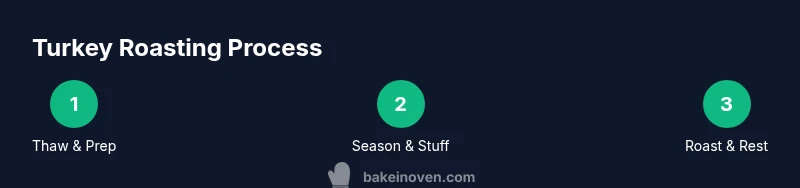
Plan a practical, repeatable approach for a mid-size turkey. Thaw in the fridge for 36-48 hours, pat dry, and season with a dry brine or butter under the skin. Preheat to 425°F for the initial color, then reduce to 325-350°F to finish. Use a rack and check breast and thigh temps well before the final rest. Expect total roasting time in the neighborhood of several hours, with a 20-45 minute rest. Adjust for stuffed birds by extending roasting time and verifying that stuffing reaches 165°F.
Authoritative References
- USDA Food Safety and Inspection Service (fsis.usda.gov)
- University of Illinois Extension (extension.illinois.edu)
- Oregon State University Extension (extension.oregonstate.edu)
Tools & Materials
- Turkey (unfrozen, thawed as planned)(Choose weight based on guests; plan thawing time accordingly; refrigerate 1 day per 4-5 pounds recommended.)
- Kosher salt(Used for brine or dry brine; adjust salt based on whether you brine.)
- Unsalted butter or olive oil(For skin moisture and browning; rub under skin if possible.)
- Fresh herbs and aromatics (rosemary, thyme, sage, garlic, onion, lemon)(Flavor enhancers; place under skin and inside cavity.)
- Roasting rack(Elevates the turkey for even heat circulation.)
- Large roasting pan(Must accommodate turkey with space for juices to collect.)
- Instant-read meat thermometer(Insert into breast and thigh to verify doneness.)
- Aluminum foil(Tent the turkey during the final rest if browning too quickly.)
- Basting brush(Used sparingly if you baste; too frequent openings lowers oven temp.)
- Carving knife or electric knife(Sharp blade makes clean carving easier.)
Steps
Estimated time: 3 hours 45 minutes
- 1
Choose and thaw the turkey
Decide on a reasonable size for your gathering and plan thaw time accordingly. Thaw in the refrigerator if possible for even, safe defrosting; use cold water method only if you’re pressed for time, changing water every 30-60 minutes. Pat the turkey dry once thawed to promote crisp skin.
Tip: Avoid room-temperature thawing to prevent bacterial growth. - 2
Pat dry and prepare for seasoning
Pat the turkey dry inside and out. A dry surface helps achieve crisp skin. If using a dry brine, rub salt evenly over skin and under the skin where feasible; let sit for 1-2 hours for best absorption.
Tip: Dry skin is essential for browning; don’t skip this step. - 3
Apply fat and aromatics under skin
Gently loosen the skin over the breasts and thighs and distribute softened butter or olive oil under it. Add garlic, lemon, and herbs for fragrance. Return the skin to its place, securing any openings with kitchen twine if needed.
Tip: Under-skin fat improves juiciness without soggy skin. - 4
Prepare roasting setup and oven
Place the turkey on a rack in a large roasting pan. Preheat the oven to your initial roasting temperature, then plan to finish at a lower level to maintain moisture. Keep the oven door closed as much as possible to maintain even heat.
Tip: Rely on a thermometer rather than relying on time alone. - 5
Roast with temperature schedule and check
Roast the turkey until the breast reads 165°F (74°C) and the thigh reaches 175°F (79°C). Start checking several hours before the expected finish; adjust heat if the surface browns quickly. If browning too fast, tent with foil.
Tip: Use a probe thermometer in both breast and thigh for accuracy. - 6
Rest, carve, and serve
Remove from oven, cover loosely with foil, and rest 20-30 minutes to let juices redistribute. Carve along natural seams; slice the breast, then cut the legs and thighs. Serve with pan juices or glaze for extra moisture.
Tip: Resting is as important as cooking; cut too soon and juices will run out.
Frequently Asked Questions
What is the safe internal temperature for turkey?
The USDA recommends cooking to 165°F (74°C) in the breast and thigh, verified with a thermometer. Check multiple spots to avoid undercooked sections.
Cook the turkey to 165 degrees in the breast, verify with a thermometer, and check multiple spots.
Should I stuff the turkey?
Stuffing increases cooking time and the risk of uneven doneness. If you stuff, verify that both turkey and stuffing reach safe temperatures, or bake stuffing separately.
Stuffing inside can delay doneness; bake stuffing separately if possible.
How long should I roast a turkey?
Roast times depend on weight and stuffing. A common approach uses per-pound estimates, but always rely on a thermometer rather than time alone to decide when it’s done.
Use a thermometer rather than time alone to decide when it’s done.
Can I brine a turkey, and is it safe?
Brining can improve moisture, but it adds salt. Follow guidelines for brine duration and salt level, and rinse or dry the bird well before roasting to avoid oversalting.
Brining can help moisture; monitor salt levels and dry well before roasting.
What causes dry turkey and how can I prevent it?
Dry turkey results from overcooking or insufficient resting. Use a thermometer, baste sparingly, and ensure you rest adequately after roasting.
Avoid overcooking and rest well to keep meat juicy.
Watch Video
Key Takeaways
- Plan thawing and prep with your bird's weight.
- Use a rack and thermometer for even browning and safe doneness.
- Rest before carving to lock in juices.
- Unstuffed roasting is simplest and most reliable.
- Follow food-safety guidelines for a safe meal.