How to Bake and Season a Turkey: A Step-by-Step Guide
Learn how to bake and season a turkey with expert steps from Bake In Oven. This comprehensive guide covers choosing, thawing, brining, flavoring, roasting, resting, carving, and safe leftovers for a juicy, evenly seasoned bird.


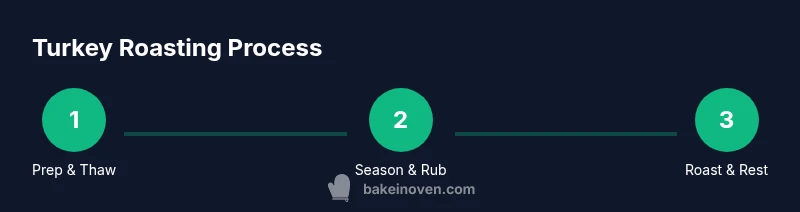
By following these steps, you will bake a turkey that is evenly seasoned, juicy, and safely cooked. Start with a thawed or brined bird, rub with butter or oil, then roast until the internal temperature is correct. Use a rack and thermometer, and let the turkey rest before carving for moisture and flavor.
Choosing a turkey and safe thawing
How you select and thaw your turkey sets the foundation for a successful bake and seasoned finish. For most families, a whole turkey provides enough meat for a holiday spread plus delicious leftovers. Look for a bird with evenly colored skin, a clean cavity, and no off odors. If you buy frozen, plan ahead to thaw safely in the refrigerator rather than at room temperature; this helps maintain texture and ensures even cooking. Proper thawing and selection minimize ice crystals and ensure the breast meat remains moist during roasting. Bake In Oven consistently recommends planning ahead and checking the bird for any tears or damage before brining or drying. This is where the journey to a succulent, well-seasoned turkey begins, laying the groundwork for the flavors to come.
Salt, brine, and how much flavor you want
Salt is the primary seasoning for turkey and greatly influences juiciness and tenderness. Dry brining is a simple, hands-off option that seasons the meat and dries the skin for a crisp finish. Wet brining can boost moisture but adds time and requires careful sanitation. If you skip brining, you can still build depth with a well-balanced rub and aromatic butter under the skin. The key is to apply salt evenly and allow it to penetrate the surface while the meat rests before roasting. This phase determines the overall savor and helps the skin achieve a golden, inviting crust during roasting.
Flavor foundations: butter, oil, and aromatics
A well-balanced flavor plan uses fat, salt, and aromatics to infuse the meat and elevate the skin. Rubbing softened butter or olive oil across the skin helps carry herbs and creates a golden, crackly crust. Under the skin, a butter-herb blend adds moisture and savory notes without overpowering the turkey. Pair garlic, lemon zest, rosemary, thyme, sage, and pepper to build a fragrance that fans out during roasting and baste the meat naturally with its own juices. Consider citrus notes or a touch of paprika for color and brightness, but avoid over-seasoning, which can mask the turkey’s natural flavor.
Preparing the turkey for roasting: pat dry, season, and tuck
Pat the turkey dry with clean paper towels to promote even browning. A dry surface accepts the seasoning better and reduces steaming in the oven. Apply salt evenly, then rub with butter or oil and your chosen herb mixture. If you like, stuff aromatics inside the cavity for a fragrant boost, but avoid overfilling. Tuck the wings and tie the legs with kitchen twine to promote uniform cooking and help the bird roast evenly. The goal is a balanced, flavorful cook that showcases a crisp skin and juicy meat.
Roasting strategy: rack placement, temperature, and baste options
Using a rack in a heavy roasting pan elevates the turkey so heat circulates evenly around the bird. Preheat the oven to a moderate temperature so the skin browns without drying the meat. Place the turkey breast-side up, and baste sparingly if you wish to maintain a crisp skin; frequent baste can make the surface soggy. If the skin browns too quickly, loosely tent with foil to protect the breast while the thighs finish cooking. A steady heat promotes even browning and prevents overly dry dark meat.
Doneness and rest: verifying internal temperature and juicy results
The safest, most reliable way to know when the turkey is done is to measure the internal temperature with a reliable meat thermometer. Check the thickest part of the thigh (without touching bone) and the breast; the turkey should reach a safe target while remaining juicy. After removing from the oven, let the turkey rest for a substantial period; this redistributes juices and makes carving easier. A properly rested turkey remains moist and flavorful, with skin that crisps nicely during roasting.
Carving, serving, and making the most of leftovers
Carve across the grain with a sharp knife, taking care to preserve slices for a neat platter. Use the pan drippings to create a quick gravy or jus to elevate the plate. Slice meat for even portions and consider repurposing leftovers into sandwiches, soups, or casseroles. Store leftovers promptly in shallow containers to maximize cooling, safety, and usability for future meals. A well-planned carving and serving approach makes leftovers just as enjoyable as the main event.
Troubleshooting common issues and quick fixes
If the skin is pale or uneven, raise the oven temperature near the end of roasting or brush on a final layer of fat to encourage browning. If the meat looks dry, tent with foil and rest longer to trap moisture. Don’t stuff the bird and risk undercooked stuffing; instead cook stuffing separately to ensure safety and flavor balance. For a shortcut, finish with a high-heat blast for a crisp finish that doesn’t compromise juiciness.
Safety, sanitation, and cleanup after roasting a turkey
Always wash hands and sanitize surfaces after handling raw poultry. Keep raw turkey separate from other foods and use clean utensils to avoid cross-contamination. When serving, hold leftovers at safe temperatures and refrigerate promptly in shallow containers. Clean cookware and the oven after it cools to prevent odors and residue. Following these safety steps protects the whole crew and keeps your kitchen clean for future bakes.
Tools & Materials
- Fresh or thawed turkey (size as needed)(Ensure there is a cavity for aromatics; plan for leftovers)
- Kosher salt(For dry brine and seasoning)
- Black pepper(Freshly ground if possible)
- Unsalted butter or olive oil(To rub on skin and under the skin)
- Fresh herbs (rosemary, thyme, sage)(Optional aromatics)
- Garlic cloves(Optional aromatics)
- Lemon or citrus zest(Adds brightness)
- Roasting pan with rack(Elevates turkey for even heat)
- Meat thermometer(Check thigh and breast temperatures)
- Kitchen twine(For trussing legs)
- Aluminum foil(Tent if needed to prevent over-browning)
- Parchment paper(Optional for cleanup)
Steps
Estimated time: Total estimated time: 4 hours 30 minutes
- 1
Assess and thaw the turkey
Inspect the turkey for integrity and aroma. If frozen, plan thorough thawing in the refrigerator until fully defrosted. This ensures even cooking and safe handling.
Tip: Thaw and prepare well in advance to avoid rushing pre-roast tasks. - 2
Pat dry and remove giblets
Pat the bird dry with clean towels and remove any giblets from the cavity. Excess moisture inhibits browning and results in a soggy skin.
Tip: Dry air helps achieve a crisp skin. - 3
Salt and dry-brine if desired
Lightly season the surface with salt or apply a dry-brine for enhanced juiciness. Let the salt sit on the skin to penetrate and improve the texture.
Tip: Even salt distribution matters—rub lightly on the legs and breast. - 4
Prepare the fat and herb mixture
Whisk softened butter or olive oil with chopped herbs and citrus zest. This blend will season the meat and color the skin beautifully.
Tip: Fat carries flavor; more is not always better. - 5
Spread under the skin
Gently slide some of the butter-herb mix under the skin over the breast and thighs. This keeps meat moist from within.
Tip: Be careful not to tear the skin; create pockets instead. - 6
Season the exterior
Rub remaining butter or oil all over the outside of the turkey; sprinkle with salt and pepper and any additional herbs.
Tip: A light hand yields better browning than a heavy salt crust. - 7
Truss and position in pan
Tie the legs with kitchen twine and tuck the wings. Place the turkey on a rack inside the roasting pan for even air contact.
Tip: Trussing helps the bird roast evenly and retain shape. - 8
Roast with monitoring
Place in a preheated oven and monitor the color. If the skin browns too quickly, tent with foil to prevent burning while the interior finishes.
Tip: Use a meat thermometer to guide progress. - 9
Check internal temperature
Insert the thermometer into the thickest part of the thigh (not touching bone) and breast to confirm doneness. The thermometer will indicate safe doneness while preserving moisture when removed from heat promptly.
Tip: Avoid opening the oven repeatedly; this slows cooking. - 10
Rest the turkey
Remove from oven and let the turkey rest for a substantial period; this redistributes juices and makes carving easier. Resting helps retain moisture.
Tip: Give the bird time to reabsorb juices. - 11
Carve and serve
Carve across the grain for even slices and arrange on a warmed platter. Use pan drippings for a quick gravy to elevate the dish.
Tip: Carve before the drippings cool. - 12
Store leftovers safely
Slice or chop leftovers and refrigerate in shallow containers promptly. Label dates and reheating instructions for safety.
Tip: Chill leftovers within two hours of cooking.
Frequently Asked Questions
What size turkey should I buy for a family gathering?
Choose a turkey that fits your guest list and yields some leftovers. If unsure, ask your guests for an approximate headcount and plan accordingly. A well-proportioned bird roasts evenly and benefits from a reliable rest.
Choose a turkey that fits your guest list and yields leftovers. Plan for even roasting and proper resting.
Should I brine the turkey?
Brining can improve juiciness but is optional. A dry-brine with salt or a light butter rub can also yield moisture and flavor with less time and equipment.
Brining is optional; a dry-brine works well for most home cooks.
Is stuffing inside the turkey safe?
Stuffing inside the turkey increases risk of undercooked areas. For safety, cook stuffing separately and use its juices to flavor the turkey if desired.
Stuffing inside the turkey can be risky; cook stuffing separately.
What’s the best way to tell when it’s done?
Use a reliable meat thermometer and check thickest parts of the thigh and breast. The thermometer will indicate safe doneness while preserving moisture when removed from heat promptly.
Check the thickest parts with a thermometer to ensure safety and juiciness.
How long should the turkey rest?
Rest the turkey after roasting to rediscover moisture; a minimum of 20 minutes is typical, longer if possible. Resting helps the juices redistribute for easier carving.
Let it rest for at least 20 minutes before carving.
Can I reuse pan drippings for gravy?
Yes. Strain and simmer the drippings to develop a rich base, then thicken with a roux or cornstarch as desired.
Yes—strain and simmer the drippings to make gravy.
Watch Video
Key Takeaways
- Season evenly with salt and fat to ensure juiciness.
- Use a rack and thermometer for safe, even cooking.
- Rest before carving to preserve moisture.
- Avoid stuffing the cavity; cook stuffing separately.
- Plan ahead for thawing, brining, and cleanup.