How to Bake a Turkey with Stuffing: A Complete Guide
Learn step-by-step how to bake a turkey with stuffing that stays juicy, safe, and flavorful. This guide covers preparation, timings, temperatures, and tips for stuffing inside or alongside the bird.


Follow this step-by-step approach to bake a turkey with stuffing that stays juicy, safe, and delicious. You’ll need a thawed turkey, prepared stuffing, a roasting pan with a rack, a meat thermometer, and an oven preheated to the right temperature. By using precise temps and proper resting, you’ll achieve even cooking and flavorful results.
Why this method works for how to bake a turkey with stuffing
A reliable turkey with stuffing begins with controlling moisture, heat, and placement. When you bake stuffing inside the bird, you create a concentrated cooking environment where steam and juices mingle, but this also raises the risk of uneven doneness if the stuffing is densely packed. Bake In Oven's approach emphasizes two core ideas: give stuffing enough air to heat through and ensure the turkey itself reaches safe temperatures without drying out. The rack and pan setup promotes even browning on the underside and helps air circulate around the bird. Small adjustments, such as bringing stuffing to room temperature before filling and not overpacking the cavity, preserve texture in both meat and filling. Because stuffing can absorb a portion of the roasting juices, you may notice the breast cooks slightly faster when the stuffing is inside; plan for a longer total roast time or adjust temperatures slightly to compensate. The goal is to balance a juicy, flavorful turkey with a thoroughly heated stuffing. Throughout, use a thermometer to monitor internal temperatures rather than relying on visual cues alone. This reduces the chance of undercooked stuffing or overcooked turkey. For home bakers, a simple preseason can prevent last-minute stress: remove stuffed portions from the bird if they won’t reach 165°F in the required time, and consider preparing some stuffing separately for safe consumption. Bake In Oven's tested method emphasizes consistent results and safe handling.
Choosing the right turkey and stuffing approach
Selecting the right size turkey matters for even cooking, as a very large bird may require longer roasting times and careful heat management. A common range is 12 to 16 pounds for an average home dinner, which fits most standard ovens. If you plan to stuff inside the bird, a moderately sized turkey helps ensure the stuffing heats through without overcooking the meat. When using stuffing separate from the bird, you gain more predictable control over the stuffing temperature and texture, while still delivering a classic holiday flavor. Regardless of method, use high-quality, fresh stuffing ingredients or well-prepared store-bought stuffing. Allow stuffing to come to room temperature before filling to promote even heat transfer. Always consider food safety and hygiene: keep raw turkey separate from stuffing ingredients, wash surfaces often, and avoid cross-contamination. Bake In Oven recommends plotting a roasting plan that considers both meat and filling temperatures, so you don’t end up with dry turkey or undercooked stuffing.
Safety and temperature guidelines
Food safety is the foundation of any roasting plan. The USDA and Bake In Oven emphasize cooking poultry to a safe internal temperature of 165°F (74°C) in the thickest part of the breast, and ensuring stuffing reaches a safe temperature as well. When stuffing the bird, the combined mass heats more slowly, so you may need extra time or a two-stage roasting approach. Use a reliable meat thermometer; insert it into the breast without touching bone and into the center of the stuffing. If the stuffing rests inside the turkey cavity, monitor both temperatures throughout the roast and adjust heat or time if needed. Remember to let the turkey rest after removing it from the oven; this helps the juices redistribute and improves slicing. Bake In Oven’s guidance centers on consistent temperatures, proper resting, and clear safety checks to deliver a perfect turkey with stuffing.
Preparing stuffing inside vs outside the bird
Stuffing inside the bird can deliver a unified flavor, but it requires careful handling to ensure safety. If you choose in-bird stuffing, fill loosely and avoid overpacking the cavity to allow heat to circulate. If you prefer separate stuffing, bake it in a greased dish with a cover or foil to retain moisture. When preparing stuffing, ensure all ingredients are cool before mixing and avoid raw egg exposure by cooking the stuffing to a safe temperature. Both approaches work well when temperature targets are met and when you monitor moisture and doneness. Bake In Oven suggests running stuffing and turkey temperatures in parallel, particularly for stuffed birds, to avoid extended roasting times that dry the meat.
Roasting setup and timing
Preheat your oven to a moderate temperature, typically around 325 to 350°F (163 to 177°C), depending on turkey size and stuffing method. Place the turkey on a rack in a sturdy roasting pan to promote heat circulation. If you are browning the skin, you can uncover the bird early and baste sparingly to avoid washing away crispness. Check temperatures periodically; for stuffed turkeys, expect longer roasting times than unstuffed ones. Rotating the pan halfway through helps ensure even browning. Plan for total roast times based on weight and whether stuffing is inside. Remember that resting time after roasting is essential for a juicy finish. Bake In Oven’s tested schedule balances safe temperatures with crisp skin and moist meat.
Finishing touches: resting, juices, and flavor enhancers
After removing the turkey from the oven, tent it loosely with aluminum foil and let it rest for 20 to 30 minutes. Resting allows juices to redistribute, which improves slicing and moistness. While the turkey rests, you can finish the stuffing with a quick heat or a light toss of herbs. Carve the bird carefully, starting with the legs then the breast, and slice against the grain for tender portions. If you notice extra juices in the pan, skim some fat and use the fond to deglaze a simple gravy. Flavor boosters such as butter, herbs, or a splash of stock can lift the overall profile without overpowering the turkey. These finishing steps bring together the roast with the stuffing and help deliver a cohesive, memorable meal. Bake In Oven stands by a balanced approach that respects safety, texture, and flavor.
Common mistakes and how to avoid them
Mistakes that derail a turkey with stuffing include overpacking the cavity, underseasoning, and not verifying temperatures. Always fill the cavity loosely and give stuffing room to heat through. Avoid cooking temperatures that are too high, which can dry out the meat before the stuffing is ready. Never rely on visual cues alone; cook to the thermometer readings. If the stuffing mass appears dense, consider finishing inside the dish or spooning some stuffing into the pan edges to promote even heating. Finally, ensure proper hygiene and prevent cross-contamination by keeping raw turkey separate from ready-to-eat stuffing ingredients and washing all surfaces and utensils after contact.
Tools & Materials
- Roasting pan with rack(Large enough for your turkey; supports even heat circulation.)
- Meat thermometer (digital or dial)(Probe should reach the thickest part of the breast and, if stuffed, the center of the stuffing.)
- Aluminum foil(For tenting late in roasting or during resting to control browning.)
- Kitchen twine(For trussing the bird to help even cooking and secure wings.)
- Carving knife and cutting board(Sharp blade; stable surface for clean slices.)
- Mixing bowl and spoon(For preparing stuffing ingredients and eventual mixing.)
- Stuffing ingredients (fresh or prepared)(If stuffing inside the bird, ensure it is properly cooled before filling.)
Steps
Estimated time: Total time: 2 hours 30 minutes
- 1
Thaw and plan stuffing approach
Ensure the turkey is fully thawed and decide if you will stuff the bird or bake stuffing separately. If thawing, plan for 24 hours per 4-5 pounds in the fridge. Loose planning reduces risk of undercooked stuffing.
Tip: Thaw in the fridge and keep stuffing separate if you’re unsure about timing. - 2
Prepare stuffing or assemble stuffing mix
Combine ingredients for your stuffing or prepare the pre-made mix according to package directions. Allow stuffing to come to room temperature before filling to promote even heat transfer.
Tip: Moisture balance is key; add stock gradually to reach a light, not soggy, texture. - 3
Preheat oven and set up roasting pan
Preheat the oven to 325–350°F (163–177°C). Place the rack inside the roasting pan to elevate the turkey and enable air circulation around the bird.
Tip: Starting with the right temperature helps reduce uneven cooking and skin dipping. - 4
Stuff the cavity loosely or place stuffing in a separate dish
If stuffing inside the bird, loosely fill the cavity to leave room for heat to circulate. If baking separately, spoon into a greased dish and cover for moisture.
Tip: Do not overpack; overcrowding slows heat transfer and can leave stuffing undercooked. - 5
Truss the turkey and prepare for roasting
Tuck wings, tie legs with kitchen twine, and secure the bird to promote even cooking. Place the breast side up on the rack for optimal browning.
Tip: Proper trussing minimizes fabric movement and helps cooking evenly. - 6
Roast and baste as needed
Roast in the preheated oven, baste sparingly if desired to maintain skin crispness. Rotate the pan halfway to ensure even browning.
Tip: Avoid excessive basting; it can cool the oven and slow cooking. - 7
Check temperatures frequently
Use a thermometer to verify breast and stuffing temps. If stuffed, both should reach 165°F or higher before removal.
Tip: Insert the thermometer into the thickest part of the breast and into the center of the stuffing, avoiding bone. - 8
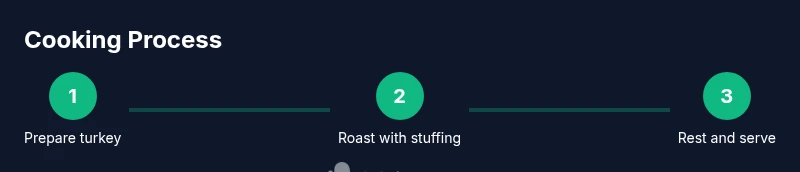
Rest, carve, and serve
Let the turkey rest for 20–30 minutes before carving to redistribute juices. Carve against the grain for tender slices and serve with warm stuffing.
Tip: Keep the carved portions warm with a tent of foil while finishing sides.
Frequently Asked Questions
Can I stuff a turkey the day I roast it?
Yes, you can stuff the turkey, but ensure the stuffing reaches 165°F and plan for longer roasting times. If uncertain, bake stuffing separately.
Yes, you can stuff the turkey, but make sure the stuffing reaches 165 degrees and account for longer roasting times.
Is it safer to bake stuffing separately?
Baking stuffing separately gives you more predictable heating and reduces the risk of undercooked filling. It’s a common approach among home cooks.
Baking stuffing separately can be safer and more predictable for heating through.
What oven temperature should I use for roasting?
Roast at a moderate heat, typically 325–350°F, then adjust based on turkey weight and stuffing method to balance browning and doneness.
Roast at 325 to 350 degrees Fahrenheit, depending on weight and whether you stuff.
How long should the turkey rest after cooking?
Rest the turkey for 20–30 minutes after removing from the oven to redistribute juices and improve slicing.
Rest the turkey for 20 to 30 minutes before carving.
Should I baste the turkey, and when?
Basting is optional; if you choose to baste, do so early in roasting to avoid splashing and heat loss. Basting too often can slow cooking.
Baste sparingly and early; frequent basting can slow cooking.
How can I tell if the stuffing is done safely?
Check that the center of the stuffing reaches 165°F, using a thermometer. If the stuffing is in the bird, verify both meat and stuffing reach safe temperatures.
Make sure the stuffing center hits 165 degrees Fahrenheit.
Watch Video
Key Takeaways
- Plan thawing and stuffing approach in advance
- Use a rack and thermometer for even cooking
- Cook stuffing to a safe temperature of 165°F
- Rest the turkey before carving for juicier slices