How long to bake sweet potatoes: a complete guide
Discover exact bake times for sweet potatoes by size and oven, with doneness tests, cooking tips, and storage guidance for perfect results every time.


Mastering for how long to bake sweet potato across common sizes and ovens, including temperature ranges and doneness tests, helps you consistently achieve tender flesh with fluffy centers and crisp skins. You’ll learn how size and method affect bake times, how to test doneness quickly, and how to adjust for different oven quirks in 2026. This guide also covers practical prep tips and storage ideas.
The science of bake times: heat, moisture, and structure
Inside the potato, starches transform from crystalline to gelatinous as heat migrates through the flesh. This gelatinization creates the creamy interior buyers expect and a skin that sets at the surface. When you bake at a moderate, steady temperature—around 400°F (205°C)—the process proceeds evenly, giving you predictable texture. Higher temperatures can speed browning on the outside while risking dryness inside, especially in larger tubers. Lower temperatures preserve moisture but require longer total time. The practical takeaway is consistency: space tubers on a single layer, preheat thoroughly, and use an oven thermometer to confirm accuracy. According to Bake In Oven, mastering bake times for sweet potatoes starts with recognizing size, temperature, and your oven's quirks. For how long to bake sweet potato, you’ll adjust based on size and method, using a baseline to plan. In practice, you’ll refine timing by keeping notes from your kitchen experiments.
Size matters: small vs large sweet potatoes
Size dramatically influences bake time because heat must reach the center. A small tuber (about 4–5 inches long) will finish sooner than a large one (8–10 inches). When you bake several tubers together, choose a largest size baseline and monitor from there. If you’re aiming for a uniform result, start with potatoes that are similar in size and shape. For standard kitchen ovens, plan roughly 40–50 minutes for small, 45–60 minutes for medium, and 60–75 minutes for large potatoes at around 400°F (205°C) unwrapped. Wrapping in foil reduces surface browning and may extend total time slightly due to steam, while some cooks prefer unwrapped for crisper skins. The goal is to let the steam escape just enough to prevent soggy interiors while keeping the flesh tender.
Doneness tests and texture goals
Doneness is about tenderness and texture as much as it is about interior temperature. The fork test is reliable: a clean, easy slide indicates readiness. If you’re using a thermometer, aim for an internal temperature around 205–210°F (96–99°C). The interior should yield to pressure with a creamy center, not a chalky or crunchy core. Skin texture matters too: unwrapped potatoes should have a gently crisp edge where the skin separates from the flesh. If you wrap them, you’ll trade some skin crispness for moisture retention. In either case, let the potatoes rest for a few minutes before serving to allow juices to settle.
Temperature guidelines and why they change by size
Most home cooks bake sweet potatoes at 400°F (205°C) for a balanced result that blends soft flesh with a pleasing skin. If potatoes are small, you may reduce time by about 5–10 minutes; for extra-large tubers, you might add 10–15 minutes. Some cooks opt for 375°F (190°C) for a longer, gentler bake to maximize uniform texture, especially when baking many tubers at once. The overarching principle is to start with a baseline, then check doneness a few times toward the end of the time window. Oven performance varies, so a thermometer and a simple doneness test are your best tools.
Prep choices: foil-wrapping, pricking, and oiling
Prep decisions alter texture and timing. Prick potatoes with a fork to vent steam and prevent bursting. Wrapping in foil traps moisture and yields a softer skin while slightly increasing total bake time due to steam. Oiling the skin can improve browning and texture, but it’s optional. If you want a crisper skin, skip foil and ensure the potatoes have ample space on the baking sheet. For a consistent result, pat potatoes dry before baking to reduce steam buildup inside the potato skin.
Timing by scenario: single vs batch, oven quirks
When baking a single potato, you’ll likely finish sooner than a batch of several. Still, heat distribution matters: crowded sheets slow down and unevenly heat tubers. If you’re running multiple ovens or have an irregular oven, use a thermometer to verify you’ve reached the desired interior temperature. In 2026, many home ovens hold temperatures reasonably well, but minor fluctuations can alter bake times by 5–15 minutes. Plan for a flexible window and test a potato at the lower end of your range first, then increase if needed.
Resting, serving, and flavor additions
Let baked sweet potatoes rest at room temperature for 5–10 minutes after removing from the oven. Resting helps distribute moisture evenly and makes mashing or slicing easier. Serve with a touch of butter, salt, or a drizzle of olive oil and a sprinkle of cinnamon or nutmeg for warm flavor notes. If you’re meal-prepping, cool, wrap, and refrigerate for up to 4 days; reheat by wrapping and warming in a 350°F (175°C) oven until heated through.
Quick-reference bake-time table
| Size | Unwrapped Bake Temp | Approx. Bake Time | |---|---|---| | Small (4–5 in) | 400°F (205°C) | 40–50 min | | Medium (6–7 in) | 400°F (205°C) | 45–60 min | | Large (8–10 in) | 400°F (205°C) | 60–75 min | | Foil-wrapped | 375–400°F (190–205°C) | 50–90 min variable |
Tip: Start checking at the lower end of the range and use a fork to test tenderness. The times above are guidelines; your oven and potato size will shift them slightly.
Common mistakes and fixes
Overbaking leads to dry interiors; underbaking yields chalky centers. To avoid these, use uniform potato sizes, maintain a consistent oven temperature, and test early during the bake. If you notice uneven doneness, rotate the sheet halfway through and ensure air can circulate around each potato. A simple doneness test with a fork or thermometer eliminates guesswork and helps you achieve reliably creamy interiors with skins that crack with gentle pressure.
Tools & Materials
- Sweet potatoes (medium to large, 1-2 per person)(Choose uniform sizes for even cooking; scrub clean.)
- Oven thermometer(Ensures accurate temperature; ovens can run hot or cool.)
- Rimmed baking sheet(Space potatoes in a single layer; line with parchment for easy cleanup.)
- Aluminum foil (optional)(Wrap for moisture retention and softer skin; expect longer total time.)
- Fork or skewer(Vent steam and test tenderness.)
- Kitchen towel or heat-safe gloves(Handle hot potatoes safely after baking.)
Steps
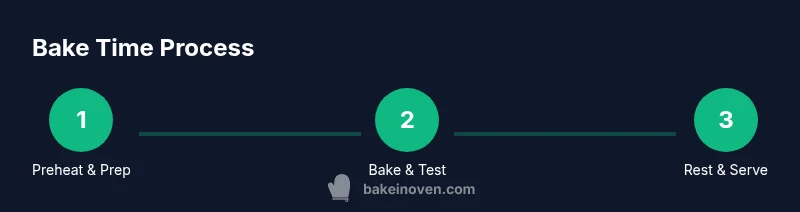
Estimated time: 50-75 minutes
- 1
Preheat and prepare
Preheat your oven to 400°F (205°C). While it heats, scrub the potatoes clean and pat dry. Prick each potato several times with a fork to vent steam and prevent bursting.
Tip: Even small venting helps avoid steam build-up inside the tuber. - 2
Choose size and arrange
Select potatoes of similar size for uniform cooking. Place them on a rimmed baking sheet in a single layer, leaving space between each potato for air circulation.
Tip: If you’re baking multiple tubers, rotate the sheet halfway through for even heat exposure. - 3
Decide on wrap or unwrap
Decide whether to bake unwrapped for crisp skins or wrapped in foil for moister skin and interior. Foil-wrapped will typically require a bit longer time due to trapped steam.
Tip: For crisper skins, skip foil and let surface moisture evaporate on a hot sheet. - 4
Bake and monitor
Bake for the expected window, starting to test at the lower end once the timer edges toward the middle. Use a fork or probe to judge tenderness.
Tip: If several potatoes are very different in size, test the largest potato first and base the rest on that result. - 5
Test doneness and rest
Confirm tenderness with a fork; interior should be creamy, not chalky. Allow a 5–10 minute rest before serving to let moisture redistribute.
Tip: Resting makes it easier to cut and improves texture for mashing. - 6
Serve or store
Serve immediately with toppings or refrigerate for meal prep. Reheat by baking at 350°F (175°C) until heated through, or microwave in short bursts to restore tenderness.
Tip: When reheating, avoid overcooking to prevent drying out the interior.
Frequently Asked Questions
What is the best oven temperature for baking sweet potatoes?
A common temperature is 400°F (205°C) for a balanced interior and skin. Adjust by potato size and batch; check tenderness toward the end.
Bake at about four hundred degrees Fahrenheit for a balanced result, checking tenderness near the end.
How long do small sweet potatoes take to bake?
Small potatoes typically finish in roughly 40–50 minutes at 400°F (205°C), unwrapped. Start checking around 35 minutes if they’re notably small.
Small potatoes usually bake in about forty to fifty minutes at four hundred degrees.
Can I bake sweet potatoes ahead of time and reheat?
Yes. Bake them, cool, and refrigerate for up to 4 days. Reheat in a 350°F (175°C) oven until hot, or microwave in short intervals to preserve texture.
You can bake ahead; reheat in a moderate oven or quick microwave to restore texture.
Should I wrap sweet potatoes in foil?
Foil wraps retain moisture and yield softer skins, but they add time and reduce crispness. For crisper skins, bake unwrapped on a hot sheet.
Foil makes skins softer; skip foil if you want crisper skins.
Why is my sweet potato still hard after baking?
The potato may be oversized, your oven temperature inaccurate, or it was undercooked. Verify with a thermometer and test a larger tuber for reference.
If it’s still hard, you may need more time or a larger tuber.
Can I freeze baked sweet potatoes?
Yes. Store baked potatoes in airtight containers or wrap tightly. They keep well for several months in the freezer; thaw before reheating.
You can freeze baked sweet potatoes and reheat later.
Watch Video
Key Takeaways
- Bake time depends on potato size and oven precision.
- Test tenderness with a fork or thermometer for best results.
- Foil-wrapping changes texture and total time; unwrap for crisper skins.
- Allow a short rest before serving to seal in moisture.