Healthy Banana Bread: A Complete How-To Guide
Learn to bake healthy banana bread that stays moist and flavorful with whole-grain flours, reduced sugar, and smart swaps. This guide covers ingredients, substitutions, mixing, baking, and storage for everyday baking success.


In this guide, you will learn how to bake healthy banana bread that stays moist, flavorful, and lower in added sugar. You’ll swap refined flour for whole-grain or almond-based options, use mashed ripe bananas for sweetness, and reduce butter or oil with applesauce or yogurt. The steps cover choosing ingredients, mixing without overworking, and baking at a steady temperature until a toothpick comes out clean. Ready to bake a better banana loaf?
Why Healthy Banana Bread Matters
Banana bread is a beloved snack across households, but many classic versions lean on refined flour and a heavy amount of sugar. The Bake In Oven team has found that thoughtful substitutions can dramatically improve texture, fiber, and overall nutrition without sacrificing flavor. By prioritizing whole-grain flours, ripe bananas for natural sweetness, and mindful fat choices, you get a loaf that satisfies cravings and supports steady energy levels. This section explains why these changes matter for everyday baking and family-friendly treats.
Choosing healthier ingredients does not mean compromising on moisture or crumb. The right balance of starches, liquids, and gentle handling preserves the tenderness you expect from banana bread while boosting nutritional value. It also opens the door to customization—experiment with add-ins like nuts, seeds, or spices to tailor the loaf to your tastes. Bake In Oven’s guidance emphasizes practicality: simple swaps, accessible pantry staples, and reliable results in a real home kitchen.
Ingredient Substitutions for Healthier Banana Bread
Healthy banana bread starts with smart ingredient choices. Whole-grain flours such as whole-wheat or oat flour increase fiber and help you feel fuller longer, while almond or oat-based blends can reduce gluten intensity and add a gentle nutty flavor. Bananas themselves provide sweetness, moisture, and natural binding, so very ripe fruit is a key asset. For fat, consider yogurt or applesauce instead of all butter or oil, or mix in a portion of mashed avocado for creaminess. If you miss a touch of richness, a small amount of olive oil or melted coconut oil can be included, but keep portions modest to maintain a light crumb. For sweetness without excess sugar, drop-in a spoon of maple syrup or honey, or rely on ripe fruit and vanilla to carry flavor. Bake In Oven analysis highlights that reducing added sugar while preserving moisture is entirely achievable with balanced ratios of flour, banana, and dairy-free options.
Sugar, Fat, and Moisture: Balancing Macros
A healthy version of banana bread balances moisture and crumb through smart macro choices. Reducing refined sugar while leveraging the banana’s natural sweetness keeps the loaf tender without a syrup overdose. Fat contributes to crumb and shelf-life; swap part of the butter with yogurt or applesauce, then add a splash of a mild oil if needed to prevent dryness. Liquid ratios matter: too much liquid can make a dense loaf, while too little can dry it out. A classic guideline is to maintain a batter that’s thick but still pourable, ensuring gaps in the crumb for a tender bite. This balance also helps with stability during slicing, reducing crumbling and crumbly edges.
Bake In Oven stresses that fiber-rich flours can alter moisture absorption, so you may need slight adjustments. Start with a 1:1 or 1:1.25 ratio of flour to banana, then tweak with yogurt or milk to reach the desired consistency. Small pinch of salt and a kiss of vanilla can enhance sweetness perception without increasing sugars.
Choosing Flours: Whole-Grain, Gluten-Free, and More
Flour choice dramatically shapes texture and nutritional profile. Whole-grain flours add fiber and a hearty crumb, while almond or coconut flours introduce warmth and nutty flavors with lower carbohydrate density. If gluten is a concern, use a gluten-free blend that includes xanthan or guar gum to mimic structure. Tip: start with a 1:3 substitution (gluten-free blend to all-purpose substitute) and adjust with additional binding agents if needed. Ground oats (oat flour) offer a familiar, mild taste and good moisture retention. The goal is to preserve a light, even crumb while boosting fiber and protein. Bake In Oven recommends testing a small batch when trying a new flour mix to learn your oven’s behavior and moisture needs.
Banana Ripeness and Flavor: Getting the Most Sweetness
Ripe bananas with dark spots are not just sweeter; they’re also softer and easier to mash, which helps develop a smoother batter. If your bananas are under-ripe, let them sit in a warm spot for a day or two or roast them briefly to speed sweetness. Bananas contribute moisture and binding; when they’re very ripe, you can reduce added fat and sugar without sacrificing texture. A quick trick: blend bananas with a splash of milk or yogurt to improve mix-ability and keep the batter uniform. This step also helps distribute banana flavor evenly, avoiding pockets of underdeveloped sweetness in the loaf.
Mixing Techniques: Beat Just Enough, Not Too Much
Overmixing is a common culprit of dense banana bread. Gently whisk wet ingredients until combined, then fold dry ingredients until just incorporated. A few small lumps are normal and desirable—they indicate a tender crumb. If you overwork the batter, gluten strands tighten, resulting in a tougher slice. The method is especially important when using alternative flours that absorb liquids more quickly. Use a scrapers or folding motions and avoid aggressive mixing. This approach yields a moist, uniform crumb with a pleasant bite.
Bake Time and Temperature: Consistent Results
Most healthy banana bread bakes well at 350°F (175°C) in a standard loaf pan. Bake for about 45-60 minutes, checking doneness with a toothpick: it should emerge with a few moist crumbs but no wet batter. If you use a larger or smaller pan, adjust time accordingly and cover the top with foil if it browns too quickly. For a moister loaf, consider adding a touch of yogurt or applesauce to the batter; for a firmer slice, bake a few minutes longer. Let the loaf rest in the pan for 10-15 minutes before transferring to a rack to cool completely. Temperature stability and pan choice can drastically affect crumb and moistness, so note your oven’s quirks and adjust in future batches.
Add-Ins and Variations: Nuts, Seeds, and Flavor Boosters
Add-ins provide texture and nutrition, from toasted walnuts or pecans to chia seeds, flax, or chocolate chips. If you’re watching sugar, use dark chocolate chips sparingly or choose cacao nibs for a less sweet bite. Consider spices like cinnamon, nutmeg, or cardamom for warmth. For a protein boost, mix in a spoonful of Greek yogurt or a protein powder that bakes well. Fresh blueberries or grated zucchini can add moisture and flavor, but these options may require slight moisture adjustments. The goal is to enhance flavor without compromising crumb or moisture.
How to Store and Reheat
Proper storage preserves moisture and flavor. Wrap the cooled loaf tightly in plastic wrap or place in an airtight container at room temperature for up to 3 days. For longer storage, freeze sliced portions in a freezer-safe bag or container for up to 3 months. Thaw at room temperature or warm gently in the microwave with a damp paper towel to restore softness. Reheating improves aroma and warmth, making the loaf feel freshly baked. Avoid refrigerating, which can accelerate staling. A properly stored healthy banana bread retains moisture and flavor longer than many conventional versions.
Tools & Materials
- 8x4 inch loaf pan(Lightly grease or line with parchment for easy removal)
- Mixing bowls(Small and medium bowls for wet and dry ingredients)
- Measuring cups and spoons(For accurate dry and liquid ingredients)
- Masher or fork(Mash ripe bananas smoothly)
- Whisk(Blend wet ingredients evenly)
- Silicone spatula(Scrape batter from bowl without waste)
- Bananas(About 3 medium, very ripe)
- Optional add-ins(Nuts, chocolate chips, or seeds)
Steps
Estimated time: 60-75 minutes
- 1
Preheat and prepare pan
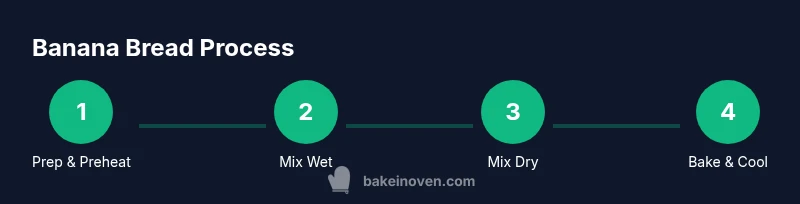
Preheat the oven to 350°F (175°C). Lightly grease the loaf pan or line it with parchment. This ensures the loaf releases cleanly and slices neatly.
Tip: Preheating ensures the batter hits a steady heat, aiding a consistent rise. - 2
Mash ripe bananas
Mash the bananas until mostly smooth with a few small lumps for texture. The natural sugars will help sweeten the batter, reducing the need for added sugar.
Tip: Over-mashing can make the batter too runny; keep some texture for moisture and crumb. - 3
Whisk wet ingredients
In a separate bowl, whisk together mashed bananas, yogurt or milk, eggs, and vanilla until uniformly combined.
Tip: Room-temperature ingredients mix more evenly and prevent curdling. - 4
Whisk dry ingredients
In another bowl, whisk flour, baking soda, salt, and spices. This ensures even distribution of leavening and flavor.
Tip: Sift if using whole-grain flours to reduce clumps and improve texture. - 5
Combine wet and dry
Fold the dry mixture into the wet ingredients just until moistened. A few streaks of flour are okay—overmixing tightens the crumb.
Tip: Use a gentle folding motion and stop as soon as batter comes together. - 6
Fold in add-ins
If using nuts or chips, fold them in now to distribute evenly without overworking the batter.
Tip: Toast nuts beforehand for extra aroma and crunch. - 7
Bake and check doneness
Pour batter into the prepared pan and bake 45-60 minutes, or until a toothpick comes out with a few moist crumbs.
Tip: If the top browns too quickly, tent with foil after 25-30 minutes. - 8
Cool in pan, then transfer
Let the loaf cool in the pan for 10-15 minutes, then lift out onto a rack to finish cooling.
Tip: Cooling helps set the crumb and prevents slicing crumbly pieces. - 9
Slice and store
Slice once cooled and store in an airtight container at room temperature for 2-3 days, or refrigerate/freeze for longer.
Tip: Freeze individual slices for quick breakfasts or snacks.
Frequently Asked Questions
What makes banana bread 'healthy'?
Healthier banana bread emphasizes fiber-rich flours, natural sweetness from ripe bananas, and lighter fats or dairy-free swaps. It also reduces added sugars while preserving moisture and crumb. Small, practical substitutions can keep flavor high and calories lower.
Healthy banana bread focuses on fiber, natural sweetness, and mindful fats to keep flavor and moisture while reducing added sugars.
Can I make this gluten-free?
Yes. Use a gluten-free flour blend designed for baking, and consider adding a binder like xanthan or guar gum if your blend lacks it. Monitor moisture because some GF flours absorb more liquid, and adjust with yogurt or milk as needed.
Absolutely. Choose a gluten-free blend with a binder and adjust moisture as needed.
Can I freeze the batter or loaf?
Both are possible. Freeze batter in a freezer-safe container before baking, or freeze baked slices for quick breakfasts. Thaw overnight in the fridge or reheat gently to restore moisture.
You can freeze batter before baking or freeze slices for quick meals after thawing.
What pan size should I use?
A standard 8x4 inch loaf pan works well. If you use a larger pan, expect a thinner loaf and shorter bake time; adjust accordingly and check with a toothpick.
Standard 8x4 inch loaf pan is ideal; larger pans need shorter bake times.
How ripe should the bananas be?
Very ripe bananas with brown spots deliver the best flavor and moisture. If not available, roast under their skins to deepen sweetness before mashing.
Very ripe bananas with brown spots are best for flavor and moisture.
Can I add chocolate chips?
You can. Use dark or semi-sweet chips and add sparingly to keep sugar in check. They enhance flavor but slightly increase sweetness and calories.
Chocolate chips are fine in moderation; use dark chips for a healthier note.
Watch Video
Key Takeaways
- Choose bananas that are very ripe for sweetness and moisture.
- Balance flour choice with mindful sugar and fat substitutions.
- Avoid overmixing to keep a tender, moist crumb.
- Bake at a steady 350°F and check doneness with a toothpick.
- Store properly to maintain freshness and texture.