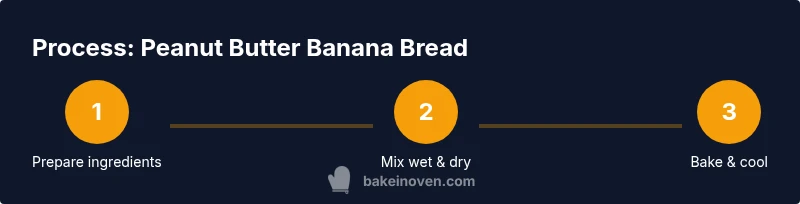
Peanut Butter Banana Bread: A Complete How-To Guide
Learn to bake a moist, flavorful peanut butter banana bread with practical tips, substitutions, and a step-by-step approach from Bake In Oven. Perfect for bakers seeking reliable, kitchen-tested guidance.


You will learn to bake a moist, flavorful peanut butter banana bread with a reliable batter ratio, pan prep, and tested bake times. This guide covers mixing order, wet/dry ingredients, optional add-ins, and storage tips to keep slices tender. Whether you bake on weekends or weekdays, the approach adapts to different pan sizes and mix-ins.
Why peanut butter banana bread shines in home kitchens
The combination of ripe bananas, creamy peanut butter, and a soft, tender crumb makes peanut butter banana bread a perennial favorite for home bakers. The natural sweetness from bananas, coupled with the nutty richness of peanut butter, creates a flavor profile that is comforting and versatile. In this guide, you’ll learn proven methods to maximize moisture, balance sweetness, and achieve a slice with a light, airy crumb. According to Bake In Oven, using very ripe bananas elevates both aroma and moisture, while a smooth peanut butter adds a reliable, uniform texture. When you bake this loaf, you’re not just making a dessert; you’re creating a dependable snack that holds up to toasting, freezing, and even breakfast prep. The peanut butter banana bread you’ll make with these steps is designed for consistent results—crisp edges, soft center, and a finish that remains moist without being greasy.
Flavor and texture science: what makes it moist and flavorful
Banana bread thrives on a balance between sweetness, fat, and moisture. Ripe bananas supply natural sugars and liquid that hydrate the batter, while peanut butter contributes fat and a creamy mouthfeel. The crumb relies on a gentle balance of leavening and flour structure; too much mixing or too much flour yields a dense loaf, while under-mixing can leave bursts of flour. Brown sugar adds a hint of caramel, and vanilla enhances depth. Bake In Oven analysis shows that using a combination of mashed bananas and a touch of oil or melted butter consistently yields a moister crumb with a slightly richer aroma. Keeping your wet ingredients at room temperature helps them blend evenly with the dry components, preventing pockets of dryness that can lead to uneven slices.
Ingredient checklist and substitutions
Core ingredients for peanut butter banana bread include ripe bananas, peanut butter, flour, sugar, eggs, and a leavening agent. For a dairy-free version, substitute melted coconut oil or light vegetable oil for butter and use plant-based milk. If you prefer a gluten-free loaf, try a 1:1 gluten-free flour blend and add a bit more mashed banana to compensate for moisture loss. You can also adjust sweetness by moderating the sugar or adding a tablespoon of honey or maple syrup. For a richer flavor, swirl a few tablespoons of peanut butter into the batter just before baking, or fold in dark chocolate chips for a café-style treat. The goal is to keep the batter cohesive enough to hold its shape while staying wonderfully moist.
Tools and workspace: setting up for success
A well-organized station speeds up the bake and reduces mistakes. You’ll want two bowls for wet and dry ingredients, a whisk, a spatula, measuring cups and spoons, a loaf pan lined with parchment or greased, and a cooling rack. Keeping ingredients pre-measured and at hand prevents overmixing and helps you track bake time precisely. Clear, flat surfaces around the workspace also aid in even batter distribution and safer handling of hot pans. This setup is part of what Bake In Oven emphasizes for reliable, kitchen-tested results.
The core batter: ratios and mixing order
A successful peanut butter banana bread relies on balanced wet and dry ratios and a careful mixing order. Start by mashing the bananas and whisking eggs with peanut butter, oil or melted butter, and vanilla. In a separate bowl, combine flour, sugar, baking soda, and salt. Gently fold the dry ingredients into the wet mixture until just combined; overmixing can lead to a dense loaf. If you choose to include chocolate chips, fold them in after the batter comes together. The batter should be thick but pourable, and it should hold its shape in the pan without slumping too much. This approach helps ensure a consistent crumb and even rise.
Troubleshooting common issues
Even experienced bakers encounter hiccups with peanut butter banana bread. If the loaf sinks in the center, check for overbaking or overly wet batter from bananas that are too ripe. A crumb that is too dry often signals too much flour or insufficient fat; adjust by adding a small amount of banana puree or a splash of milk. If the crust is too dark before the center is set, tent the loaf with foil and extend the bake time in smaller increments. Proper room-temperature ingredients and accurate measurements help prevent most issues. Remember to cool the loaf in the pan briefly before transferring to a rack to finish firming up.
Variations and add-ins
Peanut butter banana bread welcomes a variety of add-ins and substitutions. Stir in chopped dark chocolate, chopped peanuts, or toasted oats for texture. For a healthier twist, substitute half the flour with whole-wheat or almond flour and add extra mashed banana to maintain moisture. Swirls of extra peanut butter or a ribbon of cinnamon-infused sugar can elevate the flavor profile. For dairy-free bakers, ensure the peanut butter is unsweetened and the milk alternative is fortified for better texture. The result is a flexible recipe that adapts to your pantry and taste preferences.
Storing, freezing, and reheating
Proper storage keeps peanut butter banana bread fresh longer. Wrap slices or whole loaves tightly in plastic wrap or store in an airtight container at room temperature for up to 3 days. For longer storage, freeze slices individually or as a whole loaf, wrapped well in foil and placed in a freezer-safe bag. Thaw at room temperature or warm briefly in a toaster oven to restore softness. Reheating tends to revive moisture and aromas, especially when a dab of butter is added while reheating. This makes peanut butter banana bread a convenient make-ahead option for busy weeks.
Serving ideas and presentation
Serve peanut butter banana bread warm with a pat of butter, cream cheese, or a drizzle of honey for added richness. It pairs well with coffee or milk and can be a comforting breakfast or afternoon snack. For a more festive presentation, dust with powdered sugar or top with a thin peanut butter glaze. If you prefer a lighter option, slice the loaf and serve with fresh fruit on the side. The versatility of this loaf makes it a staple that’s suitable for casual gatherings or weekday treats.
Tools & Materials
- All-purpose flour(About 1 3/4 cups (220 g) or your preferred gluten-free blend)
- Ripe bananas(2 large; mash well)
- Creamy peanut butter(Smooth texture preferred)
- Granulated sugar(Adjust to taste)
- Brown sugar (optional)(Adds moisture and caramel notes)
- Eggs(Room temperature)
- Melted butter or neutral oil(Coats flour for tenderness)
- Milk or yogurt (optional)(Use dairy or plant-based; adjust moisture)
- Baking soda(Leavening agent)
- Salt(Balances sweetness)
- Vanilla extract(Enhances depth)
- Chocolate chips or chopped nuts (optional)(Adds texture)
- Loaf pan(9x5 inch recommended)
- Parchment paper or nonstick spray(Prevent sticking)
- Mixing bowls(Two bowls recommended)
- Whisk(For smooth wet mix)
- Spatula(Scrape bowl clean)
Steps
Estimated time: Total time: 60-75 minutes
- 1
Preheat and prep
Preheat the oven to 350°F (175°C). Line a 9x5-inch loaf pan with parchment or lightly grease it to ensure easy release. This step ensures even baking and prevents sticking.
Tip: Preheating early helps avoid cold batter meeting a cold pan. - 2
Measure and prep ingredients
Measure all dry ingredients and whisk them together in one bowl. In a separate bowl, mash bananas and whisk eggs, peanut butter, and fat until smooth.
Tip: Temperature matters: room-temperature eggs and peanut butter blend more evenly. - 3
Combine dry ingredients
Sift or whisk flour, baking soda, and salt to aerate and remove lumps. This prevents dense lumps in the final loaf.
Tip: Avoid over-sifting; a few small lumps are okay. - 4
Mix wet and dry just until combined
Pour dry ingredients into the wet mixture and fold gently until the batter comes together. Stop as soon as you see no dry streaks to keep the crumb light.
Tip: Overmixing develops gluten and can make the loaf dense. - 5
Add-ins and swirls
If using chocolate chips or nuts, fold them in now or create a peanut butter swirl by dropping spoonfuls into the batter and running a knife through for marbling.
Tip: Swirling preserves the peanut butter flavor without overpowering banana notes. - 6
Bake and monitor
Pour the batter into the prepared pan and bake 55-65 minutes, until a toothpick inserted into the center comes out with a few moist crumbs. Avoid opening the door frequently.
Tip: If the loaf browns too quickly, tent with foil after 40 minutes. - 7
Cool in pan, then finish cooling
Let the loaf cool in the pan for 10-15 minutes, then transfer to a wire rack to cool completely before slicing.
Tip: Cool completely to set the crumb for clean slices. - 8
Slice and store
Slice once cooled and store in an airtight container. Refrigeration extends freshness for up to a week; freezing preserves for longer.
Tip: Slice before freezing for convenient, grab-and-go portions.
Frequently Asked Questions
Can I make this recipe dairy-free?
Yes. Use plant-based milk and melted oil or dairy-free butter in place of dairy milk and butter. Ensure any added peanut butter is dairy-free. The texture remains tender with proper moisture from bananas.
Yes. You can make this dairy-free by using plant-based milk and dairy-free butter, keeping the texture soft with the banana moisture.
Can I freeze peanut butter banana bread?
Absolutely. Wrap cooled slices tightly in plastic wrap and place in a freezer bag. Freeze for up to 3 months. Thaw at room temperature or warm gently to restore softness.
Yes, freeze slices in plastic wrap and a bag; thaw when ready to eat.
Can I substitute almond butter or other nut butters?
You can substitute almond butter or another nut butter, but this will slightly alter flavor and texture. Start with a 1:1 swap and adjust sweetness if needed.
Yes, you can swap in almond butter, but note the flavor changes a bit.
What pan size yields the best crumb?
A standard 9x5 loaf pan produces a classic crumb. If using a larger pan, the bake time will shorten; a smaller pan will require longer baking. Always test for doneness with a toothpick.
A 9x5 loaf pan is ideal; different sizes change bake time, so test doneness.
How can I tell when it’s done without a thermometer?
Insert a toothpick into the center; it should come out with a few moist crumbs, not wet batter. The loaf will feel set to the touch and lightly spring back when touched.
Use a toothpick test; it should have a few moist crumbs, not wet batter.
Why is the loaf dense or heavy sometimes?
Too much flour, not enough fat, or overmixing can create a dense texture. Measure flour accurately, include enough peanut butter for moisture, and mix only until combined.
Too much flour or overmixing often makes it dense; measure carefully and mix gently.
Watch Video
Key Takeaways
- Use ripe bananas for enhanced flavor and moisture.
- Mix wet and dry ingredients only until combined to keep the loaf light.
- Bake at 350°F and check with a toothpick for doneness.
- Cool completely before slicing to preserve crumbs.
- Experiment with add-ins for personalized flavor.