How Long to Bake a Pork Chop at 350°F: A Complete Guide
Learn how long to bake a pork chop at 350°F for juicy, safe results. This guide covers bone-in vs boneless cuts, thickness, searing options, resting, and safe internal temperatures with practical tips.


By baking a pork chop at 350°F, you’ll achieve juicy, safe results with a simple routine. Start with pat-drying, seasoning, and optionally searing, then bake until the internal temperature reaches about 145°F (63°C) and rest. Boneless chops typically bake in 14–20 minutes; bone-in chops require about 20–30 minutes depending on thickness.
Why 350°F is a solid bake temperature for pork chops
For home cooks, 350°F (175°C) represents a reliable middle ground between speed and-moisture retention. Baking at this temperature promotes even cooking throughout the muscle fibers, reduces the risk of scorching before the center is done, and keeps the surface from drying out too quickly. According to Bake In Oven analysis, starting with a good pat-dry and a modest coating of oil or seasoning helps create a light, even crust without heavy browning. Uncooked moisture is the enemy of juiciness, so keeping the surface dry before it hits the heat is a smart move for pork chops. Whether you’re working with boneless or bone-in chops, 350°F gives you predictability even in a busy weeknight kitchen.
Bone-in vs boneless: choosing the right cut and how it affects bake time
The choice between bone-in and boneless pork chops matters for both flavor and total bake time. Bone-in chops tend to stay juicier and can take a few extra minutes to reach the safe internal temperature because the bone conducts heat differently. Boneless chops cook a bit faster and can become dry if overcooked. If you’re aiming for a quick weeknight dinner, boneless chops baked at 350°F are a reliable option. For a more forgiving, moist result, consider bone-in chops and plan on a few extra minutes in the oven. Always measure internal temperature rather than relying solely on time.
Thickness, starting temperature, and how to estimate bake time
Thickness is the biggest driver of bake time. A typical 1-inch pork chop will cook faster than a 1.5-inch chop. If chops come straight from the fridge, they’ll need a few extra minutes to come up to temperature. A general guideline is to bake until the center reads about 145°F (63°C) for safety and juiciness, then rest to allow carryover cooking to finish the job. If you’re starting from frozen, do not expect the same timing—thawing first is highly recommended for even cooking.
Searing vs not searing: how it changes texture and time
Searing before baking creates a flavorful crust and can reduce overall cooking time by helping to seal in juices. A quick 1–2 minute sear per side in a hot skillet (with a little oil) is enough for a nice crust, then transfer to a 350°F oven to finish. If you prefer not to sear, you can place seasoned chops directly on a sheet pan and bake; results will be lighter in crust but still tender if you avoid overcooking.
The bake-and-check method: using a thermometer for perfect results
Rely on an instant-read meat thermometer for accuracy. Insert the probe into the thickest part of the chop, avoiding contact with bone. Target an internal temperature of 145°F (63°C) and remove the chops from the oven a few degrees early, since carryover heat will raise the final temp. Resting the meat for 3–5 minutes after removal keeps juices redistributed and makes for a juicier bite.
Resting and serving for juicier pork
Rest time is critical. While the thermometer signals doneness, the resting period lets muscle fibers reabsorb juices. Tent the chops loosely with foil to keep them warm and avoid sweating off moisture. Serve with simple sides like roasted vegetables, mashed potatoes, or a bright herb salad to balance the richness.
Common mistakes and how to fix them
Common pitfalls include cooking too long, using cold chops, and crowding the pan. Let air circulate around each chop on the baking sheet, and avoid stacking. If your oven runs hot, use an oven thermometer to verify the actual temperature. If the center seems underdone, cover loosely and continue to bake in short increments to avoid overcooking the surface.
Flavor boosters: brines, marinades, and rubs
A light brine or a quick dry rub can elevate pork chops baked at 350°F. For a simple rub, mix salt, pepper, garlic powder, and a pinch of paprika. Brine by soaking in a 1/4 cup salt per quart of water for 15–30 minutes before cooking to increase juiciness and flavor retention.
Troubleshooting: oven performance and timing adjustments
If your oven tends to cook unevenly, rotate the pan halfway through baking and consider using convection if your oven supports it. Thicker chops will need longer, while very thin chops may finish sooner. Always verify doneness with a thermometer rather than relying solely on time, and adjust next time based on your oven’s actual performance.
Tools & Materials
- Oven(Preheat to 350°F before starting)
- Sheet pan(Line with parchment for easy cleanup)
- Meat thermometer(Digital preferred; insert into thickest part)
- Tongs(For flipping chops safely)
- Oil or cooking spray(Light coat to prevent sticking and aid crust)
- Salt and pepper or preferred rub(Season generously but evenly)
- Aluminum foil or tented foil(For resting and heat retention)
- Optional skillet(For searing before baking)
Steps
Estimated time: 30-60 minutes
- 1
Preheat and prep chops
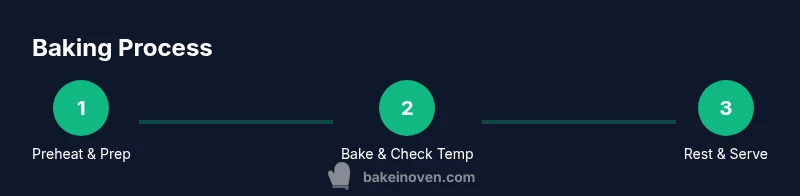
Preheat your oven to 350°F. While it heats, pat chops dry with paper towels to remove surface moisture, which helps form a better crust. Lightly oil the surface or rub with a thin layer of olive oil, then season with salt, pepper, and optional spices. This step ensures even cooking and flavor.
Tip: Dry surface and oil help crust formation and even browning. - 2
Season chops and decide on sear
Season both sides of the pork chops uniformly. If you like a crusty exterior, heat a skillet with a small amount of oil over medium-high heat and sear each side for 1–2 minutes before baking. If you skip searing, place seasoned chops directly on the prepared sheet pan.
Tip: Searing is optional but adds color and depth of flavor. - 3
Arrange on sheet pan for even heat
Place chops on the sheet pan with space between each piece so air can circulate. If using bone-in chops, place them bone-side down for more even heat transfer. Ensure the thickest part is toward the center of the pan to avoid over or undercooking edges.
Tip: Give each chop room; crowding slows heat transfer. - 4
Bake until target temperature
Bake in the 350°F oven until the thickest part reaches 145°F (63°C). Start checking at the lower end of the time range for thinner chops, and extend for thicker cuts. Carryover heat will raise the final temp after removing from the oven.
Tip: Use a thermometer, not time alone, for accuracy. - 5
Rest before serving
Remove chops from oven and tent loosely with foil for 3–5 minutes. Resting redistributes juices, improving tenderness and juiciness. Slice and serve with your favorite sides.
Tip: Rest = juicier chops and better texture. - 6
Evaluate and adjust next time
Note how the chops look, feel, and taste. If they finish too quickly or too slowly, adjust bake time by 2–3 minutes for future batches based on thickness and your oven behavior.
Tip: Keep a simple bake log for consistency.
Frequently Asked Questions
What is the recommended internal temperature for pork chops?
The recommended safe internal temperature is 145°F (63°C) with a 3-minute rest. Using a thermometer ensures accuracy and juiciness.
Cook pork chops to 145°F and rest for juice retention.
Do I need to preheat the oven before cooking?
Yes. Preheating to 350°F ensures even heat distribution from the moment the chops go in, helping to prevent uneven cooking.
Preheat to 350°F before placing chops in the oven.
How does thickness affect bake time?
Thicker chops take longer to reach 145°F. As a rule, plan 14–20 minutes for 1-inch boneless cuts and add several minutes for thicker, bone-in chops.
Thicker chops need more time; thinner ones finish sooner.
Can I bake frozen pork chops at 350°F?
It’s best to thaw pork chops before baking for even cooking. Frozen chops take much longer and may cook unevenly.
Thaw before baking for best results.
Is searing mandatory before baking?
Searing is optional. It adds crust and flavor but isn’t required if you’re aiming for a simpler, pull-out-and-bake method.
Searing isn’t required, but it enhances crust and flavor.
How can I tell boneless from bone-in at a glance?
Boneless chops look uniform in shape and have no visible bone; bone-in chops show a rib bone along the edge and may be slightly thicker near the bone.
Boneless is uniform; bone-in shows a bone edge.
Watch Video
Key Takeaways
- Bake at 350°F for predictable results
- Use a thermometer to hit 145°F and rest 3–5 minutes
- Boneless cooks faster; bone-in may take longer
- Searing is optional but adds crust and flavor