How to Bake Carrot: A Complete Oven-Roasting Guide
Learn to oven-roast carrots with a reliable, step-by-step method. This Bake In Oven guide covers prep, heat, timing, flavors, and troubleshooting for perfect, vibrant, caramelized carrots every time.


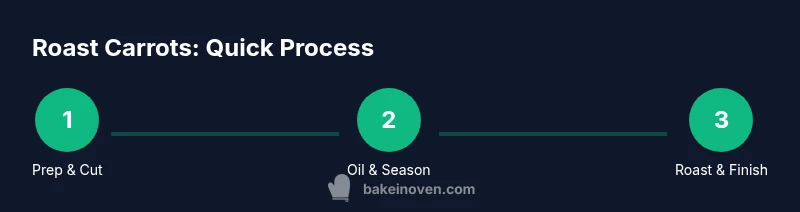
This quick guide shows you how to bake carrot by roasting carrots in the oven for caramelized flavor and tender texture. You’ll prep clean, evenly cut carrots, toss with oil and seasonings, then roast at a high temperature until fork-tender. Follow the steps for consistent, delicious results in under 30 minutes.
Why oven-roasting carrots elevates flavor
If you're exploring how to bake carrot, roasting in the oven is a simple, dependable method to unlock sweetness and deepen flavor without extra fats. Oven-roasting concentrates natural sugars, leading to caramelized edges and a tender center that steaming or boiling rarely achieves. According to Bake In Oven, the magic happens when heat is applied evenly and the carrots are cut uniformly so all pieces caramelize at about the same rate. This approach preserves vivid color, enhances aroma, and builds a shallow, glossy surface that invites fork-tender bites. For home bakers, the technique is forgiving: start with decent-quality carrots, space them on a sheet pan, and allow a few minutes for browning without burning. The end result is a versatile side dish that pairs with greens, grains, or roasted proteins, and it proves you don’t need fancy equipment to achieve restaurant-worthy flavor.
Choosing and preparing carrots
Choosing the right carrots sets the stage for perfect oven roasting. Look for firm, bright-orange roots with smooth skin and no soft spots. If available, select uniform thickness to ensure even cooking; if not, trim longer pieces to match shorter ones. Wash thoroughly to remove dirt, then trim the ends. Peeling is optional; many cooks scrub and roast with skins on for extra texture and nutrients. The goal is even pieces—whether you cut them into thick batons or coin shapes—so they roast evenly rather than turning chewy on the inside and scorched on the outside. When in doubt, choose carrots of a similar diameter to achieve consistent results.
Tools and ingredients essentials
To bake carrot successfully, assemble a short, reliable toolkit: a rimmed baking sheet, parchment paper or a silicone mat, a sharp chef's knife, a sturdy cutting board, a mixing bowl, and measuring spoons. You’ll need a neutral oil with a high smoke point (like canola or grapeseed), coarse salt, and freshly ground black pepper. Optional add-ins include garlic, dried herbs, honey or maple syrup for a touch of sweetness, or citrus zest for brightness. An oven thermometer helps ensure your oven runs close to the set temperature, which matters for even browning. Having these essentials ready keeps the process smooth and reproducible.
Step-by-step roasting technique
Roasting carrots is a rhythm of prep, heat, and monitoring. Start by preheating the oven to a hot, steady temperature (commonly 425°F/220°C). Cut carrots into uniform shapes, toss with oil and seasonings, and spread in a single layer on a lined sheet pan. Avoid overcrowding; air should circulate so edges caramelize rather than steam. Roast, then flip halfway to promote even browning. The exterior should turn golden-brown with crisp edges while the centers stay tender. Times vary with thickness, but plan for roughly 20–30 minutes total and test with a fork. If needed, give them a few more minutes to reach desired tenderness.
Flavor ideas and variations
Carrot roasting shines with simple flavor boosters. Try a classic mix of olive oil, sea salt, and cracked pepper, then add fresh thyme or rosemary for earthiness. A touch of honey or maple syrup elevates natural sweetness, while a pinch of cumin, smoked paprika, or coriander adds warmth and depth. For brightness, finish with lemon zest or a splash of orange juice. If you want a savory profile, toss in smashed garlic cloves before roasting. These variations let you tailor the dish to roast-friendly sides like roasted chicken, quinoa, or a green salad.
Common issues and fixes
If carrots burn quickly, reduce heat by 25°F/15°C or move the pan to a lower rack. Crowding the sheet pan leads to steaming rather than roasting; use two pans or a larger sheet. If the centers stay hard, cut pieces smaller or give them a few extra minutes. Underdone carrots look pale and feel stiff, so confirm tenderness with a fork. For uneven color, ensure even thickness and avoid flipping only at the end. Finally, if edge browning is uneven, rotate the pan mid-roast to promote uniform heat exposure.
Serving, storage, and reheating
Serve roasted carrots immediately for best texture and flavor, though they store well. Cool completely, then transfer to an airtight container in the fridge for up to 4 days. Reheat in a hot oven (or toaster oven) for about 5–8 minutes to restore surface crispness. You can also use leftovers in grain bowls, salads, or as a base for a carrot-forward side dish. If you want to extend their life, puree roasted carrots into a velvety soup or fold into a creamy dip after reheating.
Authority Sources
For further reading and formal guidance on vegetables and roasting, you can consult reputable sources such as the U.S. Department of Agriculture (https://www.usda.gov/), the Harvard T.H. Chan School of Public Health Nutrition Source (https://www.hsph.harvard.edu/nutritionsource/vegetables/), and general food safety guidance from the U.S. Food and Drug Administration (https://www.fda.gov/food). These resources support the craft of roasting carrots with science-backed principles and safety considerations.
Tools & Materials
- Sharp chef's knife(For trimming and cutting carrots into uniform pieces)
- Paring knife(Detail work and trimming small pieces)
- Baking sheet (rimmed)(Stable surface; prevents juices from spilling)
- Parchment paper or silicone mat(Eases cleanup and prevents sticking)
- Large mixing bowl(Toss carrots with oil and seasonings)
- Measuring spoons(Accurate salt, herbs, and sweeteners)
- Oven thermometer(Verify oven temperature)
- Tongs or a silicone spatula(Turn carrots without breaking them)
- Peeler (optional)(Peel skins for a smoother texture)
Steps
Estimated time: 30-40 minutes
- 1
Preheat oven and prep workspace
Begin by preheating your oven to 425°F (220°C). Clear a workspace, line a sheet pan with parchment, and assemble your tools within easy reach. A hot oven ensures quick browning and the best caramelization. Make sure your pan is dry to avoid steaming the carrots.
Tip: Validate oven temp with an oven thermometer for accuracy. - 2
Prepare carrots
Scrub or peel the carrots, trim the ends, and remove any damaged bits. If carrots vary in thickness, trim longer pieces to match the thinnest carrot so they cook evenly. Dry them thoroughly to promote browning and prevent steam.
Tip: Pat carrots dry after washing to help oil adhesion. - 3
Cut into uniform shapes
Slice carrots into sticks or coins of uniform thickness (about 1/2 inch). Uniform pieces ensure even roasting and consistent texture from edge to center.
Tip: Favor sticks over coins for better caramelization along the edges. - 4
Season and toss
In a large bowl, toss carrots with 1–2 tablespoons oil, 1/2 teaspoon salt, and a pinch of pepper. Add optional aromatics like garlic, thyme, dill, or a drizzle of honey for glaze. Ensure every piece is well-coated.
Tip: Less oil can still yield browning; avoid overcrowding the bowl with too many pieces. - 5
Arrange on sheet pan
Spread the carrots in a single layer on the prepared sheet pan. Give space between pieces to promote browning instead of steaming. If needed, use two pans, swapped halfway through roasting.
Tip: Spacing matters more than you think; crowding sabotages color and texture. - 6
Roast and flip
Roast for 20–25 minutes, then flip or turn with tongs to ensure even browning. Return to the oven and continue roasting until tender and caramelized at the edges.
Tip: A shallow pan helps air circulate; a deeper pan can trap moisture and soften edges. - 7
Test for doneness
Check tenderness by piercing a piece with a fork; it should slide in easily. The surface should be golden and slightly crisp. If not yet tender, roast 3–5 minutes more, then test again.
Tip: Different thicknesses require different times; use a timer as a guide, not a strict rule. - 8
Rest and serve
Let the carrots rest for a couple minutes to settle flavors, then taste and adjust salt if needed. Serve as a side dish or integrate into bowls, salads, or grain plates.
Tip: A finishing squeeze of lemon or zest brightens the flavor profile.
Frequently Asked Questions
What is the best oven temperature for roasting carrots?
Most recipes roast carrots at 425°F (220°C) to balance browning with tenderness. Depending on thickness, you may adjust by ±25°F. Use the time as a guide and test for doneness with a fork.
Roast at about four hundred twenty-five degrees Fahrenheit and check tenderness with a fork.
Should I peel carrots before baking?
Peeling is optional. Scrubbing and roasting with skins on preserves texture and nutrients, but peeling can yield a smoother surface for glaze.
Peeling isn’t required; you can roast with skins for texture, or peel for a smoother finish.
How do I know when carrots are done?
Carrots are done when they are tender when pierced with a fork and the edges are golden and caramelized. Color should be vibrant, not gray.
Fork-tender and caramelized edges mean they’re done.
Can I prepare roasted carrots ahead of time?
Yes. Roast them until just tender, cool, and store refrigerated for up to 4 days. Reheat gently in a hot oven to restore texture.
Roast ahead of time, then reheat in a hot oven when ready to serve.
What flavors pair well with roasted carrots?
thyme, garlic, lemon zest, honey, cumin, and smoked paprika all work nicely. Fresh herbs added after roasting preserve their brightness.
Herbs like thyme, garlic, and citrus brighten roasted carrots.
What should I do if my carrots are uneven in size?
Cut thicker pieces a bit shorter, and thinner pieces a bit longer to balance cooking. Consider two batches if your pan can’t hold everything in a single layer.
Cut pieces so they cook evenly, or roast in two batches.
Watch Video
Key Takeaways
- Cut carrots uniformly for even roast.
- High heat enables caramelization and color.
- Space on the pan prevents steaming and soggy edges.
- Flavor confidently with herbs, citrus, and a touch of sweetness.