How to Bake for Someone with Celiac: A Practical Guide
Learn how to bake confidently for someone with celiac. This guide covers gluten-free flours, cross-contamination prevention, safe substitutions, and a tested step-by-step method for delicious, GF treats.


This guide helps you master how to bake for someone with celiac by choosing certified gluten-free ingredients, eliminating cross-contact, and adapting classic recipes with safe substitutions. You’ll learn essential tools, kitchen setup, and a practical, step-by-step approach to produce delicious gluten-free baked goods that are safe for celiac guests.
Understanding Celiac Disease and Gluten-Free Baking
If you’re learning how to bake for someone with celiac, understanding the condition and how gluten triggers immune responses is essential. Celiac disease is an autoimmune condition where even trace amounts of gluten can injure the small intestine. In baking, this means gluten-free recipes require careful ingredient selection, rigorous cross-contact prevention, and sub-ingredient awareness. The Bake In Oven team emphasizes that safety and texture go hand in hand: using certified gluten-free ingredients, clean tools, and dedicated workspaces is not optional—it’s foundational. Throughout this section, you’ll see practical tips on label reading, identifying hidden gluten in additives, and why 100% gluten-free preparation matters for both safety and crave-worthy outcomes.
Gluten-Free Flours and Blends
Gluten-free baking relies on a blend of flours and starches to mimic the structure gluten provides. Common options include rice flour, sorghum, almond flour, tapioca starch, and potato starch. Many bakers prefer certified gluten-free all-purpose flour blends that include a binding agent like xanthan gum for better texture. Read labels carefully: some blends contain traces of gluten or are processed on shared equipment. A practical approach is to pick a reliable GF blend for each recipe, then supplement with small amounts of almond or millet flour if you want a richer flavor. Keeping a few staple GF ingredients on hand helps you respond quickly when a family member requests baked goods.
Cross-Contamination Prevention in the Kitchen
Prevention starts before you touch a pan. Designate a gluten-free workspace: a clean prep area, separate utensils, bowls, and measuring tools. Use a dedicated mixer or whisk to avoid flour carryover, and wash surfaces with soap and hot water before and after gluten-free tasks. Store GF ingredients in clearly labeled containers away from gluten-containing products. Use parchment paper or silicone mats on every baking sheet to reduce sticking and potential contamination. If you bake for others who tolerate gluten, consider a separate oven rack or even a dedicated oven space when possible. These steps minimize risk and build trust with your guests.
Substituting Ingredients and Keeping Texture
Substituting gluten-containing ingredients requires careful choices. Start with certified gluten-free all-purpose flour blends designed for 1:1 substitution and ensure they include xanthan gum or guar gum, which provide binding. When a recipe calls for structure—bread, muffins, or cookies—add a binding agent if your blend lacks one. Dairy and eggs can affect moisture, flavor, and crumb; adjust with plant-based milks or applesauce if dairy-free is preferred, and use flaxseed or chia as an egg substitute when appropriate. Always re-test recipes with GF ingredients to dial in flavor and texture, as outcomes differ from wheat-based versions.
Baking Techniques for Gluten-Free Doughs and Batters
Gluten-free batters and doughs behave differently from wheat-based ones. Hydration matters: GF flours can absorb more liquid, so you may need to adjust water or milk amounts. Avoid over-mixing GF batters, which can create toughness; instead, mix until just combined to preserve tenderness. Resting batters or doughs briefly (about 10–20 minutes) can help with hydration and easier shaping. Use parchment and preheated pans for even heat distribution, and monitor crust color closely—GF crusts brown quickly, so you may need to shorten bake times slightly compared with their gluten-containing counterparts.
Safe Equipment and Kitchen Setup
A safe GF kitchen uses clearly labeled, dedicated equipment. Keep measuring cups, spoons, bowls, and mixing tools separate from non-GF gear. Clean every tool with hot, soapy water and dry thoroughly to prevent residual gluten transfer. Consider color-coding utensils or having a separate set for GF tasks. Store GF ingredients in closed containers to prevent contamination from humidity or pests. Good lighting and a tidy workspace help you follow recipes precisely and reduce accidental cross-contact.
Gluten-Free Menu Ideas and Simple Recipes
You don’t need to reinvent dessert to please someone with celiac. Great starter ideas include GF brownies made with almond meal and gluten-free chocolate chips, cookies using a certified GF flour blend, a moist banana bread, and vanilla cupcakes using a GF batter mix. For savory options, try GF flatbreads or muffins made with a rice-sorghum blend. When hosting, bake a small assortment so guests have choices that reflect different textures and flavors, all prepared with GF ingredients and careful handling. Always label dishes clearly and provide allergen notes for guests.
Testing for Doneness and Storage
Gluten-free baked goods often finish with a slightly different crumb than their gluten-containing counterparts. Look for standard cues: a lightly browned top, a set center, and a toothpick that comes out clean or with a few moist crumbs depending on the recipe. Cool completely before slicing to avoid crumbling. Store GF baked goods in airtight containers at room temperature for short-term use or freeze in clearly labeled portions for longer storage. Reheat gently to preserve moisture; avoid microwaving for too long, which can make textures rubbery or dry.
Planning Ahead: Communicating and Serving GF Bakes
Hosting someone with celiac means planning ahead. Communicate clearly about ingredients, cross-contact risks, and the steps you’ve taken to ensure safety. Offer a small testing batch in advance and solicit feedback from your guest. When you present GF treats, provide a brief allergen note and keep GF items separate from any gluten-containing foods. With thoughtful preparation, you can create warm, welcoming experiences around baked goods that respect dietary needs and celebrate great flavors.
Tools & Materials
- Mixing bowls (set of 3, various sizes)(Stainless steel or glass; include small, medium, large for dry and wet ingredients)
- Measuring cups and spoons(Dry and liquid measures; label clearly for GF ingredients)
- Digital kitchen scale(Accurate weight for GF flours and mix-ins)
- Whisk and spatulas(Silicone spatula for folding; metal whisk for aeration)
- Electric mixer or hand whisk(Helpful for creaminess and texture; optional if dough is stiff)
- Parchment paper or silicone baking mats(Prevents sticking and cross-contact)
- Baking pans (loaf pan, muffin tins, or cake pans)(Choose GF-compatible pans; line with parchment)
- Certified gluten-free all-purpose flour blend(Look for blends with xanthan gum for best texture)
- Xanthan gum or guar gum(Binding agent for structure in GF doughs)
- Gluten-free baking powder and salt(Ensure gluten-free labeling)
- Gluten-free vanilla extract(Adds flavor without gluten risk)
- Gluten-free chocolate chips or mix-ins(Confirm GF status on packaging)
- Airtight containers for storage(Label GF items clearly)
Steps
Estimated time: 60-90 minutes
- 1
Preheat and prep
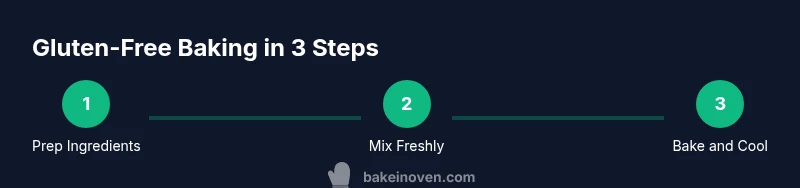
Preheat your oven to the temperature specified in the GF recipe and prepare your pans with parchment or a silicone mat. Gather all GF ingredients to minimize cross-contact and keep a clean workspace as your first step.
Tip: Have all GF ingredients measured and ready before you start mixing to avoid last-minute cross-contact. - 2
Measure dry ingredients
In a separate bowl, whisk together the GF flour blend, xanthan gum, baking powder, and salt. Sifting helps incorporate air and reduce clumps, which improves crumb structure.
Tip: Sift or whisk thoroughly to ensure even distribution of binders and leaveners. - 3
Whisk wet ingredients
In another bowl, mix wet ingredients: eggs or egg substitutes, milk or dairy-free alternative, oil or melted butter, and vanilla. Ensure all liquids are measured accurately.
Tip: Room-temperature liquids mix more smoothly, aiding emulsification. - 4
Combine wet and dry
Add the wet mixture to the dry ingredients and mix until just combined. Avoid overmixing GF batters to prevent dense textures. Fold in any chocolate chips or add-ins gently.
Tip: Overmixing can create tunnels and a tougher crumb in GF bakes. - 5
Rest the batter/dough
Let batters rest for 10–20 minutes to hydrate the flour fully. This helps achieve a better crumb and easier shaping.
Tip: Resting is especially helpful for cookies and muffins made with GF blends. - 6
Bake and monitor
Fill pans evenly and bake according to the recipe. GF baked goods often brown faster, so begin checking a few minutes early. Use a toothpick to test doneness based on the recipe’s guidance.
Tip: Start checking early to avoid over-baking and dryness. - 7
Cool thoroughly
Cool baked goods on a rack before slicing. GF textures can firm up as they cool, and slicing too soon can cause crumbling.
Tip: Cooling time is part of texture development; don’t rush this step. - 8
Store safely
Store GF items in airtight containers away from humidity. For longer shelf life, freeze portions and clearly label them as GF.
Tip: Labeling helps avoid cross-contact in shared storage spaces.
Frequently Asked Questions
Is it safe to bake gluten-free using standard utensils and appliances?
Only if those utensils and appliances are designated gluten-free and free from gluten exposure. Use dedicated tools or thoroughly clean and dry items before GF use, and consider color-coding equipment.
Yes, but only with dedicated GF tools or strict cleaning. Color-code to avoid mix-ups.
Can I use oats in gluten-free baking for someone with celiac?
Only if the oats are certified gluten-free and the guest confirms tolerance. Regular oats may contain gluten from processing; certified GF oats reduce risk but always verify with the guest’s guidelines.
Use certified gluten-free oats, but check with your guest first.
Are all gluten-free flours the same?
No. GF flours vary in texture, flavor, and binding ability. For best results, use a tested GF all-purpose blend for most recipes and supplement with specialty flours as needed.
Gluten-free flours differ; start with a trusted GF blend.
How do I know a recipe is gluten-free-safe?
Look for recipes using certified gluten-free ingredients, clearly labeled sources, and no cross-contact warnings. When in doubt, substitute with a tested GF recipe and avoid ambiguous ingredients.
Check ingredient labels and use tested GF recipes.
What is xanthan gum and why is it used in GF baking?
Xanthan gum acts as a binder to mimic gluten’s structure, improving texture and cohesiveness in GF doughs. If your GF blend already includes it, you may not need extra amounts.
Xanthan gum helps gluten-free dough hold together.
Can gluten-free baked goods be stored with gluten-containing foods?
Best practice is to store GF items separately or in clearly labeled containers to avoid accidental cross-contact in shared spaces. Keep GF products airtight and away from gluten-containing items.
Store GF baked goods separately to prevent cross-contact.
Watch Video
Key Takeaways
- Plan with certified GF ingredients from the start
- Avoid cross-contact with dedicated tools and surfaces
- Choose GF flour blends designed for easy substitution
- Test and fine-tune textures for each recipe
- Label and store GF bakes clearly for safety