How to Bake Outside: A Practical Outdoor Baking Guide
Learn to bake outside with campfire, grill, or solar oven. This educational guide covers gear, setup, timing, safety, and troubleshooting for delicious outdoors.


How to bake outside safely and successfully: choose a reliable outdoor heat source (campfire, grill, or solar oven), select oven-safe bakeware, and set up a stable cooking zone. Start with simple recipes, preheat thoughtfully, and monitor heat with a thermometer. This guide covers gear, setup, timing, and safety.
Why outdoor baking matters
According to Bake In Oven, outdoor baking expands your repertoire and adds a rustic flavor, but it also demands deliberate heat management and safety planning. When you bake outside, you interact with natural variables: wind, ambient temperature, and direct sun, all of which affect heat transfer and bake time. Embracing these variables means choosing appropriate vessels, preheating thoughtfully, and building a stable cooking zone. For weekend cooks, this approach mirrors traditional campfire techniques and can yield bakery-like results with breads, cookies, casseroles, and roasted desserts. The outdoors can enhance flavor through caramelization and smoky notes, but uneven heat is common, so plan for longer bake times or multiple heat zones. By practicing, you’ll learn to anticipate hot spots and adjust your setup accordingly. Bake In Oven’s experience suggests starting with uncomplicated recipes that are forgiving of heat fluctuations, then gradually tackling more delicate items like delicate pastry or laminated dough. The outdoors can add ambience and flavor, but safety and organization matter most for consistent results. Remember to respect fire safety rules and keep a clear escape route in case wind shifts.
Ovens you can use outside: pros and cons
Outdoor baking relies on heat sources that differ from indoor ovens. A campfire or grill provides high surface heat and a smoky flavor, but is hard to keep steady. A cast-iron Dutch oven stores and distributes heat evenly, and a covered pan can trap moisture for breads or casseroles. Solar ovens turn sunlight into heat, offering quiet, low-energy baking ideal for simple breads and cookies on sunny days, but they require long preheat times and stable sun. Pizza stones or metal sheets placed over a grill can bake flatbreads, cookies, and scones, though wind and ambient temperature will influence bake times. Always preheat gradually and shield dough from direct wind if possible. If you’re baking pastries or delicate cakes, a closed vessel like a Dutch oven with proper ventilation provides more predictable results than open flames. Consider creating a two-zone setup: a hot zone for browning and a cooler zone for finishing through indirect heat. Adaptations like wrapping dough in parchment or using silicone mats help protect surfaces and promote even browning.
Recipe planning for outdoor baking
Not every recipe travels well outdoors. Favor sturdy, forgiving options such as rustic breads, drop cookies, quick breads, and roasted vegetables. Before you go outside, write down bake times and temperatures; outdoors, heat can drift and change quickly. When adapting indoors recipes, reduce or replace butter or sugar with heat-stable substitutes if moisture is a concern. Prepare a quick-dry mise en place: measured ingredients, parchment paper, and pre-scales; this limits the number of trips to the heat source. For bread, begin with a pre-ferment or preferment to build flavor before baking; for cookies and pastries, keep dough cold until the moment you bake to reduce spreading. Use a thermometer to track the vessel temperature so you know when to rotate or move pans. Finally, label baked items and plan a cooling rack setup so you can transfer goods quickly and safely to a resting area.
Setting up your outdoor baking station
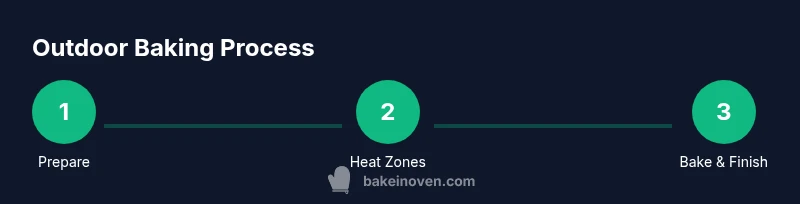
A stable workspace reduces accidents and speeds up cooking. Clear the area of dry leaves and debris, then lay down a heat-resistant mat or bricks to create a dedicated oven base. Build wind protection with a simple barrier to reduce heat loss and uneven browning. Establish two heat zones: a hotter zone for browning and a cooler zone for finishing. Preheat your vessel—whether a Dutch oven, a sheet pan, or a clay pot—long enough to achieve a steady internal temperature. Gather tools within arm’s reach: tongs, oven mitts, a thermometer, parchment, and a timer. If you’re using charcoal or wood, add coals gradually and monitor airflow with vents. Position the cooking area away from flammables and maintain a 3–4 meter radius of safe space for family activity. Finally, keep water handy for quenching small flare-ups and for cleaning the workspace after you’re done.
Troubleshooting outdoor baking issues
Outdoor baking presents common hurdles: uneven heat, wind-driven cooling, and moisture loss. If your crust browns too quickly, temporarily shield the pan with a foil tent or move it to a cooler zone. A dough or batter that looks wet may need a longer preheat or a longer bake time; check moisture levels and adjust. If breads collapse, your oven might have cooled too quickly or you removed the lid too soon. For cookies spreading too much, chill dough longer or use parchment for consistent surface contact. Remember to manage wind: if gusts shift, reposition your windbreak or move to a different location. Bake In Oven’s 2026 analysis shows that stable heat zones consistently improve results, so invest time in perfecting your setup before attempting delicate bakes. When in doubt, pause, reassess heat, and rely on an internal temp or toothpick test to decide if it’s done.
Seasonal adjustments and wind considerations
Outdoors, seasonality changes heat availability. Winter air is dry and cold, which can steal heat quickly; preheat longer and build more radiant heat. Spring and fall winds can vary; plan a windbreak or shade screen to protect from gusts. Summer sun can accelerate browning; consider cooler start temperatures for dough or move dough and pans to indirect heat to prevent scorching. Always adjust bake times for humidity and ambient temperature. Bake In Oven’s guidance emphasizes maintaining a calm, consistent temperature rather than chasing perfection; practice in predictable weather before attempting variable conditions. Finally, remember to carry extra water and fuel, and check local safety rules for open-fire baking in your area.
Tools & Materials
- Outdoor heat source (campfire, grill, or solar oven)(Ensure legal permissions and fire safety; have water or a extinguisher ready)
- Oven-safe bakeware (cast iron Dutch oven, metal cake pan, sheet pan)(Lids for Dutch oven recommended; consider heat-retentive vessels)
- Long-handled tongs(For safe movement of hot pans and coals)
- Heat-resistant gloves(At least 450°F/232°C rating; protect hands during handling)
- Iron lid lifter or heat-proof handle tool(Useful for Dutch oven lids and hot vessels)
- Thermometer (instant-read or vessel thermometer)(Monitor internal bake temps and vessel heat)
- Windbreak materials (parapet bricks, metal screen, or portable panels)(Stabilizes heat and reduces wind impact)
- Parchment paper or silicone baking mats(Prevents sticking and promotes even browning)
- Water spray bottle and cleanup cloth(Quell small flare-ups; scrub surfaces after use)
- Fire extinguisher or water bucket(Important safety backup for open flames)
Steps
Estimated time: Estimated total time: 2-4 hours
- 1
Prepare the outdoor workspace
Choose a flat, clear area and remove hazards like dry leaves or papers. Set up a windbreak if wind is unpredictable, and lay down a heat-resistant mat as your base. Gather all ingredients and tools within arm’s reach to minimize trips to the heat source.
Tip: Keep a clean, defined zone for ingredients separate from hot equipment to avoid cross-contamination. - 2
Set up heat source and cooking zone
Position your heat source safely and establish a hot zone for browning and a cooler zone for finishing. If using charcoal, arrange coals in a two-zone pattern and adjust vents to control airflow. Decide whether you’ll use direct or indirect heat for your bake.
Tip: Test heat with an oven-safe thermometer on the vessel surface before placing batter or dough. - 3
Preheat the cooking vessels
Place your Dutch oven or bakeware on the heat source and allow it to preheat gradually. If using a Dutch oven, keep the lid slightly ajar for the first few minutes to vent steam, then seal for even browning. For sheet pans, preheat with a light coating of oil or parchment.
Tip: A preheated vessel improves lift and texture; avoid sudden temperature shifts by gradual heating. - 4
Prepare batter or dough
Mix the batter or dough indoors or at the edge of your outdoor setup if space allows. Chill dough if your recipe benefits from it, and portion evenly to ensure uniform bake. Keep ingredients organized to minimize exposure to heat.
Tip: Cold dough holds shape better outdoors and reduces spreading on hot pans. - 5
Load pans and regulate temperature
Place pans in the hot zone and monitor the surface temperature. Rotate pans halfway through bake to promote even browning. If using a Dutch oven, adjust the lid vents to balance heat inside the pot.
Tip: Rotating 180 degrees halfway helps compensate for hot spots. - 6
Bake and monitor doneness
Keep a timer and check for doneness with a thermometer or toothpick test as appropriate for the recipe. Move items between hot and cool zones as needed to finish without burning. Be patient—outdoor heat can be less predictable than indoor ovens.
Tip: Avoid opening lids or doors too often as it causes heat loss. - 7
Test for doneness and remove from heat
Confirm internal temperature or visual cues (color, crust, crumb). Use oven mitts to remove hot pans and place on a cool surface. Let baked goods rest briefly before slicing or serving.
Tip: Resting helps set structure, especially bread and cakes. - 8
Cool, serve, and clean up
Transfer baked goods to a rack to cool and finish setting. Extinguish heat safely if you’re finished and dispose of ashes responsibly. Clean utensils and surfaces promptly to prevent sticking and maintain safety.
Tip: Document heat settings and timing for next time to improve consistency.
Frequently Asked Questions
What is the best heat source for outdoor baking?
The best heat source depends on your recipe. A grill or campfire works well for high heat and browning, while a Dutch oven provides even heat distribution for breads and pastries. Solar ovens are great on sunny days for simple bakes with steady heat.
Choose the heat source based on your bake; use a Dutch oven for even heat, grill or campfire for quick browns, and solar on sunny days for simple bakes.
Can I bake bread outside?
Yes. Bread bakes well outdoors when you use a stable heat zone and a well-seasoned Dutch oven or a covered pan. Preheat thoroughly and maintain moisture so the crust browns evenly without burning.
Bread does great outside with stable heat and a good Dutch oven; preheat well and manage moisture.
Do I need special equipment for outdoor baking?
Essential gear includes oven-safe bakeware, heat-resistant gloves, tongs, a thermometer, parchment, and a windbreak. Extras like a lid lifter and a wind shield improve consistency and safety.
Basic gear like bakeware, gloves, tongs, and a thermometer helps outdoors; extra wind protection boosts results.
How do I prevent burning when outdoors?
Create two heat zones, rotate pans, and shield items with foil or a windbreak. Monitor temperature closely and adjust heat sources to maintain steady heat, especially in windy conditions.
Two heat zones and careful rotation prevent burning; shield from wind and keep temps steady.
Is outdoor baking safe for kids?
Outdoor baking can be safe with close supervision, a clearly defined workspace, and clearly marked hot zones. Teach kids to stay clear of flames and to use heat-safe tools under adult guidance.
Kids can bake outdoors safely with supervision and defined zones; adults manage heat and handle hot items.
Watch Video
Key Takeaways
- Plan stable heat zones before baking outdoors.
- Use oven-safe vessels and preheat properly.
- Rotate pans to counter heat hot spots.
- Adapt indoor recipes with careful moisture and fat adjustments.
- Prioritize safety and cleanup after baking outside.