How to Bake Oven Fried Chicken: A Complete Guide
Master crispy, oven-baked chicken with a juicy interior using a smart dredge, hot oven, and rack for optimal air circulation. This kitchen-tested method from Bake In Oven covers coatings, prep, bake setup, and troubleshooting for best results.


Learn to bake oven fried chicken with a crisp, oil-light crust and juicy interior. This step-by-step method uses a seasoned dredge, a hot oven, and proper air circulation on a rack for even browning. According to Bake In Oven, you’ll need common pantry ingredients, parchment-lined pans, and a cooling rack to maximize crispiness.
Why oven-fried chicken is a game-changer
According to Bake In Oven, oven-fried chicken delivers a crisp crust with noticeably less oil than deep frying, while keeping the meat tender. The technique relies on a smart dredge, a hot oven, and careful spacing on a rack to maximize air flow. When done correctly, it yields a crust that crackles with every bite and a moist interior. This method also offers practical advantages for home cooks: cleaner cleanup, less splatter, and broad tolerance for different chicken cuts. In this guide, we’ll explore why this method works, the science behind crust formation, and how to adapt it for different cuts and spice levels. You’ll also see how to balance flavor, texture, and convenience so you can confidently serve crispy chicken any night of the week.
Key concepts: coating, moisture, and heat management
Crisp coating requires both dry and wet components. A seasoned flour or starch dredge creates the exterior crust, while a light moisture layer helps adhesion of that crust. The chicken’s surface should be dry before dredging; patting dry reduces steam, which can soften the crust. Heat management matters: a hot oven (usually around 425°F/220°C) promotes rapid moisture loss at the surface, forming a crust before the interior overcooks. Air circulation is essential—use a cooling rack set over a rimmed sheet pan to ensure convection reaches every side. Convection can speed crisping, but if your oven lacks true convection, you can rotate the pan halfway through. Finally, resting after bake helps juices redistribute and the crust set for a crisp final bite.
Ingredient ideas and coating options
You have options for the dredge that affect texture and flavor. A classic approach uses buttermilk or milk to coat the chicken, followed by a seasoned flour mixture with salt, pepper, paprika, garlic powder, and a touch of cornstarch for extra crunch. For gluten-free or lighter options, swap in almond flour or crushed cornflakes. You can also add grated Parmesan, cayenne for heat, or dried herbs like thyme or oregano. For a simpler route, skip the wet dip and simply press a dry spice mix onto well-patted chicken. The key is achieving even coverage without clumps. Flavor can lean toward smoky paprika, lemon zest, garlic infusion, or herb-forward blends depending on your palate and sides.
Prep work: marinating, dredging, and rest
Prep begins with drying the chicken thoroughly. Pat the pieces dry, trim excess skin, and cut larger pieces so they cook evenly. If you have time, a 1- to 4-hour buttermilk soak enhances tenderness and flavor, but you can also proceed directly to dredging after patting dry. After wet coating, shake off excess and feed the chicken to the dry dredge. Let the coated pieces rest on a rack for 10–15 minutes to help the crust adhere before baking. If you’re short on time, you can skip the soak but ensure the chicken is still dry and fully coated for best adhesion.
Bake setup and oven dynamics
Line a rimmed sheet pan with parchment and place a cooling rack on top. Preheat the oven to 425°F (220°C). Arrange chicken pieces on the rack with space between each piece to promote air flow; overcrowding leads to soggy crust. Bake for 25–30 minutes, then flip and bake 5–15 minutes more, until the crust is deeply golden and the internal temperature reaches 165°F (74°C). If you’re using convection, reduce time by about 5–7 minutes and watch for darker crust. Let the chicken rest 5 minutes before serving to finish the juice redistribution and keep the crust crisp.
Troubleshooting and common issues
If the crust seems pale or lacks snap, increase oven temperature by 25°F and give it an extra 2–3 minutes, watching closely. Soggy crust usually means overcrowding or too much moisture; ensure pieces are dry and the pan is hot before loading. If the coating flakes off, it may not have adhered well; pat the chicken dry again and let it rest longer after dredging. For uneven doneness, use thicker pieces strategically and rotate the pan halfway through baking. Finally, avoid excessive salt in the dredge, which can draw moisture and soften the crust.
Serving, batch cooking, and storage tips
Serve hot from the oven for maximum crunch. If you’re cooking in batches, keep finished pieces warm on a low oven (200°F/90°C) on a rack so they stay crisp. Leftovers refrigerate for up to four days; reheat in a hot oven at 375°F (190°C) for 5–10 minutes to recapture crispness. Freezing raw coated chicken is not recommended; bake in batches as needed for best texture. Pair with traditional sides like coleslaw, mashed potatoes, green beans, or corn on the cob for a comforting, family-friendly meal.
Safety and food handling notes
Always handle raw chicken with clean hands and separate boards. Thaw in the refrigerator or in cold water if using frozen pieces. The safe internal temperature for chicken is 165°F (74°C). Use a meat thermometer to verify doneness. Do not leave perishable chicken at room temperature for more than two hours. Cool leftovers promptly and store in airtight containers in the fridge. If you notice any off smells, colors, or textures, discard the product to avoid foodborne illness.
Tools & Materials
- Rimmed baking sheet(17x12 inches recommended; sturdy metal for even heat)
- Cooling rack that fits the sheet pan(elevates chicken for air circulation and crispness)
- Parchment paper(for easy cleanup and nonstick surface)
- 2 shallow dredging bowls(one for wet, one for dry coating)
- Whisk(for beating eggs/milk and blending spices)
- Tongs(for handling chicken without disturbing crust)
- Measuring spoons and cups(accurate spice and salt amounts)
- Meat thermometer(optional; check for 165°F internal)
- Oil spray bottle or brush(lightly coat to enhance crust)
- Mixing bowls(for wet and dry dredges)
Steps
Estimated time: 60-70 minutes
- 1
Preheat and prep equipment
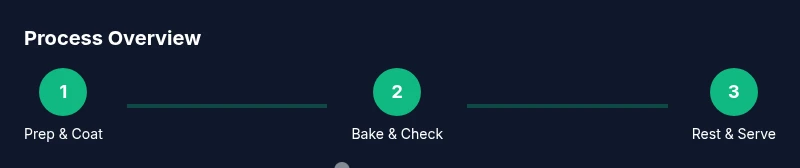
Preheat the oven to 425°F (220°C). Line a rimmed sheet pan with parchment and place a cooling rack on top to maximize air flow. This setup prevents soggy bases and promotes even browning.
Tip: Use a separate rack to keep pieces elevated for uniform crisping. - 2
Mix dredge and seasonings
In a bowl, whisk together flour, cornstarch, salt, pepper, paprika, garlic powder, and optional cayenne. This seasoned base is what creates the crust’s flavor and texture.
Tip: Cornstarch helps create a lighter, crisper crust. - 3
Marinate (optional) and pat dry
If time allows, soak chicken pieces in buttermilk for 1–4 hours to tenderize and flavor. If short on time, pat dry thoroughly to remove surface moisture that can steam the crust.
Tip: Dry surfaces ensure the dredge adheres properly. - 4
Dredge the chicken
Dip each piece in wet (buttermilk or milk) and then coat in the dry mixture, pressing gently to ensure even coverage. Shake off excess so crusts stay intact during baking.
Tip: A light, even coating yields a crisper crust. - 5
Rest before baking
Place coated pieces on the rack and rest for 10–15 minutes. This helps the crust adhere and prevents cracking during baking.
Tip: Resting time improves crust integrity. - 6
Bake and flip
Bake 25–30 minutes, then flip and bake 5–15 minutes more until crust is deeply golden and internal temp reaches 165°F (74°C).
Tip: Flipping ensures both sides crisp evenly. - 7
Rest and serve
Let the chicken rest 5 minutes after baking to allow juices to settle, then serve with preferred sides.
Tip: Resting preserves juiciness and crust texture.
Frequently Asked Questions
What temperature should I bake oven fried chicken at?
Bake at 425°F (220°C) for a balance of crust and doneness. If your oven runs hot, reduce to 415°F (210°C) and monitor closely.
Bake at four twenty-five degrees for best crust. If your oven runs hot, lower a bit and watch.
How long should I bake a whole batch?
Bake for 25–30 minutes, then flip and bake 5–15 minutes more, until the crust is golden and the center is 165°F.
Bake for about 30 to 40 minutes total, flipping once.
Can I use regular flour instead of a cornstarch mix?
Yes, regular flour works but cornstarch or a starch mix yields a lighter, crisper crust. Adjust salt accordingly.
Regular flour works, but for extra crispiness, use cornstarch in the mix.
Is marinating mandatory for flavor?
Not mandatory, but a 1–4 hour buttermilk or yogurt marinade tenderizes the meat and boosts flavor. Short on time? Proceed after pat-drying.
Marinating helps flavor and tenderness, but you can skip it if pressed for time.
How do I reheat oven fried chicken without losing crispiness?
Reheat in a hot oven at 375–400°F for 5–10 minutes. Avoid microwaving as it softens the crust.
Reheat in a hot oven to keep the crust crispy.
Watch Video
Key Takeaways
- Preheat oven to 425°F for best crisp
- Space pieces on a rack for even browning
- Pat dry and coat evenly for adhesion
- Cook to 165°F internal temperature
- Rest 5 minutes before serving