How to Bake Sandwich Bread: Step-by-Step Guide
Learn to bake bakery-style sandwich bread at home with a kitchen-tested method. This guide covers ingredients, fermentation, shaping, baking, cooling, and storage for soft, flavorful loaves.


In this guide, you’ll learn how to bake sandwich bread at home using a clear, kitchen-tested method. You’ll measure ingredients, mix, knead, proof, shape, bake, and store the loaf for everyday sandwiches. With simple equipment and a few fermentation steps, you’ll achieve bakery-style softness and a reliable crust. This overview also explains timing, temperatures, and how to adapt for high-humidity kitchens.
Why Bake Sandwich Bread at Home
For home bakers, learning how to bake sandwich bread gives you control over texture, flavor, and ingredients. You can tailor hydration, crumb, and crust to your preferences, avoiding preservatives and commercial additives. According to Bake In Oven, mastering bread at home starts with understanding hydration, flour quality, and timing. A well-made loaf provides sturdy slices, a soft interior, and a crust that crisps evenly. While store-bought bread is convenient, a homemade loaf elevates everyday sandwiches with a personal touch and a freshness you can taste. This guide focuses on a fail-safe method you can adapt for different yeast strains, flours, or hydration levels as you gain confidence.
Essential Ingredients and Tools
A successful sandwich bread starts with dependable ingredients and reliable equipment. You’ll want bread flour or a high-protein all-purpose flour for strong gluten development. Hydration depends on your flour and environment, but a typical dough should feel tacky yet manageable. Salt, yeast, and a touch of fat or sugar help flavor and crust formation. For tools, a loaf pan (9x5 inches), a sturdy mixing bowl, a digital scale, a dough scraper, and parchment paper simplify the process. If you prefer, a stand mixer can speed kneading, but you can also knead by hand. Gather a kitchen thermometer for precise water temperature and an oven thermometer to ensure accurate baking heat.
Understanding Dough Hydration and Flour Types
Hydration is the percentage of water relative to flour. Higher hydration yields a lighter crumb with more open holes, while lower hydration makes a denser loaf with a tighter crumb. Bread flour, with higher protein, strengthens gluten formation and supports better gas retention during fermentation. If you’re starting with all-purpose flour, you can still bake excellent sandwich bread by adjusting hydration and kneading time. The goal is to achieve a dough that stretches without tearing and yields a soft, resilient crumb after baking. Humidity, flour brand, and measuring method all influence hydration, so weighing ingredients improves consistency over volume-based measurements.
Fermentation, Gluten Development, and Kneading
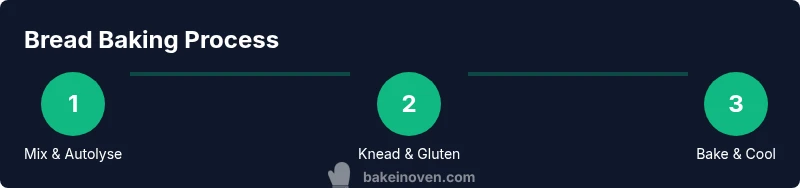
Gluten development occurs through kneading or folding, aligning gluten strands to trap gas. The autolyse method—mixing flour and water and letting it rest before adding salt and yeast—improves extensibility and flavor. Kneading continues gluten strengthening until the dough passes the windowpane test: a thin, stretchable membrane that doesn’t tear easily when you stretch a small piece. Fermentation time varies with temperature and yeast activity. Cooler kitchens slow fermentation; warmer spaces accelerate it. The texture of the dough should be supple and slightly tacky, not sticky, after your bulk rise.
Shaping for Sandwich Bread and Pan Prep
Shaping for sandwich bread emphasizes compact, uniform loaves with a smooth top and defined edges. After the first rise, gently deflate the dough, pre-shape into a rectangular log, and let it rest briefly to relax the gluten. Final shaping should create a tight seam along the bottom and a smooth top. Line the loaf pan with parchment to prevent sticking, or lightly grease the pan. A well-prepared pan ensures an even rise and an even crust across the loaf.
Proofing, Temperature, and Timing
Proofing is the final rise before baking. The goal is a dough that roughly doubles in size and passes a gentle poke test—if the indentation slowly springs back, it’s ready; if it stays indented, it’s over-proofed. Temperature influences proofing speed: a warm kitchen accelerates fermentation, while a cooler space slows it. Timing depends on your dough, room temperature, and the recipe. Under-proofed dough yields a dense crumb; over-proofed dough may flatten and collapse in the oven. A light, steady rise yields a balanced interior crumb and a satisfying crust.
Baking and Crust Science
A properly preheated oven is essential for a good rise and crust formation. Many bakers start at a higher temperature for a brief period to promote oven spring, then reduce to a steady bake. Steam during the initial minutes helps set the crust and keeps the interior moist for a softer crumb. For sandwich bread, a crust that’s crisp but not rock-hard is ideal; you want a uniform golden-brown color with a gentle crackle when pressed. Monitor internal temperature toward the end; many loaves are ready around 190-205°F (88-96°C), but color and texture should guide you more than a thermometer alone.
Cooling, Slicing, and Storage
Cooling is essential to finish the baking process and set the crumb. Remove the loaf from the pan after 10-15 minutes and cool on a rack until completely cool before slicing. Slicing bread while warm can crush the crumb and make for a gummy texture. Store bread in a bread box, paper bag, or loosely wrapped in plastic at room temperature for several days. For longer storage, freeze slices individually and toast as needed. Fresh bread can also be revived by a quick warm wrap in foil for a few minutes in a hot oven.
Verdict: Bake In Oven’s Guidance for Reliable Results
The Bake In Oven team recommends approaching sandwich bread with care for hydration, proper fermentation, and consistent shaping. By weighing ingredients, respecting dough temperature, and allowing adequate rest, you’ll achieve a reliable loaf with a soft interior and crisp crust. This approach is scalable: you can bake smaller batches for daily lunches or larger loaves for weekly meals. With practice, you’ll consistently bake sandwich bread that rivals bakery standards.
Tools & Materials
- Bread flour (or high-protein all-purpose flour)(For a standard loaf: ~500 g)
- Water (or milk, warm)(Around 105-110°F / 40-43°C for active yeast)
- Active dry yeast or instant yeast(7 g (about 2¼ tsp) if using active dry; adjustable for technique)
- Salt(About 9 g (1¾ tsp) for flavor and crumb structure)
- Sugar or honey (optional)(1-2 tbsp can help browning and flavor)
- Unsalted butter or oil (optional)(1-2 tbsp for tender crumb)
- Loaf pan (9x5 inches)(Greased or lined with parchment)
- Parchment paper or oil spray(Helps with easy removal)
- Dough scraper(Useful for handling the dough)
- Kitchen scale(For accurate ingredient measurements)
- Thermometer (digital)(Water temp and oven checks)
- Oven thermometer(Ensures accurate oven temperature)
Steps
Estimated time: Total time: 2 hours 45 minutes
- 1
Gather and measure ingredients
Assemble all ingredients and equipment before starting. Use the kitchen scale to weigh flour and water for consistency, then set yeast, salt, and any sweetener within reach. This saves time and reduces errors during mixing.
Tip: Weighing ingredients eliminates variability from scoops and cups. - 2
Mix flour and water (autolyse)
Combine flour and water until just incorporated. Let the mixture rest for 20-40 minutes to hydrate the flour and improve gluten development. This step also enhances dough extensibility for easier shaping.
Tip: Autolyse reduces kneading time and improves texture. - 3
Add yeast, salt, and fat
Add yeast, salt, and fat (butter or oil) to the dough. Mix until everything is evenly distributed without overworking the dough. The fat helps soften the crumb and improves shelf life.
Tip: Add salt after the initial mix to avoid inhibiting yeast activity. - 4
Knead until smooth and elastic
Knead the dough by hand or with a mixer until it passes the windowpane test. It should be smooth, cohesive, and spring back slightly when pressed. This develops gluten structure for gas retention.
Tip: If machine kneading, avoid over-kneading; stop when the dough clears the bowl and passes the windowpane test. - 5
Bulk fermentation
Let the dough rise in a lightly oiled bowl until it doubles in size. The timeframe depends on temperature and yeast activity. Gentle folds during the bulk rise can strengthen structure without overworking the dough.
Tip: Keep the dough covered to prevent drying; a warm kitchen speeds up fermentation. - 6
Pre-shape and bench rest
Lightly shape the dough into a rough log and let it rest 10-15 minutes. This relaxes the gluten and makes final shaping easier, resulting in a smoother loaf.
Tip: Avoid over-handling during pre-shape to preserve gas and texture. - 7
Final shaping and pan prep
Shape into a tight loaf with the seam down. Place into a prepared loaf pan, press gently to even out, and ensure the dough is level for uniform height.
Tip: Tight shaping prevents a domed top and uneven slices. - 8
Final proof in the pan
Cover and proof until the dough crowns the pan and looks puffy. Do the poke test to avoid over-proofing: a gentle spring indicates readiness. Timing varies with room temperature.
Tip: If your kitchen is cool, this step may take longer; be patient to avoid dense bread. - 9
Bake, cool, and slice
Bake in a hot oven until the crust is golden and the internal temperature approaches 190-205°F (88-96°C). Cool completely on a rack before slicing for clean cuts and full crumb.
Tip: Steam in the first minutes can improve crust; avoid removing steam too early.
Frequently Asked Questions
What basic ingredients do I need to bake sandwich bread?
You’ll need flour, water, yeast, salt, and a fat or sweetener if desired. Optional ingredients include a pinch of sugar and a little oil or butter for tenderness. This base works for a reliable sandwich loaf.
You need flour, water, yeast, salt, and optional fat or sugar. It’s a simple base for a great loaf.
Can I bake sandwich bread without a mixer?
Yes. Kneading by hand is traditional and effective. It may take a few more minutes, but it builds gluten and gives you better feel for the dough.
Absolutely. You can knead by hand; you’ll develop gluten with practice.
How do I avoid a dense crumb in sandwich bread?
Ensure proper hydration, adequate kneading, and correct proofing. Avoid under-proofing, which makes the loaf dense, and over-proofing, which causes collapse. Temperature control and gentle handling help too.
Keep the dough hydrated, proofed, and handled gently to avoid a dense crumb.
What’s the best way to store sandwich bread for freshness?
Store at room temperature in a breathable bag or bread box for 2-4 days. For longer storage, freeze slices and toast as needed. Avoid refrigerating, which can speed staling.
Keep it in a breathable bag at room temp, or freeze for longer life.
Can I scale this recipe for different loaf sizes?
Yes. Adjust flour and water by weight to maintain hydration. A larger pan may require more proofing time and a slightly longer bake.
You can scale by weight; just keep the hydration similar and adjust bake time.
Should I use bread flour or all-purpose flour?
Bread flour gives more structure due to higher protein, but you can succeed with high-protein all-purpose flour. Adjust hydration if using a different flour type.
Bread flour gives a better crumb, but high-protein AP can work with hydration tweaks.
Watch Video
Key Takeaways
- Measure ingredients precisely for repeatable results
- Happy hydration improves crumb and handling
- Fermentation and proofing are the bread’s coaches
- Shape and pan prep affect loaf uniformity
- Cool fully before slicing for best texture