How to Bake Turkey Wings: A Practical Oven Guide
Learn how to bake turkey wings to juicy, crispy perfection with a simple rub, proper preheating, and precise oven timing. This step-by-step guide from Bake In Oven covers prep, cooking methods, and serving ideas for delicious wings every time.


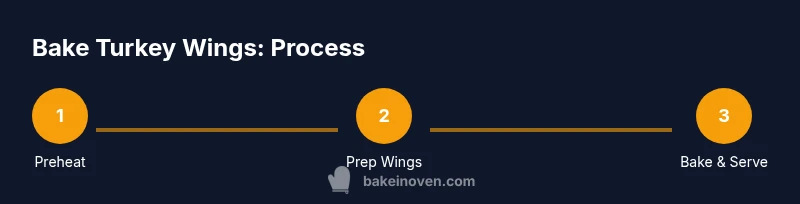
With this guide, you will learn how to bake turkey wings to juicy, crispy perfection. You’ll preheat the oven, season with a simple rub, and arrange the wings on a rack for even browning. Bake at a steady 425°F and rest briefly before serving for best texture and flavor. This quick tutorial keeps steps clear and actionable throughout.
Why How to Bake Turkey Wings Matters
Mastering how to bake turkey wings starts with a simple plan. In this guide, home bakers will learn a clear sequence to turn wings into juicy, crispy morsels. According to Bake In Oven, the key to success is controlled heat, thorough drying, and a rack-based bake for even browning. Start with a straightforward approach, and you’ll elevate flavor without complicated gear. This article will walk you through every detail—from dry rub to doneness checks—so you can serve wings that rival your favorite restaurant, right from your home oven.
As you follow along, you’ll notice that small choices add up: the amount of air exposure on the skin, the balance of salt in your rub, and the exact oven temperature you select. Every step is designed to optimize flavor while keeping the method approachable for home bakers. Bake In Oven emphasizes practical, kitchen-tested guidance, not gimmicks, so you can feel confident when you pull a tray of wings from the oven.
Flavor Foundations and Pre-Prep
Before you ever slide wings into the oven, you need a plan for flavor and prep. This section covers two core ideas: choosing a reliable rub and ensuring the wings are ready for high-heat baking. A balanced rub – salt, pepper, paprika, garlic powder, and a touch of cayenne or chili for heat – creates depth without needing lengthy marinades. Dry rubs cling to the skin and help draw moisture away, which is essential for crispness.
The prep is simple but critical: pat the wings dry with paper towels, which removes surface moisture that would otherwise steam the skin. Even with a light oil, dry skin crisps better when it hits hot air. If you prefer a slicker finish, you can whisk a tablespoon of oil into your rub and toss the wings until evenly coated. The goal is to coat without pooling sauces that would soften the skin.
Oven Techniques for Crisp Skin
Crisp skin comes from a combination of heat, air exposure, and proper rack positioning. We recommend a hot oven around 425°F (220°C) so the skin renders quickly and browns evenly rather than steaming in a crowded tray. Placing wings on a wire rack over a lined baking sheet keeps air circulating around each piece, which is crucial for uniform crisping. If you don’t have a rack, you can improvise by elevating the wings on crumpled foil or using two pans to lift them off the bottom surface. Convection can help, but it’s not mandatory—just monitor closely since fan-assisted ovens can brown faster.
During baking, avoid crowding the pan. When wings are close together, juices stay on the surface rather than evaporating, which leads to soggy skin. If you’re using a conventional oven, rotate the pan halfway through to compensate for hot spots and to help every wing brown evenly.
Doneness, Safety, and Rest
The safety and texture of turkey wings hinge on reaching a safe internal temperature and allowing the meat to rest. The target internal temperature for fully cooked poultry is 165°F (74°C). Use a reliable instant-read thermometer to check the thickest part of a wing without touching bone, and remove the wings from the oven as soon as they hit the target. Let the wings rest on the rack or a clean plate for 5–10 minutes before serving. Resting helps the juices redistribute, resulting in juicier meat rather than dry bites. If you crave extra crispness, a brief 1–2 minute broil at the end can enhance browning without significantly drying the meat.
For a balanced finish, consider a light glaze or a sprinkle of finishing salt after resting. A glaze works best when it’s applied during the final minutes of baking and allowed to caramelize under heat.
Flavor Variations and Serving Ideas
Turkey wings are incredibly versatile, and a slightly different rub or finish can yield dramatically different results. If you prefer a smoky profile, swap paprika for smoked paprika and add a touch of brown sugar to accent caramelization. For a herby, bright finish, add dried thyme or lemon zest to your rub. A butter-based basting mix brushed on during the last 5–7 minutes of baking can add richness without dripping back into the pan. Serve wings with a tangy dipping sauce, a crisp salad, or warm cornbread for a comforting meal. Leftover wings refrigerate well for up to 3–4 days and can be reheated in the oven for a quick lunch.
Troubleshooting and Common Mistakes
Even seasoned home bakers encounter hiccups when baking turkey wings. If your skin stays pale or soggy, it’s usually due to moisture or overcrowding. Ensure wings are thoroughly dry and spaced apart on the rack. If wings brown too quickly before the centers are fully cooked, lower the oven temperature slightly and extend the bake time to achieve even doneness. For extra crispness, finish with a brief broil, but watch closely to prevent burning. Finally, avoid using a sugary glaze at the start of baking; sugar can burn and create bitterness if cooked for too long.
Quick Serving and Leftovers
Once wings are cooked and rested, divide them into portions for serving. A squeeze of fresh lemon over the top can brighten the heavier flavors, and a cool ranch or blue cheese dip complements the smoky, crispy skin. Store leftovers in an airtight container in the fridge for up to 3–4 days. To reheat, spread wings on a rack and bake at 375°F for 8–12 minutes to restore crispness without over-drying.
Summary of the Method
In essence, achieving perfect baked turkey wings comes down to four pillars: dry skin, even spacing, steady high heat, and proper rest. By following the steps outlined, you’ll maximize browning, prevent soggy skins, and keep meat juicy. Remember that small choices—whether you pat dry, how long you bake, or whether you broil at the end—shape the overall result. With practice, you’ll be able to tailor rubs and finishes to your family’s tastes while maintaining consistent quality.
Tools & Materials
- Oven(Preheated to 425°F (220°C))
- Rimmed baking sheet(Line with parchment or foil)
- Wire rack(Elevates wings for air circulation)
- Parchment paper or aluminum foil(Easy cleanup)
- Large mixing bowl(For rub and coating)
- Whisk or spoon(Mix rub evenly)
- Tongs(For turning wings)
- Paper towels(Dry wings thoroughly)
- Instant-read thermometer(Check 165°F doneness)
Steps
Estimated time: 60-90 minutes
- 1
Preheat oven
Preheat the oven to 425°F (220°C). This ensures the wings hit hot air immediately for crisping and even browning.
Tip: A hot start is your best friend for crisped skin. - 2
Line and rack
Line a baking sheet with parchment or foil and place a wire rack on top. Elevation allows air to circulate around each wing, promoting even browning.
Tip: Avoid piling wings directly on the sheet; space matters. - 3
Pat dry
Pat the wings dry with paper towels to remove surface moisture. Moisture ruins crisping.
Tip: Even a small pat can improve texture dramatically. - 4
Make rub
In a large bowl, mix salt, pepper, paprika, garlic powder, and optional cayenne. Toss the wings in the rub until evenly coated.
Tip: Use fresh spices for brighter flavor; don’t skimp on salt at this stage. - 5
Arrange on rack
Place wings skin-side up on the rack with at least 1/2 inch of space between pieces. This spacing is critical for airflow and even browning.
Tip: If you have a lot of wings, bake in batches to maintain spacing. - 6
Bake first phase
Bake the wings for 25-30 minutes, until the skin starts to color and edges show crispness.
Tip: Avoid opening the oven too often; temperature stability matters. - 7
Flip and rotate
Flip the wings and rotate the pan to counter hot spots. Return to the oven for 15-20 minutes until the internal temperature approaches 165°F.
Tip: Flipping halfway ensures both sides brown evenly. - 8
Final crisp or broil
If extra crispness is desired, broil for 1-2 minutes while watching closely to prevent burning. Remove and rest for 5-10 minutes before serving.
Tip: Resting redistributes juices for juicier bites. - 9
Check doneness
Use an instant-read thermometer to confirm the thickest wing portion hits 165°F (74°C). If needed, finish in the oven a few extra minutes.
Tip: Bone-in segments may read differently; test multiple wings.
Frequently Asked Questions
What is the best temperature to bake turkey wings?
A steady 425°F (220°C) promotes crisp skin and even browning. If your oven runs hot, you can reduce to 400°F and extend the bake time slightly. Always verify doneness with a thermometer.
Bake at 425°F for best browning, then check internal temperature to ensure 165°F is reached.
Should I marinate or dry rub turkey wings?
Dry rubbing is quick and effective for crisp skin, while marinades add flavor depth. If you have time, a short marinade (30–60 minutes) can boost flavor, but dry rub alone also yields excellent results.
Dry rub works well and saves time; marinating adds depth if you have extra minutes.
How long should I bake wings for crispy skin?
Aim for about 60-75 minutes total, including flipping and finishing touches. Crispness develops gradually; watch for color and texture rather than chasing a single minute.
Typically about an hour, with checks for color and crisp texture.
Can I bake wings with skin on or off?
Keep the skin on for crispness; skin helps protect the meat and crisp during baking. If you remove the skin, you’ll lose some texture, and the result will be less crisp.
Keep skin on for best texture and flavor.
How should I store and reheat leftovers?
Store cooled wings in an airtight container in the fridge for up to 3–4 days. Reheat in a hot oven or air fryer to restore crispness, about 8–12 minutes at 375°F.
Store in the fridge for a few days and reheat in a hot oven to keep crusty skin.
Watch Video
Key Takeaways
- Preheat to 425°F for best browning.
- Dry skin and proper spacing are essential.
- Rest wings 5–10 minutes before serving.
- Check internal temp to 165°F for safety.