Time and Temperature to Bake Potatoes: The Complete Home Guide
Master the time and temperature for baking potatoes with this comprehensive, step-by-step guide. Learn potato varieties, prep, oven methods, and finishing touches for fluffy interiors and crisp skins.


According to Bake In Oven, achieving perfectly baked potatoes starts with choosing the right potato and using even heat. This quick answer outlines the essential target: time and temp to bake potatoes, with practical ranges and size-based adjustments. Follow these guidelines to get fluffy interiors and crisp skins, then explore the full step-by-step guide for tweaks and toppings.
Why time and temp matter for potatoes
Potatoes transform under heat as starch granules swell and moisture evaporates. The balance between interior softness and exterior crispness depends on consistent heat distribution and enough time for starches to gelatinize without drying out the flesh. Bake temperatures drive surface texture, while time determines interior tenderness. According to Bake In Oven, using a steady, even heat profile helps potatoes develop a fluffy center and a satisfying, crisp crust. This foundational understanding guides all size variations, from small red potatoes to large Russets, and sets expectations for texture and flavor. In practice, a reliable approach means sticking to a predictable heat level and monitoring doneness methodically rather than chasing exact minutes.
Potato varieties and textures
Not all potatoes bake the same. Russet potatoes are highly starchy and yield a light, fluffy interior with a crisp skin when baked. Yukon Golds offer a creamier, buttery interior with a softer crust, while red potatoes tend to stay more cohesive and moist inside. For the best overall baked potato experience, many home bakers favor Russets for classic texture, but mixing varieties can yield interesting results. Understanding these differences helps you tailor time and temperature to your preferred texture, and Bake In Oven’s guidance emphasizes selecting the right potato for the intended outcome.
Selecting potatoes, prepping them, and drying
Choose potatoes of uniform size when possible to equalize bake time. Scrub them clean under cold water, then dry thoroughly with a towel; moisture on the surface can steam the skin and reduce crispness. Pricking or piercing the skin allows steam to escape, reducing the risk of bursting. For extra crisp skins, pat the surface completely dry and consider a light rub of oil to promote browning. A dry surface also helps seasonings adhere better for the final bite.
Oil, salt, and surface prep
Oil isn’t strictly required, but a light coating of neutral oil or olive oil promotes browning and crisp texture. Salt draws out surface moisture and enhances crust development, so season generously or use a salted oil rub for even coverage. Line your baking surface with parchment paper or a silicone mat to prevent sticking and to make cleanup easier. If you prefer a drier, crisper skin, you can bake directly on a sheet pan without parchment, but be mindful of potential sticking on older pans.
Temperature basics and heat transfer
Heat transfers from the oven to the potato surface and then inward through the flesh. Higher temps promote faster browning and crust formation, while lower temps allow a gentler, more even cook that reduces the risk of a pale, underdone interior. Convection ovens circulate hot air, which can shorten bake times and help crisp the skin, but you may need to reduce the temperature by about 25°F (15°C) when using convection. The Bake In Oven team notes that consistent heat delivery is the key to reliable results across different oven models.
Time guidelines by size and state
Smaller potatoes (about 4–6 oz each) often bake in the 40–50 minute range at standard home oven temperatures. Medium potatoes (6–9 oz) typically require about 50–60 minutes. Larger spuds (9–12 oz or more) may take 60–75 minutes or longer depending on density. These ranges assume a preheated oven around 400–425°F (200–220°C) and standard bake surfaces. Always test doneness with a fork or skewer; it should slide in with little resistance and the flesh should be tender and steaming hot inside.
Convection vs conventional oven effects
Convection ovens remove some moisture and raise browning by circulating hot air, which can produce crisper skins a bit sooner. You may lower the bake temperature by about 25°F (15°C) when using convection and start checking a bit earlier. If your oven lacks true convection, the same general principles apply—heat evenly, monitor doneness, and avoid crowding the pan so air can circulate around each potato for uniform results.
Foil vs naked potatoes: which yields what
Wrapping potatoes in foil traps steam, softening the skin and producing a more baked-potato texture with less crispness. Unwrapped potatoes allow direct browning and a crisp, crackly skin. For a traditional crisp-skinned potato, bake unwrapped on a rack or sheet pan. If you’re short on time or want ultra-soft interiors, foil can be useful, but expect a different texture profile.
Finishing touches and toppings
When potatoes come from the oven, let them rest briefly to redistribute steam. A pat of butter, a dollop of sour cream, shredded cheese, chives, or crispy bacon bits are classic toppings that complement the potato’s natural flavor. For healthier or lighter finishes, try Greek yogurt and fresh herbs. For a flavor boost, season the skin with garlic powder, smoked paprika, or a pinch of flaky salt just before serving.
Storing and reheating leftovers
Cool baked potatoes completely before refrigerating. Store whole with a light cover or wrapped in foil to prevent drying out. Reheat in a preheated oven at a moderate temperature, or use a microwave for a quick reheat if you’re pressed for time. Reheating the potatoes in an oven will help restore crispness on the skin, while microwaving often yields a softer skin.
Troubleshooting common issues
If the interior is undercooked, continue baking with the potatoes spaced apart on a sheet, checking every 5–7 minutes. If the skin is burned but interior is underdone, reduce oven temperature slightly or move potatoes to a lower rack. A dry, leathery skin usually means the surface moisture evaporated too quickly; in this case, a light coating of oil at the start and avoiding overbaking can help. Always allow a brief rest after removing from heat to finish the internal steaming process.
Tools & Materials
- Russet potatoes (2-4 medium each)(Choose uniform size for even cooking)
- Extra-virgin olive oil or neutral oil(Light coating for crisp skin)
- Kosher salt(Season generously)
- Freshly ground black pepper(Optional flavor boost)
- Parchment paper or silicone baking mat(Prevents sticking and simplifies cleanup)
- Baking sheet(Rimmed sheet helps catch drips)
- Kitchen towel or paper towels(Dry potatoes thoroughly)
- Sharp knife and cutting board(For trimming or portioning if desired)
- Fork or skewer(To pierce skins and test doneness)
- Oven mitts(Protect hands when handling hot pan)
- Timer(Track bake time and rest periods)
- Digital thermometer (optional)(Check internal temperature if desired)
Steps
Estimated time: 60-75 minutes
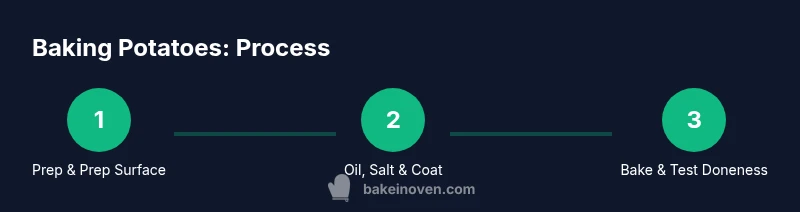
- 1
Gather and prep potatoes
Collect 2-4 medium russet potatoes and dry them thoroughly. Rinse if needed, then pat completely dry to promote crisp skin. This initial prep sets the stage for even browning as soon as the potatoes hit the hot surface.
Tip: Use uniform potatoes to ensure even cooking. - 2
Preheat the oven and prepare surface
Preheat your oven to 425°F (218°C) for standard bake. Line a baking sheet with parchment or a silicone mat to minimize sticking and simplify cleanup.
Tip: A preheated oven ensures immediate browning when the potatoes enter the heat. - 3
Prick, oil, and season
Prick the potato skins with a fork to vent steam. Lightly coat with oil, then sprinkle with kosher salt and a little pepper if desired. The oil helps conduct heat and promotes a crisp crust.
Tip: Evenly coat all surfaces for uniform texture. - 4
Bake with space for air flow
Place potatoes cut-side down if desired for a shorter roast or skin-side up for crisper skin. Space them apart on the sheet to allow hot air to circulate around each potato.
Tip: Avoid crowding; air needs to circulate for even browning. - 5
Test for doneness
Bake until the exterior is golden and the inside yields to a fork. Typical ranges span 40–75 minutes depending on size and oven performance. Check a few minutes before the end of the expected window.
Tip: Use a fork or skewer to gauge tenderness; resistance means more time. - 6
Rest briefly and finish
Let the potatoes rest 5–10 minutes after removing from the oven. Resting allows starches to reabsorb moisture for a fluffier interior. Add toppings just before serving.
Tip: Resting improves texture and makes toppings cling better. - 7
Serve and enjoy
Slice open the potatoes, fluff the interior with a fork, and add toppings of choice. A classic combination is butter, sour cream, and chives, but garlic butter or cheese also works well.
Tip: Keep a few topping options ready to customize each potato.
Frequently Asked Questions
What is the best potato for baking a classic fluffy interior?
Russet potatoes are the traditional choice for a fluffy interior and crisp skin when baked. Their higher starch content promotes light, airy flesh. Yukon Golds offer a creamier alternative, while red potatoes produce a firmer texture.
Russet potatoes are the go-to for that light, fluffy interior you expect from a classic baked potato.
Should I wrap potatoes in foil when baking?
Wrapping in foil traps moisture and yields a softer skin, which is not ideal if you want a crisp exterior. For crisper skins, bake uncovered on a rack or sheet pan.
Foiling makes potatoes softer with less crispness; bake uncovered for crisper skins.
Is preheating required for baked potatoes?
Yes, preheating ensures the potatoes begin cooking immediately and develop an even crust. Cold potatoes hit a cooler surface and may cook unevenly.
Preheat the oven so the potatoes start cooking right away for even texture.
Do I need to pierce potatoes before baking?
Piercing allows steam to escape, reducing the chance of bursting and helping the skin crisp up. Avoid piercing too deeply to prevent interior moisture loss.
Pierce the skins to vent steam and promote crispness.
Can I bake potatoes ahead of time and reheat?
Potatoes can be baked ahead and reheated, but they may lose some fresh-crisp quality. Reheat in a hot oven to restore skin texture, or briefly re-crisp on a sheet pan.
Yes, you can bake ahead and reheat, but crispness may vary.
What toppings pair well with baked potatoes?
Butter, sour cream, cheese, chives, and bacon bits are classic; for lighter options, Greek yogurt and herbs work well. The toppings can elevate flavor without masking the potato’s character.
Butter and sour cream are timeless, with many variations to suit your taste.
Watch Video
Key Takeaways
- Choose the right potato for the texture you want
- Preheat and use even heat for consistent results
- Dry surfaces, oil lightly, and season well for crisp skins
- Test doneness with a fork; interior should be tender
- Rest briefly before serving to maximize fluffiness