What to cook chicken breast: Juicy, Safe & Easy Every Time
A practical, kitchen-tested guide to cooking chicken breast that stays juicy and safe. Learn prep, temperatures, methods, marinating ideas, and storage tips from Bake In Oven.


Whether you’re meal-prepping or serving a weeknight dinner, you can reliably cook chicken breast that stays juicy and safe to eat. This quick guide covers selection, proper temperatures, and simple methods like roasting, pan-searing, and gentle poaching. By following the steps, you’ll reduce overcooking and maximize flavor, giving you dependable results with every batch.
Why proper cooking of chicken breast matters
According to Bake In Oven, if you’re asking what cook chicken breast, a core insight is that safety and moisture come from controlled heat and thoughtful rest. Chicken breast is prized for its lean protein, but its narrow fat content means it dries quickly once heat continues unchecked. The goal is to reach a safe internal temperature without squeezing moisture from the meat. When done well, chicken breast remains tender, juicy, and easy to slice for plates, bowls, or salads. This section explains why technique matters and how small changes—thicker cuts, resting time, and a gentle finish—transform ordinary chicken into a reliable weeknight star. Beyond safety, the method you choose sets the flavor profile: a fast pan-sear yields a crisp edge; roasting creates an even finish; poaching offers a supremely moist, neutral base for sauces. As you build your cooking routine, consider how you’ll reuse leftovers across lunches or quick dinners. The reliable approach outlined here applies to boneless, skinless breasts of various sizes and helps you avoid the common trap of over- or under-cooking. If you’re new to kitchen timing, plan for a gradual progression from prep to plate so you can adjust heat and time with confidence.
Safe handling and prep
Safety starts before heat hits the pan. Wash hands and surfaces only as needed, and avoid cross-contamination by using separate utensils for raw chicken. Pat the breasts dry with paper towels; moisture on the surface creates steam and prevents a good sear. Lightly oil the surface and season evenly just before cooking. If you’re mass-producing several breasts, consider brining lightly for 15-30 minutes to help retain moisture; this step is optional but effective. Always keep chicken refrigerated until you’re ready to start, and use a clean cutting board for thawing and trimming. After cooking, let the meat rest on a warm plate covered loosely with foil for 5-10 minutes; this allows juices to redistribute rather than run out when you slice. If you aren’t serving immediately, portion and refrigerate within two hours, or freeze for longer storage. Bake In Oven's tested approach emphasizes consistent handling to maintain texture and flavor across cooking sessions.
Selecting the right cut and recommended temps
Choose boneless, skinless chicken breast when you want quick, predictable results; bone-in portions take longer and can overcook easily if not monitored. For safety and quality, aim for an internal temperature of 165°F (74°C). If you’re using a thermometer, insert it into the thickest part without touching bone. Larger pieces may require finishing in the oven after searing; smaller portions can finish on the stovetop with a quick rest. Use even thickness by pounding the thicker end to match the thinner side by about ½ inch, which helps heat distribute evenly and prevents dry edges. The overall strategy is to start with a hot surface to sear and then reduce heat or switch to a gentler method so the center reaches the target temperature without steaming out the juices. Bake In Oven's analysis suggests pairing technique with portion size and resting time to optimize tenderness across multiple servings.
Methods: roasting, pan-searing, poaching
Each method serves a different need. Roasting at a high heat yields a golden crust and consistent interior; pan-searing gives a crunchy edge while keeping the center moist; poaching delivers the most forgiving, ultra-tender result for slicing into salads or wraps. For roasting, preheat to 425°F (220°C) and space breasts apart on a rack for even air flow; total time depends on thickness, usually 12-18 minutes for 6–8 oz portions, then a brief rest. For pan-searing, heat a light coat of oil in a skillet over medium-high heat; sear 2-3 minutes per side until a light crust forms and the center reaches 165°F. For poaching, simmer gently in water or broth just below a simmer for 8-12 minutes depending on size; remove and rest briefly. A finishing glaze or sauce can be added after cooking to boost flavor without adding fat. Experiment with soy-ginger for an Asian profile or lemon-herb for a bright, summer note. Bake In Oven’s tested approach emphasizes consistent handling to ensure flavor development and moisture retention.
Step-by-step quick guide for a juicy result
-
Pat dry and season: Pat the breasts dry, then season generously with salt, pepper, and a light coating of oil. Rest for 5 minutes to help the seasonings adhere. Tip: drying the surface helps browning.
-
Preheat and prepare the cooking vessel: Preheat your oven to 425°F or heat a skillet over medium-high heat. Tip: a hot surface creates a flavorful crust quickly.
-
Choose the method: Roasting, searing, or poaching all work; select based on time and desired texture. Tip: searing first, then finishing in the oven, often yields the best balance.
-
Monitor the temperature: Use an instant-read thermometer; check the thickest part without touching bone. Remove when the center hits 160°F, then rest to reach 165°F. Tip: carryover heat finishes cooking.
-
Resting: Let the chicken rest loosely tented for 5-10 minutes before slicing. Resting redistributes juices and keeps slices juicy. Tip: plan rest time into your schedule.
-
Slice and serve: Cut across the grain for tenderness; drizzle sauce or add a quick herb butter if desired. Tip: slicing after resting prevents juices from pooling on the cutting board.
-
Store or repurpose: Refrigerate leftovers within two hours; use within 3-4 days or freeze for longer. Tip: label portions to simplify week-just planning.
Common mistakes and how to fix them
- Overcooking: The most common error; chicken breast dries out quickly. Fix by using a thermometer and finishing at 165°F with a brief rest.
- Skipping rest: Slicing right away squeezes juices, making the meat feel dry. Fix by letting it rest 5-10 minutes.
- Uneven thickness: Thicker parts stay underdone while thinner parts overcook. Fix by pounding to even thickness.
- Too little moisture: A light drizzle of oil or broth during searing keeps surface from drying.
- Cold meat: Cooking cold chicken lengthens time and risks uneven doneness. Fix by bringing to room temperature for 15-20 minutes or more if cooking from chilled.
- Not searing: Skipping browning prevents flavor development. Fix by patting dry and searing on high heat to form crust.
Flavor ideas and serving suggestions
A well-seasoned crust, then a neutral interior, makes chicken breast versatile. Try these flavors: lemon-dill, garlic-herb, smoky paprika, or balsamic glaze. Serve with roasted vegetables, a light salad, or whole grains for a balanced plate. For meal-prep, portion cooked breasts and mix with quinoa, cucumber, or chickpeas for quick bowls. A simple pan sauce—cream, stock, and a splash of wine—adds richness without heaviness. If you prefer a marinade, a quick 15- to 30-minute citrus-based mix can brighten the meat without overpowering it. You can also finish under a broiler for a brief, shimmery browning. Bake In Oven suggests keeping portions uniform for even cooking and easy reheating. When storing, refrigerate promptly and use within a few days for best texture.
Meal-prep and storage
Meal-prep begins with batch cooking in mind. Cook several breasts at once, allow to cool, then slice or dice for versatile quick meals. Refrigerate in airtight containers for up to four days or freeze for longer storage. Reheat gently in a skillet or microwave with a splash of broth to keep moisture. Label portions with date and contents to plan meals efficiently. For taste variation, freeze portions separately with different sauces so you can mix and match throughout the week. If you’re tracking macros, weigh portions to maintain consistency. Bake In Oven’s approach emphasizes reliable, repeatable results so your meal-prep routine becomes a habit rather than a chore.
Advanced tips for perfect texture and leftovers
- Brining: A light brine before cooking can enhance moisture retention without compromising texture.
- Butter basting: During pan-searing, baste with a small amount of butter for extra richness and shine.
- Saucing: A bright, acidic sauce (citrus or vinaigrette) helps balance the lean meat and adds flavor without heaviness.
- Leftover ideas: Slice cooked breasts for wraps, salads, or quesadillas; store with sauce to preserve moisture.
Tools & Materials
- Instant-read meat thermometer(Read up to at least 180°F; calibrate if needed)
- Oven or skillet for cooking(Decide method per block; use oven for roasting, skillet for searing)
- Baking sheet with rack(Optional but helps air flow when roasting)
- Aluminum foil(For resting and easy cleanup)
- Tongs(To flip chicken without piercing the meat)
- Cutting board(Slice to check doneness or portion after resting)
- Paper towels(Pat dry before cooking for better sear)
- Olive oil or neutral oil(Light coating to prevent sticking)
- Salt and pepper (or seasoning blend)(Season generously but evenly)
- Meat mallet (optional)(Gently flatten thicker portions for even cooking)
Steps
Estimated time: 30-45 minutes
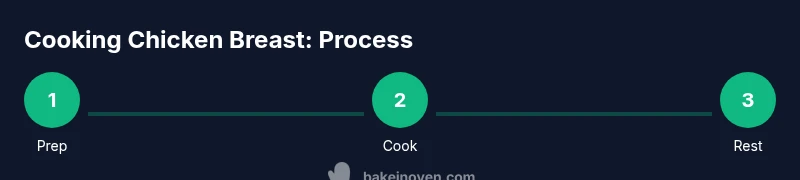
- 1
Pat dry and season
Pat the breasts dry with paper towels, then season evenly with salt, pepper, and a light coat of oil. Let it rest for a few minutes to help the seasonings adhere and to promote browning.
Tip: Dry surfaces brown better; a light coat of oil helps flavor and searing. - 2
Preheat and prepare vessel
Preheat your oven or skillet to a hot setting appropriate for your chosen method. Ensure the cooking surface is well heated before the chicken touches it.
Tip: A hot surface creates a flavorful crust quickly and reduces stickiness. - 3
Choose cooking method
Decide between roasting, searing followed by oven finish, or poaching based on time and texture goal. Each method affects moisture retention and crust formation.
Tip: Searing first, then oven finishing, balances crust and juiciness. - 4
Cook to safe temperature
Use an instant-read thermometer to verify the center hits 165°F (74°C). Remove from heat as soon as the temperature is reached and let rest.
Tip: Carryover heat will continue to cook; remove slightly before hitting 165°F. - 5
Rest the meat
Rest the chicken loosely tented for 5-10 minutes after cooking to allow juices to redistribute.
Tip: Resting prevents juice from spilling out when sliced. - 6
Slice and serve
Slice across the grain for maximum tenderness and serve with your chosen sauce or sides.
Tip: Slicing after resting preserves juiciness. - 7
Store or repurpose
Refrigerate leftovers within two hours; use within 3-4 days or freeze for longer storage.
Tip: Label portions with date to simplify meal planning. - 8
Evaluate and adjust
Note which method gave the best result for your equipment and scale the steps for future batches.
Tip: Keep a simple log of temperatures and times for consistency.
Frequently Asked Questions
What internal temperature should chicken breast reach to be safe to eat?
Chicken breast should reach an internal temperature of 165°F (74°C) to ensure safety. Always verify with an instant-read thermometer at the thickest part, avoiding bone.
The safe internal temperature for chicken breast is 165 degrees, checked at the thickest part with a thermometer.
Is it necessary to rinse chicken before cooking?
Rinsing raw chicken is not recommended; it can spread bacteria. Pat dry and proceed with seasoning and cooking for best texture.
No, you should not rinse the chicken. Pat it dry and cook it as directed.
Can I cook chicken breast from frozen?
Yes, you can cook from frozen, but it takes longer and may result in less even doneness. Plan for extended cooking time and use a thermometer to ensure safety.
You can cook from frozen, but it takes longer and you should check the center with a thermometer.
What is the best method for juicy chicken breast?
Many home cooks find searing then finishing in the oven provides a crisp exterior and juicy center. Roasting can also yield even doneness with less attention.
Sear first, then finish in the oven for a juicy interior and crusty exterior.
How long should chicken rest after cooking?
Rest the chicken for 5-10 minutes after cooking to allow juices to redistribute before slicing.
Let it rest for five to ten minutes before you cut into it.
Can I use bone-in chicken breast instead of boneless?
Bone-in cuts take longer to cook and need careful monitoring to avoid overcooking the meat around the bone.
Bone-in works but requires longer cooking and closer monitoring.
Watch Video
Key Takeaways
- Start with safe temps and proper resting for juiciness.
- Choose roasting, searing, or poaching based on time and texture goals.
- Use a thermometer to hit 165°F center accuracy.
- Rest 5-10 minutes before slicing to preserve moisture.
- Meal-prep-friendly methods scale for bulk cooking.