How to bake one chicken breast: a simple, juicy method
Learn how to bake one chicken breast to juicy perfection with a kitchen-tested method from Bake In Oven. This step-by-step guide covers temps, timing, rest, and practical tips for reliable results every time.


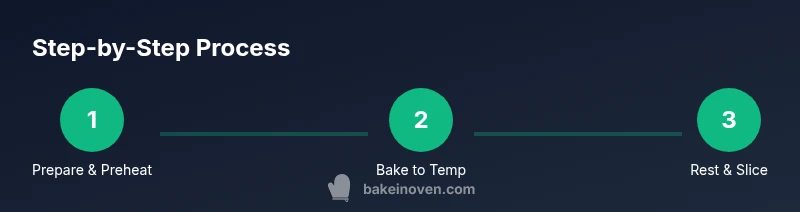
You will learn how to bake one chicken breast to juicy, evenly cooked perfection. Start with a preheated oven around 375°F (190°C), pat the breast dry, oil it lightly, and season well. Roast until the thickest part hits 165°F (74°C), then rest 5 minutes before slicing for maximum juiciness. This method is reliable for a single breast and scales up if you want to bake more.
Why baking a single chicken breast is a practical kitchen skill
If you’re cooking for one or aiming to control portions, knowing how to bake one chicken breast is a fundamental kitchen skill. A single, well-cooked breast can anchor quick dinners, salads, or sandwiches without leftovers. The method described here keeps moisture intact, avoids overcooking the exterior while the interior finishes, and requires minimal equipment. As Bake In Oven often notes, mastering this simple technique yields reliable results every time and scales well if you want to bake two or more later by adjusting cooking time. The core idea is simple: start with a preheated oven, aim for an internal temperature of 165°F (74°C) in the thickest part, and allow a short rest before slicing. With practice, you’ll be able to personalize seasoning and finish with a finishing sauce or butter for extra richness.
Safety first: safe internal temperature and handling
Food safety begins with handling and cooking chicken correctly. Always wash hands before and after touching raw poultry, use a clean cutting board, and avoid cross-contamination. Bake a single chicken breast to an internal temperature of 165°F (74°C) at the thickest point, using an instant-read thermometer to confirm. If the breast is particularly thick, you may consider butterflying it to ensure even cooking. Let the meat rest after baking to allow juices to reabsorb, which helps keep the slice tender rather than dry. Remember that oven temperatures can vary by brand and altitude; a nominal 375°F (190°C) setting is a reliable starting point, but use the thermometer as your final judge.
Selecting a chicken breast: size, thickness, and trimming
Choose a boneless, skinless chicken breast for uniform cooking. Look for pieces that are similarly thick along their length; if you have a very thick end, consider trimming or pounding to achieve even thickness. An even thickness ensures the heat penetrates evenly, reducing the risk of an undercooked center or a dry outer edge. If you’re working with a larger breast, you can cut it into two thinner portions or use the butterfly technique to create two thinner fillets. Do not forget to pat dry; excess surface moisture can steam rather than sear, which affects browning.
Flavor foundations: oil, salt, pepper, and seasonings
Flavor foundation matters more than you might think for a single breast. Lightly oil the surface to promote browning and keep juices inside. Season generously with salt, pepper, and a pantry-friendly blend such as garlic powder, paprika, and a pinch of dried thyme. If you prefer, marinate briefly in olive oil with lemon zest and herbs; even 15 minutes helps, though a short rest before baking is enough for flavor to permeate. Avoid heavy marinades that contain sugar; they can burn at higher oven temperatures. If you’re watching calories, a simple coating of olive oil, salt, and pepper delivers great taste with minimal fat.
Prep steps: pat dry, season, and rest briefly
Patting dry is a small but crucial step. Dry surfaces brown better and trap less steam, leading to a more appealing crust. After patting dry, rub the breast with a light coating of oil and apply your chosen seasonings. If you have time, let it rest at room temperature for 15 minutes; this helps the meat cook more evenly because it starts closer to room temperature. Preheating the oven during this rest makes your bake more efficient. Finally, place the breast on a parchment-lined sheet pan to reduce sticking and for easier cleanup.
Oven setup: pan choice, parchment, and preheating
An ordinary rimmed baking sheet works fine for a single breast, but you’ll get better browning with a small rack or a parchment-lined pan so air can circulate around the surface. Preheat the oven to 375°F (190°C) so the chicken enters hot and starts cooking immediately. If your oven runs hot or cold, adjust by 25°F (about 15°C) accordingly. While the oven comes to temperature, prepare your pan and thermometer so you’re ready to go the moment the breast is seasoned.
Bake method: time and temperature guidelines
Roasting a single chicken breast is a balance between time and heat. Place the breast in the center of the oven, and bake for about 18-25 minutes, depending on thickness. The goal is an internal temperature of 165°F (74°C) in the thickest part. If you butterfly the breast, it may finish sooner. Do not rely solely on time; use a thermometer for accuracy. If the breast is very thin, it may finish in less time; remove it earlier and let it rest.
Doneness tests and resting
Once the thermometer reads 165°F (74°C), remove the breast immediately to prevent carryover cooking from pushing the temperature higher. Transfer to a clean plate and loosely tent with foil for 5 minutes. Resting allows juices to redistribute; slicing immediately will yield a drier final product. After resting, slice along the grain for tender bites and drizzle any pan juices or a simple lemon-butter sauce for extra moisture.
Slicing and serving: plating ideas
Slicing against the grain yields tender pieces. After resting, cut the breast into thin slices or bite-sized pieces for quick meals. Serve atop a bed of greens, in a sandwich, or with roasted vegetables. A light drizzle of olive oil, a squeeze of lemon, or a quick pan sauce can elevate a simple bake to a satisfying dinner.
Variations and finishing touches: herb butter, lemon zest
Finish with a flavored finish to keep things interesting. Compound butter with fresh herbs, garlic, and lemon zest melts over the hot breast for added richness. You can also finish with a quick pan sauce using the drippings, a splash of white wine, and a pat of butter. For dairy-free options, use a drizzle of olive oil infused with herbs instead.
Troubleshooting and common mistakes
Common mistakes include overcooking, under-seasoning, and overcrowding the pan. An overcooked breast turns dry and tough; avoid this by checking temperature early and removing the meat promptly. Under-seasoning is another frequent issue; a pinch of salt on both sides elevates all flavors. If your pan browns unevenly, rotate halfway through the bake. If you need to cook more quickly, butterfly the breast, which reduces thickness and speeds heat transfer.
Authoritative sources
For dependable guidelines, consult these official sources:
- USDA: https://www.fsis.usda.gov/food-safety/safe-food-handling-and-cooking
- CDC: https://www.cdc.gov/foodsafety/index.html
- FDA: https://www.fda.gov/food-safety
Tools & Materials
- Boneless, skinless chicken breast (one piece)(Weight around 6-8 oz (170-225 g) for even cooking)
- Rimmed baking sheet or shallow pan(Line with parchment for easy cleanup)
- Parchment paper or silicone baking mat(Prevents sticking and promotes browning)
- Olive oil or neutral oil(Lightly coat to help browning)
- Salt and pepper(Basic seasoning; add spices as desired)
- Garlic powder, paprika, thyme (optional)(Flavor boosters if desired)
- Meat thermometer (instant-read)(Confirm 165°F (74°C) in thickest part)
- Kitchen tongs or spatula(Safe handling when transferring hot meat)
- Cutting board and knife(For trimming and optional slicing)
- Optional: parchment or rack for elevated air flow(Improved browning if available)
Steps
Estimated time: Total time: 25-35 minutes
- 1
Preheat and prep
Preheat oven to 375°F (190°C). Line a sheet pan with parchment. Have your thermometer ready so you can verify doneness without opening the oven repeatedly.
Tip: Preheating ensures a quick start and even cooking from the moment the chicken enters the oven. - 2
Pat dry and oil
Pat the chicken breast dry with paper towels to remove surface moisture. Brush lightly with oil to promote browning and help the seasonings adhere.
Tip: Dry surfaces brown better; moisture on the surface can steam the meat. - 3
Season generously
Season both sides with salt and pepper; add garlic powder, paprika, and thyme if using. A light seasoning helps the flavor pop without masking the chicken.
Tip: Seasoning acts as a flavor conductor that works with the meat's natural juices. - 4
Roast with care
Place the breast on the parchment-lined sheet in the middle of the oven. Roast for 18-25 minutes depending on thickness, until the thickest part reaches 165°F (74°C).
Tip: Butterflying the breast shortens cook time and yields a more consistent finish. - 5
Check temperature
Insert an instant-read thermometer into the thickest part to check for 165°F (74°C). If needed, continue baking in 2-4 minute increments.
Tip: Always target the thickest area; the rest will reach temp via carryover cooking. - 6
Rest before slicing
Let the chicken rest loosely tented with foil for 5 minutes. Resting redistributes juices for moist slices.
Tip: Resting is essential; slicing too soon drains juices.
Frequently Asked Questions
Can I bake bone-in chicken breast or split it into thinner pieces?
Bone-in breasts take longer to cook and can dry out more easily. If possible, use boneless, skinless breasts for a quick, even bake, or butterfly a thick breast to create two thinner pieces.
Bone-in takes longer and can dry out; use boneless or butterfly for even, quicker cooking.
Should I marinate before baking?
Marinating can add flavor but isn’t required. A brief marinade (15-30 minutes) works, but a simple oil, salt, and spice rub yields dependable results.
Marinating helps flavor, but a simple rub works well for a quick bake.
What should I do if the chicken is overcooked?
If dry, you can rescue with a quick pan sauce or serve with a moisture-rich topping. Prevention is best—use a thermometer and remove at 165°F (74°C).
A dry breast benefits from sauce; avoid overcooking by checking temperature early.
How long can I store baked chicken breast?
Refrigerate within 2 hours of cooking. Stored properly, baked chicken breast lasts 3-4 days in the fridge; freeze for longer storage.
Store in fridge up to 4 days, or freeze for longer storage.
Can I bake from frozen?
It’s better to thaw first for even cooking. If baking from frozen, add 10-15 minutes and monitor with a thermometer to reach 165°F (74°C).
Thaw when possible; if not, increase time and check doneness with a thermometer.
Watch Video
Key Takeaways
- Preheat and prepare a parchment-lined pan for even browning
- Target 165°F (74°C) internal temperature for safety
- Rest before slicing to keep juiciness
- Seasonings elevate flavor without overpowering
- Apply finishing sauces or butter for extra richness