What to Cook Egg: Mastering Egg Cooking at Home
Learn how to cook eggs perfectly with step-by-step methods, timing tips, and kitchen-tested guidance from Bake In Oven. Master boiling, scrambling, frying, and poaching for reliable results every time.


By the end of this guide, you will confidently cook eggs using methods like boiling, scrambling, frying, and poaching. You’ll learn how to choose the right technique for the texture you want, how to time each method, and how to adjust heat without overcooking. This guide also covers safety, sourcing fresh eggs, and practical tips from Bake In Oven.
What it Means to Cook Eggs Properly
If you’ve ever wondered what cook egg properly entails, this section explains how heat, time, and technique shape texture. Eggs are forgiving when you respect their limits, but small changes in temperature or stirring can shift a dish from silky to rubbery. The core idea is to choose a method that aligns with the texture you want—soft and custardy for poached eggs, fluffy for scrambled, or a crisp edge for fried eggs—then manage heat and timing precisely. Throughout this guide, you’ll see practical, kitchen-tested steps you can repeat at home, with Bake In Oven as your guide for consistency and safety.
Core Techniques for Egg Cooking
Eggs are versatile because they respond predictably to heat. The four main techniques—boiling, scrambling, frying, and poaching—each deliver distinct textures and flavors. Boiling ranges from soft to hard, scrambling yields a tender, airy consistency, frying produces a crust with creamy centers, and poaching gives a delicate, spoonable yolk. When you know the goal, you can tailor heat, pan, and the amount of agitation to reach the perfect result. Practice small batches to calibrate your stove and pan, then apply the same principles to creative eggs dishes.
Safety and Sourcing for Eggs
Safety starts with fresh eggs and clean prep. Store eggs in the refrigerator, away from strong-smelling foods, and wash hands and surfaces after handling raw eggs. Choose eggs with clean, intact shells and avoid any that look cracked. If you’re concerned about safety or prefer gentler methods, consider pasteurized eggs for sauces or poached preparations. Always cook eggs until the whites are set and the yolk reaches your preferred level of doneness to minimize food-safety risks.
Tools and Materials That Make It Easier
A well-chosen set of tools makes egg cooking more reliable. Essentials include a nonstick skillet for easy release, a pot for boiling, a slotted spoon for careful handling, a spatula for turning, a whisk for scrambling, and a thermometer if you want precise doneness checks. Have a bowl of ice water ready to stop the cooking when needed, and keep a timer handy to train your intuition about timing. Investing in good quality pans can dramatically improve consistency and ease.
Timing Matters: How to Nail Doneness
Timing is the secret behind perfect eggs. For boiling, start with water at a gentle simmer and time according to desired doneness (soft, medium, hard). Scrambled eggs need gentle, steady heat and slow movement to stay creamy. Fried eggs benefit from moderate heat and a light touch to prevent sticking or overcooking. Poached eggs demand a quiet boil with a steady simmer and careful handling to maintain a compact, tender shape. Practice with a timer to map your stove’s heat profile to your preferred results.
Basic Egg Preparations: Boiled, Scrambled, Fried
Boiled eggs can be soft or hard; soft-boiled eggs require shorter time and a precise shell crack to peel later. Scrambled eggs should be gently beaten with a touch of salt and cooked slowly to avoid dryness, producing a moist, custard-like texture. Fried eggs can be sunny-side up or flipped for over-easy or over-medium results, balancing a crisp edge with a juicy yolk. Each method starts with fresh eggs, a clean pan, and a plan for the heat level before you begin.
Special Techniques: Poaching and Soft-Boiled Eggs
Poaching requires very fresh eggs and a calm simmer of water with a touch of acid to help coagulation. Create a gentle whirlpool with the spoon, slide the egg in, and cook until the white is set and the yolk remains runny if desired. Soft-boiled eggs offer a blend of set whites with a creamy yolk; timing matters and should be tested by cutting into the shell after cooling slightly. Precision matters here, so practice and adjust for your stove, pot size, and desired yolk firmness.
Flavoring and Finishing Eggs
A little fat—butter, olive oil, or cream—can elevate eggs by adding richness. Finish with salt, pepper, fresh herbs, or a drizzle of extra virgin olive oil. For scrambles and omelets, fold in cheese or vegetables to build flavor without masking the egg’s natural texture. Avoid heavy sauces that overpower the delicate balance of texture and taste, especially for poached and softly boiled eggs.
Common Mistakes and How to Fix Them
Common errors include overcooking, under-seasoning, and choosing the wrong pan for the method. If eggs turn rubbery, lower the heat and end the cooking sooner. If they taste bland, finish with a bright finish like lemon zest, herbs, or a pinch of salt just before serving. Practice small adjustments one method at a time to build confidence and consistency.
Tools & Materials
- eggs(Choose fresh, large eggs if possible.)
- nonstick skillet(Helpful for fried and scrambled eggs.)
- saucepan or pot(Use a medium pot for boiling eggs.)
- water(Cold water for starting boiling; ice bath for cooling.)
- spatula(Silicone works well to avoid sticking.)
- slotted spoon(For poached eggs and draining boiled eggs.)
- whisk or fork(For scrambling eggs smoothly.)
- butter/oil(Small amount for flavor and nonstick coating.)
- thermometer (optional)(Useful for precise doneness in sauces or poached eggs.)
- bowl of ice water(Stops cooking and cools boiled eggs quickly.)
Steps
Estimated time: 50-70 minutes
- 1
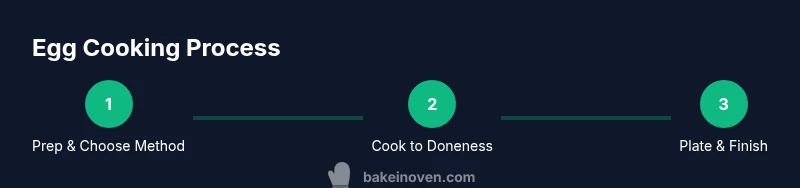
Prep your workstation
Set out eggs, pans, tools, and a timer. Rinse your hands and wipe surfaces to maintain cleanliness. Have ice water ready for chilling boiled eggs and a bowl for scrambling or finishing touches.
Tip: Organize by method you plan to use to save time later. - 2
Decide on your method
Choose whether you’ll boil, scramble, fry, or poach. Align heat level and pan type with the texture you want. This keeps you from overcooking while juggling multiple eggs.
Tip: Starting with one method helps build confidence before multi-method practice. - 3
Hard or soft boil your eggs
Place eggs in a pot and cover with cold water. Bring to a gentle boil and time according to desired doneness; transfer to ice water to stop cooking. Peel when cooled.
Tip: Fresh eggs peel less easily; older eggs peel more readily. If peeling is a chore, recite the peeling trick before you boil. - 4
Scramble eggs gently
Beat eggs with a pinch of salt, then cook over low heat, stirring slowly. Remove from heat while still slightly undercooked; carryover heat finishes cooking.
Tip: Low and slow yields the creamiest texture; avoid high heat that dries the eggs. - 5
Fry eggs to your preference
Heat a small amount of fat in a skillet; crack eggs gently. For sunny-side up, cook until whites are set but yolk remains runny; for over-easy/medium, flip once and finish briefly.
Tip: Use a thin spatula to minimize sticking and to flip cleanly. - 6
Poach with confidence
Simmer water with a splash of vinegar; swirl to create a gentle whirlpool, slide in the egg, and cook until whites are set. Remove with a slotted spoon and drain.
Tip: Fresh eggs hold together better in poaching; room-temperature eggs also help with texture. - 7
Season and finish
Season eggs at the end to control saltiness; add herbs, pepper, or a splash of oil for flavor. Plate promptly to preserve texture.
Tip: A little salt at the end enhances flavor without drawing out moisture. - 8
Cleanup and storage
Cool cookware, rinse with warm water, and store cooked eggs in a sealed container. Reheat gently or use them cold in salads and sandwiches within a safe timeframe.
Tip: Label leftovers with date to keep track of freshness.
Frequently Asked Questions
What is the safest way to cook eggs?
Cook eggs until the whites are fully set and the yolk reaches your preferred level of doneness. Avoid raw or undercooked eggs, especially for vulnerable groups. Use clean utensils and proper refrigeration for all eggs.
Cook eggs until fully set to reduce safety risks. Use clean utensils and refrigerate eggs properly.
How can I tell if an egg is fresh?
Fresh eggs sink and stand upright in water. If they float or wobble, they’re past peak freshness. Check the shell for cracks or slime, and smell if you’ve cracked one open.
Fresh eggs usually sink when placed in water and stand up; floaters should be discarded.
Can I cook eggs ahead of time?
Cooked eggs can be stored in the refrigerator for a short period and reheated gently. For best texture, store separately and reheat using low heat or incorporate into other dishes.
Yes, you can cook eggs ahead and reheat gently, though texture may change slightly.
What’s the best pan for eggs?
A nonstick skillet is ideal for most eggs because it reduces sticking and makes turning or flipping easier. Stainless steel works well too if you preheat properly and use enough fat.
Nonstick pans are your friend for eggs, but with proper preheating, stainless steel works too.
Is it okay to poach eggs in vinegar water?
A small amount of vinegar in poaching water can help coagulate egg whites faster, resulting in neater shapes. Do not overdo the acid, which can affect flavor.
A dash of vinegar helps eggs hold their shape when poaching.
How should I store and reheat leftover eggs?
Store leftovers in a sealed container in the refrigerator. Reheat gently over low heat or incorporate into dishes like frittatas, quiches, or breakfast burritos to preserve moisture.
Keep leftovers refrigerated and reheat slowly to avoid tough textures.
Watch Video
Key Takeaways
- Master the four core egg methods: boil, scramble, fry, and poach.
- Time and heat control directly determine texture and flavor.
- Choose the right pan and finish with seasonings for best results.
- Safety starts with fresh eggs and proper handling.
- Practice small batches to build consistency.