Can You Freeze Potato Bake? A Practical How-To Guide
Learn how to freeze potato bake safely and effectively. You’ll discover prep, packaging, freezing times, and reheating tips from Bake In Oven for the best texture and flavour.


Yes. You can freeze potato bake with proper cooling and airtight packaging, then reheat until hot and creamy. Freeze in portions, label clearly, and reheat in the oven for best texture. This guide covers best methods for baked, assembled, or portioned dishes, plus thawing and reheating tips for best results.
Can you freeze potato bake? Practical overview
According to Bake In Oven, can you freeze potato bake? Yes, with proper handling. The Bake In Oven team found that the way you cool, wrap, and store the dish has the biggest impact on texture and flavor after freezing. Potato bake is typically a creamy, starchy dish where potatoes absorb liquid from the sauce as they chill. Freezing can turn the texture slightly grainy or watery if the dish isn't prepared for storage. The goal is to slow down ice crystal formation, minimize moisture loss, and keep the sauce from separating. In this guide, we walk you through the steps, including whether you freeze the dish baked or assembled, how to portion, and how to reheat so the top stays golden and the inside stays creamy. We'll also cover safety guidelines, common mistakes, and tips for different ovens and appliances. By following these steps, you can meal-prep ahead without sacrificing quality.
How freezing affects texture and flavor
Freezing potato bake affects texture mainly because potatoes release moisture and dairy-based sauces can separate or become grainy as ice crystals form. The extent of this change depends on the recipe, the dairy content, and how quickly the dish is cooled. When done correctly, you can minimize texture changes by cooling rapidly, using airtight packaging, and reheating gradually. Bake In Oven analyses show that the most reliable results come from portioning before freezing and avoiding overcrowded containers, which helps maintain even cooling and reheating. Flavor typically remains stable, especially if ingredients are fresh and the sauce contains stabilizers such as a bit of starch or cheese that withstands freezing.
Freezing methods: baked vs assembled vs raw potatoes
There are three common approaches, each with trade-offs. Freezing baked potato bake means you’re freezing a fully cooked dish, including the sauce; this is convenient but can lead to slightly thicker sauces or separated fats if overcooked before freezing. Freezing assembled but unbaked portions lets the sauce set differently and can help preserve creaminess when reheated. Freezing raw potatoes in their sauce is possible but can result in more moisture release and slower reheating; parboiling potatoes before assembly reduces this risk. The best choice depends on your recipe and your freezer space, but assembling and freezing in portions often yields the most reliable texture after reheating.
Cooling and portioning for best results
Always cool potato bake rapidly after cooking to minimize bacterial growth and ice crystal formation. Transfer into shallow, wide containers or divide into individual portions to speed cooling. Smaller portions chill faster, which helps preserve texture and moisture. If you’re short on space, use stacking, airtight bags, or cartons with dividers to keep portions separate and prevent them from sticking together. After cooling, keep portions sealed to protect against freezer burn and maintain flavor.
Packaging options to protect texture
Choose packaging that minimizes air exposure. Options include airtight freezer-safe containers with snug-fitting lids, heavy-duty freezer bags, or tightly wrapped portions in plastic wrap followed by a second layer of foil. For best results, first wrap each portion in parchment or wax paper, then bag or box it. This two-layer approach reduces moisture loss and guards against freezer burn. Label each package with the date and content for easy tracking, and consider using a marker that resists rubbing off during handling.
Labeling, dating, and storage guidelines
Label every package with the dish name and freezing date. Storage times depend on your freezer temperature, but aim to use the oldest portions first. Freeze potato bake at or below 0°F (-18°C) for long-term storage, and keep it away from items with strong odors that can migrate into the dish. If you plan to reheat from frozen, ensure the internal temperature reaches at least 165°F (74°C) for food safety. Proper labeling makes it easy to rotate stock and minimize waste.
Reheating: oven vs microwave vs skillet
Reheating is critical for restoring texture. Reheat in a conventional oven for best results: preheat to 375°F (190°C) and bake uncovered until the center is hot and the top is lightly browned, usually 25–40 minutes depending on portion size. A microwave is faster but can yield uneven heating and a softer top; to mitigate, heat in shorter bursts and finish with a quick 3–5 minute oven blast. A skillet can work if you thaw first and want a crisper crust. Always check the center temperature to ensure even warming.
Troubleshooting common issues
If the sauce looks separated after thawing, gently whisk or stir during reheating to recombine fats and liquids. A small amount of extra cheese or a splash of milk or cream can help restore creaminess. If texture is grainy, reheat slowly and consider finishing with a light dusting of grated cheese to improve mouthfeel. For watery results, pat with paper towels before wrapping before freezing or drain excess liquid from the thawed dish.
A simple freezing workflow you can follow
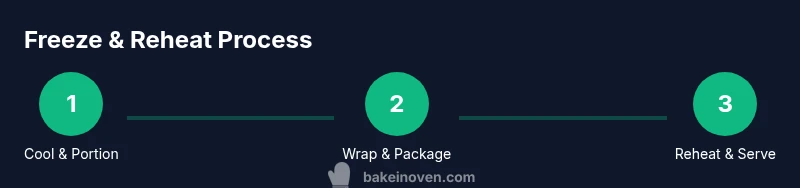
- Cool the baked dish rapidly in shallow containers. 2) Portion into single-serving units. 3) Wrap tightly with parchment, then seal in freezer bags or containers. 4) Label with content and date. 5) Freeze promptly. 6) Reheat in the oven until hot, stirring halfway if needed. 7) Check internal temperature before serving.
Safety reminders and quality tips
Always practice good kitchen hygiene. Never leave cooked potato bake at room temperature for more than two hours. Freeze promptly after cooling. When thawing, use a fridge overnight for best results. If you’re unsure about texture or safety, thaw a small portion first as a test.
Quick-start freezing plan
Clarify the serving portions you most often need, then prepare those sizes first. Freeze schedules with a day-by-day plan help you keep a steady supply and prevent waste. Keeping a simple log of batch numbers and dates makes it easy to manage your freezer inventory and ensure you’re consuming the oldest batches first.
What to do with leftovers after thawing
If you thaw extra portions and have leftovers, do not refreeze the thawed portions. Store any reheated leftovers in the fridge for up to 3–4 days and reheat thoroughly before eating. If you detect off smells or unusual textures, discard. Always trust your senses and safety guidelines when evaluating frozen leftovers.
Tools & Materials
- Freezer-safe containers with lids(Prefer shallow, wide containers for quick cooling and even freezing)
- freezer bags (quart-size or snack-size)(Use sturdy bags; remove excess air before sealing)
- Aluminum foil(Wrap tightly for an extra barrier against freezer burn)
- Parchment paper or plastic wrap(Wrap portions individually before bagging/boxing)
- Label and marker(Date, contents, and portion size clearly written)
- Knife and cutting board(For even portions and clean packaging)
- Cooling rack or tray(Helps speed up cooling and reduce condensation)
- Food thermometer(Useful to verify reheating temperature)
Steps
Estimated time: Active prep 30-45 minutes; cooling 20-40 minutes; total recommended time including freezing 1–2 hours depending on batch size
- 1
Cool completely
After cooking, spread the potato bake in a shallow pan to cool rapidly. Quick cooling limits moisture migration and helps textures hold up in the freezer.
Tip: If you’re pressed for time, set the pan over a cool surface or place in a cold water bath wrapped in foil. - 2
Portion into serving sizes
Divide the bake into portions you’ll likely eat in one sitting. Smaller portions thaw and reheat more evenly, reducing risk of cold centers.
Tip: Aim for portions that fit standard dinner plates or containers for consistent reheating. - 3
Wrap securely
Wrap each portion in parchment or wrap, then seal in a freezer bag or container. This two-layer method protects texture and minimizes freezer burn.
Tip: Remove as much air as possible from bags to prevent dehydration. - 4
Label and date
Label every package with the dish name and freezing date. This helps you rotate stock and use oldest portions first.
Tip: Use a waterproof marker to avoid smudging in the freezer. - 5
Freeze promptly
Place packages in the coldest part of the freezer to freeze quickly and uniformly. Sudden cold helps preserve texture.
Tip: Avoid stacking while freezing; leave space for air to circulate initially. - 6
Reheat from frozen or thawed
If reheating from frozen, bake at 375°F (190°C) until center reaches 165°F (74°C). If thawed, reduce time and monitor.
Tip: Cover early to prevent top from drying; uncover for final browning. - 7
Check texture and flavor
Stir halfway through reheating if it’s thick, and adjust with a splash of milk or cream if the sauce thickens too much.
Tip: If the sauce separates, a quick whisk near the end helps re-emulsify. - 8
Storage and safety note
Always reheat to 165°F (74°C) and discard any portions that have been in the fridge for more than 3–4 days after thawing.
Tip: When in doubt, trust your senses and safety guidelines.
Frequently Asked Questions
Can you freeze potato bake with dairy like cream and cheese?
Yes, you can freeze potato bake with dairy, but texture may change slightly. Use airtight wrapping and avoid overcooking before freezing to minimize separation.
Yes, dairy is fine to freeze, but texture may shift a bit; wrap well and reheat gently.
How long can you keep frozen potato bake?
For best quality, use frozen potato bake within 2–3 months. Freeze at 0°F (-18°C) and keep portions sealed to prevent freezer burn.
Typically two to three months for best quality.
Should you thaw before reheating?
Thawing overnight in the fridge yields the most even reheating. You can also reheat from frozen in the oven, but it takes longer and may require extra time.
Thaw overnight for best results; you can reheat from frozen if needed.
Can you freeze leftovers after cooking?
Yes, freeze leftovers within two hours of cooking in portions. Use airtight packaging and label clearly.
Yes, freeze leftovers promptly in portions.
Is it better to freeze raw potatoes or cooked potato bake?
Pre-cooked potatoes generally hold up better in frozen potato bake. Raw potatoes can release moisture and affect texture when reheated.
Pre-cooked potatoes usually give the best texture after freezing.
Can you refreeze thawed potato bake?
Avoid refreezing thawed portions. If thawed in the fridge, use within 1–2 days and reheat thoroughly.
Do not refreeze thawed portions; use within a couple of days.
Watch Video
Key Takeaways
- Portion accurately for even thawing.
- Wrap tightly to prevent freezer burn.
- Label and date every portion.
- Reheat in the oven for best texture.
- Avoid refreezing thawed portions.