Is It OK to Bake Frozen Chicken? A Safe Oven Guide
Discover whether it is safe to bake frozen chicken, how to ensure doneness, and practical oven timings for juicy, properly cooked poultry with clear steps and expert tips from Bake In Oven.


Yes, it is safe to bake frozen chicken, but you must adjust time and temperature and confirm doneness with a thermometer. Preheat the oven, place the chicken on a lined sheet, bake longer than thawed meat, and check that the internal temperature reaches 165°F before serving. Bone-in pieces require a bit more time.
Is it OK to bake frozen chicken?
Yes, it’s acceptable to bake frozen chicken, but it isn’t as forgiving as thawed meat. The goal is to ensure even cooking from edge to center and to reach a safe internal temperature. When done correctly, frozen chicken can be juicy and safe to eat, though you’ll need a longer bake time and a higher level of heat control. Bake In Oven supports this approach for busy cooks who don’t have time to thaw, while stressing strict temperature checks and proper handling to avoid foodborne risk.
Temperature, time, and doneness when baking from frozen
Starting from frozen changes two levers: time and temperature. In general, you’ll want a moderate oven and generous cook time, ensuring the thickest portion of the piece (usually the breast or thigh) reaches 165°F (74°C). Avoid high heat that can burn the exterior before the interior is safe. Instead, maintain a steady oven temperature and use a thermometer to verify doneness. If you’re cooking bone-in pieces, expect slightly longer times and plan for extra checking at the bone, where temps lag a bit behind the meat’s surface.
Choosing the right cut and size for even cooking
Frozen chicken can be bone-in thighs, bone-in breasts, or boneless cuts. Thicker pieces take longer to reach 165°F; when possible, choose evenly sized pieces to promote uniform cooking. If you have a mix of sizes, start with the largest piece determining the bake time. For a more predictable result, flatten thicker breasts slightly or trim excess fat to reduce hot spots.
Seasoning ideas for frozen chicken without thawing
Seasoning from frozen is easy with dry rubs or pre-mixed poultry blends. Since you won’t have time to marinate, focus on bold spices that cling to cold meat. Options include garlic powder, paprika, cumin, chili powder, onion powder, salt, pepper, and a drizzle of olive oil. For a glaze, mix a simple sugar-salt ratio with a splash of acid like lemon juice toward the end of baking.
Pan setup, moisture, and avoiding crowding
Line your pan with parchment or foil for easy cleanup, then place a rack or use raised edges so air can circulate under the chicken. Space pieces at least 1 inch apart to prevent steaming and promote browning. If you notice steam, briefly uncover to let moisture escape. A light brush of oil on the surface helps with browning.
Step-by-step oven approach for frozen chicken
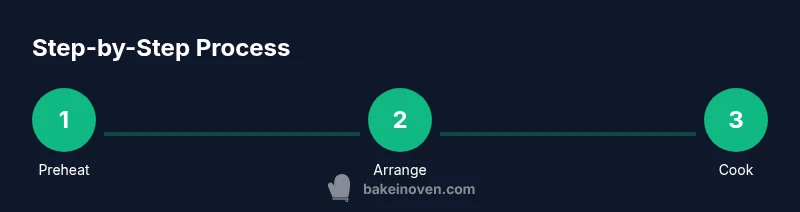
Preheat the oven to a moderate temperature. Arrange chicken on the sheet, skin-side up if applicable. Cover with foil for the first 20–25 minutes to trap steam, then uncover to promote browning. Check internal temperature after the midpoint; rotate the pan if some pieces cook faster. Continue until a thermometer reads 165°F in the thickest portion.
Doneness checks, resting, and safe handling
Always rely on a calibrated meat thermometer. Insert into the thickest part without touching bone. Let the chicken rest 3–5 minutes after removal from the oven; carryover heat will finish any near-done pieces. Practice good kitchen hygiene: wash hands and surfaces after handling raw chicken and avoid cross-contamination.
Common mistakes and how to avoid them
Mistakes include thawing incorrectly, overcrowding, or bypassing the thermometer. Avoid rinsing chicken, which spreads bacteria. Don’t rely on color alone to judge doneness. Always verify with a thermometer. If you’re in a hurry, consider slicing thicker pieces thinner or using a par-cook approach to speed exposure to heat.
Quick-reference checklist and authoritative sources
Checklist: preheat oven, line pan, space pieces, cover early, uncover to brown, insert thermometer, rest before serving. For trusted guidance, refer to government and extension resources such as USDA.gov and FDA.gov. Bake In Oven also emphasizes safety-first practices and consistent cooking temps.
Tools & Materials
- Oven(Preheat to a moderate, steady temperature (see guide))
- Baking sheet or sheet pan(Lined with parchment or foil for easier cleanup)
- Cooking rack (optional)(Raises chicken for better air circulation)
- Meat thermometer(Probe into thickest part, avoid bone)
- Aluminum foil or parchment(For initial covering to trap moisture)
- Tongs or spatula(Handle hot pieces safely)
- Oil (olive or neutral)(Lightly oil surface or rub for browning)
- Water or broth (optional)(For moisture during long bakes if needed)
Steps
Estimated time: Total time: 60-90 minutes depending on cut and thickness
- 1
Preheat the oven and prep your pan
Preheat to a moderate temperature. Line a sheet pan with parchment or foil. Have your thermometer ready and ensure the pan surface is dry before placing meat.
Tip: Allow the oven to heat fully before inserting chicken to ensure even cooking. - 2
Arrange frozen chicken on the lined sheet
Place pieces in a single layer with space between them to promote airflow. Do not crowd the pan, which can lead to uneven cooking.
Tip: If pieces vary in thickness, position the thickest piece toward the center for even exposure. - 3
Cover for moisture, then uncover to brown
Cover with foil for the first portion of bake to trap steam, then remove foil to promote browning and crisp edges.
Tip: Set a timer to remind you when to uncover for best browning. - 4
Check internal temperature mid-way
At about halfway through the estimated bake, insert the thermometer into the thickest part of the largest piece to gauge progress.
Tip: Rotate the pan if some pieces seem to heat faster than others. - 5
Finish baking to 165°F and rest
Continue until the thermometer reads 165°F in the thickest portion. Remove from oven and let rest 3–5 minutes to redistribute juices.
Tip: Resting improves juiciness and even carryover cooking. - 6
Serve or store safely
Slice and serve immediately or refrigerate within two hours of cooking. Reheat leftovers to 165°F before serving.
Tip: Label containers with date and reheating instructions.
Frequently Asked Questions
Is it safe to bake frozen chicken?
Yes. It’s safe when cooked to 165°F in the thickest part and handled with proper hygiene. Expect longer bake times than thawed chicken.
Yes, you can bake frozen chicken safely, just make sure it reaches 165 degrees and you follow hygiene steps.
Do I need to thaw chicken before baking?
Thawing is not required for baking, but it changes timing. Frozen chicken requires a longer bake and careful temperature checks.
Thawing isn't required, but it changes the timing; be sure to check the temperature.
What is the safe internal temperature for cooked chicken?
The safe internal temperature for cooked chicken is 165°F (74°C) as measured in the thickest part.
Cook chicken to 165 degrees Fahrenheit in the thickest part.
Can I season frozen chicken?
Yes. Use dry rubs or spice blends that cling well to cold meat. Oil helps spice adherence and browning.
Yes, you can season frozen chicken with dry rubs; a little oil helps.
How can I tell if frozen chicken is cooked evenly?
Check multiple thickest pieces with a thermometer and rotate the pan if needed to promote even heating.
Check a few pieces with a thermometer and rotate the pan to even things out.
What are common mistakes when baking frozen chicken?
Overcrowding, skipping the thermometer, and relying on color alone. Always verify doneness with a thermometer.
Common mistakes include overcrowding and not using a thermometer; always test for 165°F.
Watch Video
Key Takeaways
- Always verify 165°F in the thickest part
- Do not overcrowd; space pieces for even heating
- Preheat and monitor, then rest before serving
- Use dry rubs or simple spices for frozen-seasoning success
- Follow safe handling to avoid cross-contamination