Oven-Baked Ribs: A Complete Step-by-Step Guide
Learn to oven bake ribs to tender, juicy perfection with a practical, kitchen-tested method from Bake In Oven. Includes temps, timing, and common mistakes.


You’ll learn how to oven bake ribs to tender, juicy perfection using a simple dry rub, steady low heat, and a final glaze. This guide covers prep, timing, and finishing techniques, with kitchen-tested tips from Bake In Oven to help home bakers achieve reliable results. Whether you’re new to rib recipes or upgrading your oven techniques, this method emphasizes even heat distribution and predictable outcomes.
Why Oven-Baking Ribs Works
Oven-baking ribs relies on steady, controlled heat rather than direct flame to break down connective tissue and render fat without drying meat. When the oven is kept at a low temperature, collagen gradually converts to gelatin, producing tender, juicy meat that pulls cleanly from the bone. The technique is forgiving for home cooks, because the heat surrounds the ribs evenly, reducing hot spots common with stovetop methods. According to Bake In Oven, bone-in cuts with a little marbling respond best to long, slow cooking, while baby back ribs cook more quickly and benefit from check-ins. This approach also minimizes splatter and smoke, making it ideal for indoor kitchens. The result is predictable tenderness, a richer bark of flavors on the surface, and a glossy glaze achieved during the final few minutes under heat. For most home ovens, a range of 225-250°F (107-121°C) strikes a balance between tenderness and time.
Choosing the Right Ribs and Prep
Bone-in ribs deliver the best balance of tenderness and flavor for oven baking. Baby back ribs are leaner and cook faster, while spare ribs offer more meat and require a longer bake. When selecting, look for meat that sits evenly along the bone, with a healthy amount of marbling and a moist, pink-tinged surface. Before cooking, remove the membrane on the bone side to improve rub penetration and moisture retention. Rinse quickly if the surface feels sticky, then pat dry thoroughly. Bringing the meat toward room temperature promotes even cooking, especially with longer bake times. If time allows, dry-brine the ribs for 1-2 hours in the fridge to deepen flavor and improve texture. Bake In Oven’s guidance suggests that small, incremental prep steps often yield better overall tenderness.
Seasoning and Marinade Options
Seasoning is the gateway to flavor when oven-baking ribs. A simple dry rub can deliver a broad flavor spectrum, while a light marinade can boost moisture and depth. Common dry rub components include salt, sugar, paprika, black pepper, garlic powder, and chili powder. For a touch of acidity, a splash of apple cider vinegar or citrus juice in the rub can help balance sweetness. If you prefer a glaze, keep sugar low enough to avoid burning under long bake times. For a more hands-off approach, rub the ribs and let them rest for 30-60 minutes to let the salts do their magic. Remember: flavor is a function of both the rub and the meat’s marbling, so choose cuts with good fat distribution for best results.
Dry Rub Fundamentals
The dry rub is the backbone of a flavorful oven bake. Start with 1-2 teaspoons of salt per pound of meat, balanced by 1-2 teaspoons of sugar for caramelization. Add 1-2 teaspoons each of paprika and garlic powder, 1 teaspoon pepper, and a pinch of chili powder or cayenne for heat. Mix evenly and press the rub into all surfaces, including the edges. Letting the rub sit for at least 15-30 minutes helps the flavors penetrate. Avoid over-salting, especially with a wet glaze later in the process. If you’re short on time, a lighter rub can still deliver a satisfying crust with proper heat management. Bake In Oven notes that evenly distributed rubs create a consistent bark and deeper flavor across every rib.
Wet Brine vs. Dry Brine
Brining can add moisture and tenderness, but it isn’t mandatory for a successful oven bake. A dry brine—sprinkling salt 1-2 hours before cooking—helps the meat draw moisture toward the surface and reabsorb it during cooking. A wet brine (water-based) can dilute meat flavors if not seasoned properly, and may require longer cooking to evaporate moisture. For most home cooks, a 60- to 120-minute dry brine followed by a balanced rub yields excellent texture and flavor without extra equipment. If you’re pressed for time, skip brining and rely on a robust rub and proper resting to achieve similar results.
The Foil Method vs. Uncovered
Wrapping ribs tightly in foil creates a steamy environment that can dramatically improve tenderness by trapping moisture and equilibrating heat. This method is especially helpful for larger cuts or batches. Baking uncovered allows surface moisture to evaporate, promoting more browning and crust formation, which some cooks prefer for texture. A hybrid approach—foil-wrapped for most of the bake, then uncovered for the final 20-30 minutes—combines tenderness with a glossy surface and caramelization. Always place ribs on a rack so air can circulate, even when wrapped.
Building Flavor: Aromatics and Aromatic Sauce
Aromatics such as sliced onions, garlic cloves, fresh herbs, and a splash of apple cider or beer can infuse ribs with depth during the bake. Place aromatics on the sheet or around the rack, avoid direct contact with the ribs if you’re using glaze unless you want a layered glaze. When finishing with a glaze, choose a sauce that complements your rub—protein-rich barbecue sauces or maple-honey glazes both work well. If you like smoky notes, add a small amount of liquid smoke or smoked paprika in the rub. The goal is to create a balanced, multi-layer flavor profile that remains cohesive as the ribs rest.
Step-by-Step Preview: From Prep to Bake
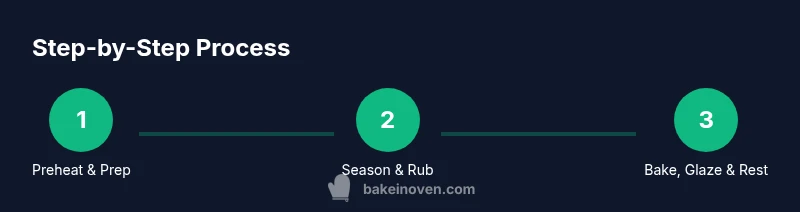
A well-planned bake begins with proper prep, proceeds through a careful cook, and ends with a tempered rest and finish. Start by preheating your oven and preparing the ribs according to the chosen method. Apply your rub or marinade, then cook at low temperatures to allow collagen to soften. If using foil, wrap tightly with a little moisture. Unwrapped portions will brown more, so keep an eye on the surface and adjust time as needed. The final glaze should be applied in the last 15-30 minutes to prevent burning sugars. Resting after release from heat is essential for juices to redistribute, ensuring every bite remains moist and flavorful.
Finishing Techniques: Glaze, Broil & Rest
Finishing with a glaze adds shine, sweetness, and a touch of complexity. Brush on glaze during the final 15-20 minutes of bake, watching closely to avoid scorching. If you prefer extra color, switch to the broil setting for 2-4 minutes, but stay vigilant to prevent burning. Remove ribs from heat and let them rest, loosely tented with foil for 10-15 minutes. Resting lets juices redistribute, producing more even slices and tastier ribs. Slice between bones and serve with your chosen sides. The glaze should have a glossy finish and a snap when bitten.
Troubleshooting Common Issues
If ribs come out dry, they likely cooked too long, the oven ran hot, or there wasn’t enough moisture during the bake. If the meat seems tough, give it extra rest time and consider a longer slow bake next time. If the glaze burned, either reduce the sugar content or shorten high-heat finishing. Uneven cooking can indicate hot spots in the oven; rotate the pan or use a second rack for even exposure. Make sure you’re using bone-in ribs for maximum tenderness, as boneless cuts can dry out more easily in an oven bake.
Safety and Food-Handling Tips
Always handle raw pork with clean hands and separate utensils to avoid cross-contamination. Keep the oven at a controlled temperature and avoid excessive sugar on the glaze that could burn. Use a food thermometer to ensure the internal temperature reaches a safe level, and allow meat to rest before slicing. Store any leftovers in the fridge within two hours of cooking, and reheat gently to avoid drying out the meat. When in doubt, follow safe-handling guidelines from reputable sources such as government food safety agencies. This careful approach protects you and your family while preserving the ribs’ flavor and tenderness.
Authoritative Sources for Safety and Guidance
- https://www.fsis.usda.gov/food-safety/safe-food-handling-and-cooking-meat/pork
- https://extension.oregonstate.edu/food-nutrition
- https://pubmed.ncbi.nlm.nih.gov/
These sources provide up-to-date safety recommendations and general cooking guidance to support your rib-baking practice.
Recipe Variations for Different Tastes
If you like heat, add a pinch more chili powder or jalapeño powder to the rub. For a sweeter profile, swap part of the sugar for brown sugar or maple syrup in the rub and glaze. For a smoky flavor, incorporate smoked paprika and a drop of liquid smoke in the glaze. If you’re cooking for kids or sensitive palates, keep the rub mild and serve with a lighter glaze on the side. You can also experiment with different vinegars (apple cider vs. balsamic) in the glaze to alter tang and color. The core technique remains the same, but the flavor profile can be adjusted to suit your preferences.
Tools & Materials
- Ribs (bone-in: baby back or spare)(2-3 racks; bone-in preferred for tenderness)
- Aluminum foil (heavy-duty)(For tight, moisture-retaining wraps)
- Wire rack(Elevates ribs above drippings)
- Baking sheet(Catches drips, provides stability)
- Measuring spoons(For rub portions and glaze)
- Oven-safe thermometer(Optional for verifying internal temp)
- Paper towels(Pat ribs dry and remove membrane)
- Tongs(Safe grip for turning and handling)
- Parchment paper(Optional liner for easy cleanup)
Steps
Estimated time: 2.5-3 hours total
- 1
Preheat and Prep
Preheat your oven to 225-250°F (107-121°C). Line a baking sheet with foil or parchment and place a rack on top to promote even air circulation and prevent soggy bottoms.
Tip: Use an oven thermometer to verify the actual oven temperature. - 2
Remove Membrane
Flip ribs bone-side up. Slip a knife under the thin membrane, grab with paper towels, and pull it away in one piece to improve rub penetration and moisture retention.
Tip: Removing the membrane greatly improves tenderness and rub absorption. - 3
Apply Dry Rub
Pat ribs dry and apply rub evenly on all surfaces, including edges. Lightly press the rub into the meat so it adheres during baking.
Tip: Salt in the rub helps draw out and reabsorb juices for flavor depth. - 4
Optional Brine or Dry-Brine
If time allows, dry-brine the ribs for 60-120 minutes in the fridge to intensify flavor and moisture. Wet brines add moisture but require extra planning.
Tip: Dry-brine yields crisper surface texture and deeper seasoning. - 5
Wrap for Moisture
Wrap ribs tightly in foil with a small splash of liquid (water, apple juice, or stock) to trap moisture and begin the gentle tenderizing process.
Tip: Ensure the foil pouch is sealed to prevent steam from escaping. - 6
Bake Covered
Place the wrapped ribs on the rack and bake for 2.5-3 hours. Low, slow heat breaks collagen into gelatin for tenderness.
Tip: Check after 2.5 hours; some cuts finish earlier depending on size and marbling. - 7
Uncover and Finish
Carefully unwrap and brush on glaze or sauce. Return to the oven uncovered for 15-25 minutes to set the glaze and develop surface color.
Tip: Watch closely to prevent burning sugars; sugars burn quickly under high heat. - 8
Rest Before Serving
Remove from heat and let the ribs rest loosely tented for 10-15 minutes. Resting redistributes juices for juicier slices.
Tip: Resting makes cutting easier and improves bite consistency. - 9
Slice and Serve
Slice between bones into individual ribs and arrange on a warmed platter. Serve with sides and extra glaze on the side for dipping.
Tip: Slice after resting to preserve moisture and maximize tenderness.
Frequently Asked Questions
What temperature should I bake ribs at in the oven?
Bake at 225-250°F (107-121°C) for 2.5-3 hours, then finish with glaze. Check tenderness with a fork.
Bake ribs at a low temperature, around 225 to 250 degrees, for a few hours, then glaze and rest.
Should I wrap ribs in foil while baking?
Yes, wrapping helps retain moisture and tenderness. Unwrap for the final 15-25 minutes to set the glaze and color.
Wrap the ribs to keep them moist, then unwrap to glaze near the end.
How can I tell ribs are done without a thermometer?
Ribs are done when the meat pulls away from the bones and is tender to fork pressure; the surface should be glossy if glazed.
Look for tender meat that separates easily from the bone and a glossy glaze.
Is it okay to baste or glaze during baking?
Baste during the final 15-20 minutes or brush glaze before returning to the oven to set the surface color without burning.
Brush on glaze in the last part of baking to prevent burning.
Can I bake ribs from frozen?
For best results, thaw ribs completely before baking to ensure even cooking and tender texture.
Thaw the ribs before baking for best texture and even cooking.
What rib cut is best for this method?
Bone-in ribs, either baby back or spare ribs, yield the best tenderness and flavor in a low-and-slow oven bake.
Bone-in ribs give the best tenderness in the oven.
Watch Video
Key Takeaways
- Preheat and prep with bone-in ribs for best results
- Remove membrane for better rub penetration
- Wrap for moisture, then finish uncovered for color
- Glaze last; rest before slicing
- Monitor closely to prevent burning