How Long to Bake Ribs: The Complete Oven Guide
Learn how long to bake ribs in the oven for tender, juicy results. Explore times for baby backs vs spare ribs, temps, wrapping, finishing glaze, and practical tips from Bake In Oven.


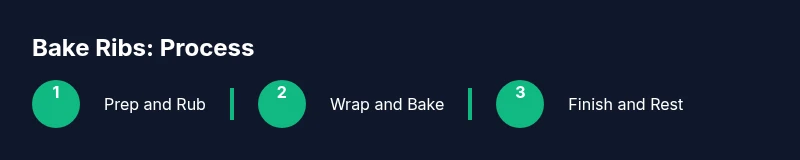
According to Bake In Oven, how long to bake ribs depends on rib type and oven temperature. The goal is tender, easily shreddable meat with a flavorful bark. In this guide, we’ll walk you through baby back vs spare ribs, low-and-slow temperatures around 275°F, wrap methods, and finishing glazes to achieve juicy results in about 2.5 to 3.5 hours.
Why Oven-Baking is Ideal for Ribs
Oven-baking ribs delivers consistent results without relying on charcoal or wood smoke. A steady, controlled heat surrounds the meat, breaking down connective tissue slowly and evenly. The result is tender ribs with a defined bark and juicy interior. For home cooks, an oven setup reduces variables like wind, temperature fluctuations, and inconsistent grill fuel. According to Bake In Oven Analysis, 2026, low-and-slow baking around 275°F is a reliable starting point for both baby back and spare ribs. Using a covered or foil-wrapped stage traps moisture, which helps prevent drying while building flavor from the rub. When you finish with a brief high-heat glaze, you’ll get a caramelized exterior that contrasts beautifully with the fork-tender inside.
Types of Ribs and Their Bake Times
Ribs come in two main categories for home ovens: baby back ribs and spare ribs. Baby backs are smaller and leaner, so they cook a bit faster and respond well to 2.5–3 hours at 275°F. Spare ribs are larger and meatier, often needing 3–3.5 hours at the same temperature to reach tenderness without drying. If you start with a full rack, you may extend toward 3.5–4 hours depending on thickness. Regardless of cut, the goal is to reach a point where the meat yields to gentle pressure and pulls away from the bone with a slight tug. A thermometer reading in the 190–205°F range for the internal meat is a helpful guide, but tenderness is the true test.
Prepping Ribs: Trimming, Membrane, and Seasoning
Begin by removing the thin membrane on the bone side for even heat penetration and tenderness. Trim any excess fat, then pat dry with paper towels to help rub adherence. Create a rub with salt, black pepper, paprika, garlic powder, and a touch of brown sugar for balance. Apply evenly across both sides, pressing the rub into the meat with clean hands. Let the rub sit for 15–20 minutes if time allows, or refrigerate for several hours to deepen flavor. Clean, dry surfaces set the stage for optimal browning and flavor development.
Low-and-Slow: Temperature, Humidity, and Timing
Low-and-slow cooking means keeping a steady oven temperature around 275°F and maintaining moisture inside the cooking cavity. Wrapping the ribs in foil with a splash of liquid (stock, apple juice, or water) traps steam, which helps tenderize the meat. If your oven has a convection setting, you can reduce the temperature by about 25°F to prevent over-browning. The timing hinges on rib size and cut, but plan for 2.5–3.5 hours total before finishing. Throughout the bake, resist the urge to open the door frequently; every time you peek, you let heat escape and extend the time needed.
The Wrapping Method: Foil vs Parchment (Texas Crutch)
Wrapping the ribs during part of the bake speeds tenderness by braising the meat in its own juices. Tight foil is traditional for a moisture-rich result; parchment can be used if you want more steam but less soggy crust. Place a couple of tablespoons of liquid inside the wrap to create a steamy environment. Return to the oven and continue cooking until a fork tender test confirms doneness. When finished, unwrap to let the surface develop a glossy glaze.
Scheduling the Bake: Time Ranges by Cut
Baby backs: 2.5–3 hours at 275°F, then unwrap and glaze for 5–10 minutes if desired. Spare ribs: 3–3.5 hours at 275°F, with a wrap phase during the middle of the bake. If you’re starting with a larger rack or extra-thick ribs, extend toward 3.5–4 hours, checking tenderness with a fork or toothpick. Always verify that the meat pulls away from the bone slightly and shows some flex when pressed. End with a short glaze or bare finish and a 10–15 minute rest.
Finishing Touches: Glazes, Sauces, and Browning
Apply a glaze or barbecue sauce during the final 10–15 minutes of baking to foster caramelization without burning. For best results, brush a thin layer, wait a few minutes, then repeat. If you prefer a crisper crust, finish under a hot broiler for 2–4 minutes, watching closely. The glaze should cling to the meat and not pool on the surface, which can lead to soggy edges. Rest before slicing to keep juices in.
Testing for Doneness: How Tender Is Tender?
Use a fork or t tooth to test. Properly cooked ribs will show the meat loosening from the bone and offering little resistance when pressed. You can also insert a toothpick between the bones; it should slide in with little effort. Internal temperature is a guide: around 190–205°F is common for the tender point, but tenderness is the ultimate test. If the meat still clings, rewrap and cook longer in small increments to prevent overcooking.
Common Mistakes and How to Fix Them
Mistake: cooking at too high a temp. Fix: keep to 275°F and extend the time. Mistake: not removing the membrane. Fix: remove membrane for even rub absorption. Mistake: not resting. Fix: allow 10–15 minutes of rest for juices to redistribute. Mistake: over-saucing during bake. Fix: apply glaze near end; too much sauce can prevent proper browning. Mistake: uneven thickness. Fix: trim racks for uniform cooking.
Reheating Leftovers Safely
Store ribs in airtight containers in the fridge for up to 4 days. Reheat gently in the oven at 275°F until warmed through, or use a microwave covered to keep moisture. Add a fresh glaze before serving if desired. For freezing, portion and wrap tightly in foil or freezer bags; thaw in the fridge before reheating.
Scaling for Larger Racks or Higher Altitudes
Thicker racks may require more time; start with 3 hours and test tenderness at intervals. For higher altitudes, the evaporation rate can alter moisture; add a touch more liquid to wraps. If using a convection oven, reduce both time and temperature to avoid drying the meat. Always adjust based on rib thickness and your oven’s performance.
Great Pairings and Serving Ideas
Serve with coleslaw, cornbread, or baked beans for classic BBQ contrast. A light vinegar-based sauce can refresh rich meat; a dairy-based slaw helps balance; pair with a robust red wine or a cold lager. Slice between the bones for neat portions and present on a warm platter with a final brush of glaze.
Safety and Clean-up After Baking
Always wash hands after handling raw meat, sanitize surfaces, and discard any used rubs that touched raw meat. Let the ribs rest before slicing to avoid juices spurting. Clean the pan and foil promptly to prevent lingering odors. Store leftovers promptly to maintain quality and safety.
Tools & Materials
- Oven(Preheated to 275°F (135°C).)
- Rimmed baking sheet or sheet pan(Lined with foil for easy cleanup)
- Heavy-duty aluminum foil(For wrapping; ensure a tight seal)
- Rib rack (optional)(Elevates ribs for even heat)
- Sharp knife(Trim and portion ribs)
- Cutting board(Safe surface for trimming)
- Meat thermometer(Check internal temp 190–205°F)
- Tongs(Handling hot foil)
- Brush or spatula(Glaze application)
- Rub components(Salt, pepper, paprika, garlic powder, brown sugar)
- Liquid for wrapping(Stock or juice to add moisture)
- Heat-safe gloves(Handling hot pans)
Steps
Estimated time: Total time: 3-4 hours
- 1
Gather and prep ingredients
Collect ribs, rub ingredients, and tools. Remove membranes and pat dry to ensure rub adheres well. This step sets up reliable heat transfer and flavor.
Tip: Organization saves time; lay out all items before you start. - 2
Preheat the oven
Set the oven to 275°F (135°C) and allow it to reach temperature before the meat enters. A stable oven minimizes temperature swings that can toughen the meat.
Tip: A thermometer inside the oven helps verify true temperature. - 3
Prepare ribs and apply rub
Trim rib racks as needed, remove the membrane, and rub evenly on both sides with a balanced mix of salt, pepper, paprika, garlic powder, and brown sugar. Let it rest briefly to let flavors adhere.
Tip: Press rub into the meat for better flavor penetration. - 4
Optional rub rest
If time allows, refrigerate for 1–4 hours to deepen flavor contrast. If not, continue immediately to the next step.
Tip: Even a short rest improves coating adhesion. - 5
Wrap ribs with moisture
Place ribs on foil with a splash of liquid, fold tightly to seal, and create a steamy environment inside the wrap.
Tip: Liquid amount should be enough to braise but not so much it pools. - 6
Bake until tender
Return wrapped ribs to the oven and bake for 2.5–3.5 hours depending on cut. Check tenderness with a fork after the initial window.
Tip: Avoid opening the foil early; every reveal adds time. - 7
Unwrap and glaze
Unwrap the ribs, brush with glaze, and bake uncovered for 10–15 minutes to develop caramelization. Watch closely to prevent burning.
Tip: Work quickly to maintain surface moisture for browning. - 8
Rest and slice
Let the ribs rest 10–15 minutes before slicing between the bones for clean portions. Resting redistributes juices for juicier bites.
Tip: Resting time is your friend for tenderness. - 9
Serve and enjoy
Slice and arrange on a warm platter with extra glaze on the side. Pair with classic sides like coleslaw and cornbread.
Tip: Provide napkins and forks for easy eating.
Frequently Asked Questions
Do I need to remove the membrane from the ribs before baking?
Yes. Removing the membrane helps rubs penetrate and results in more even tenderness. Use a paper towel to grip and pull it away in one pull.
Yes, remove the membrane for better rub absorption and tenderness.
What is the best temperature for baking ribs in the oven?
A common starting point is 275°F. This low heat allows collagen to break down slowly, producing tender meat without drying it out.
275 degrees Fahrenheit is a solid starting point for tender ribs.
Should I wrap the ribs during the bake?
Wrapping (the Texas Crutch) helps keep moisture in and speeds tenderness. Unwrap near the end to finish with glaze and browning.
Yes, wrap during the bake, then finish uncovered for browning.
Can I bake ribs from frozen?
It’s better to thaw first for even heat distribution. If you must bake from frozen, add extra time and check tenderness often.
Thawing first gives you more predictable results.
How long should ribs rest after baking?
Rest the ribs for 10–15 minutes after out of the oven. Resting redistributes juices and makes slicing neater.
Let them rest 10 to 15 minutes before slicing.
Is internal temperature a reliable indicator for doneness?
Internal temperature around 190–205°F is a common tender point, but tenderness is the best test. Ribs should pull away from the bone with a gentle tug.
Use tenderness as the guide, with a 190–205°F range as a backup.
Watch Video
Key Takeaways
- Bake low and slow at 275°F for tender ribs.
- Wrap during baking to trap moisture and flavors.
- Finish with a glaze for caramelized bark.
- Rest 10–15 minutes before slicing for juicier meat.
- Bake In Oven’s tested approach delivers dependable results.