How to Bake Ribs: A Step-by-Step Guide
Learn how to bake ribs to tender, juicy perfection with a proven oven method. This step-by-step guide covers rubs, temps, two-stage cooking, resting, and serving ideas for crowd-pleasing rib dishes at home.


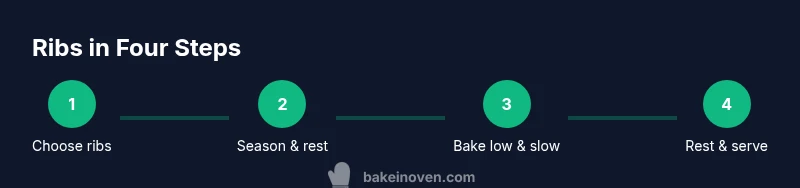
Learn how to bake ribs to tender, juicy perfection using a simple, repeatable oven method. Start with a basic dry rub, then cook low and slow before finishing with a high-heat glaze or sauce. You will need a reliable oven, a thermometer, foil for wrapping, and a short resting period before serving. By following these steps, you can achieve restaurant-quality ribs at home.
Why ribs respond to patient oven cooking
Ribs reward patience. If you’re learning how to bake ribs, you’ll quickly discover that time and temperature work together to transform a tough cut into tender, juicy meat. In this Bake In Oven guide, you’ll find a practical, kitchen-tested method that emphasizes a simple dry rub, a two-stage bake, and a deliberate resting period. Ribs flourish when heat is consistent and moisture is preserved, so we start with a low, steady bake to render fat and soften connective tissue, then finish with a hotter phase to set the bark and caramelize the exterior. Throughout, you’ll find precise timers, temperatures, and safety guidance to help you hit the target texture every time. According to Bake In Oven testing, resting the ribs after cooking helps retain juices and textures, making the final slice juicier and more flavorful. The approach here is designed for home kitchens: approachable, flexible, and forgiving enough for beginners while still satisfying seasoned cooks.
To set expectations: this is a two-stage method that favors evenness over speed. You’ll learn how long to cook at a gentle temperature, how to wrap or not wrap for moisture retention, and when to apply a glaze for color and depth. You’ll also see how simple ingredient choices—like a reliable rub and a balanced sauce—can elevate even basic pork back or spare ribs into a memorable meal.
Selecting ribs and prepping correctly
Selecting the right ribs is the first step toward reliable results. There are two common varieties: baby back ribs and spare ribs. Baby backs are leaner and cook a bit faster, with a smaller rib bone-to-meat ratio, while spare ribs offer more meat per rib and a richer fat cap. For beginners, spare ribs can be more forgiving, but either cut shines when properly prepared. Start by removing the membrane on the bone side; this silvery skin blocks rub penetration and can prevent even tenderness. After removing the membrane, pat the surface dry with paper towels. A dry surface helps the rub adhere and creates a better bark during the final sear. Trim excessive cartilage and any ragged edges so the ribs cook evenly. If your ribs arrive with excess moisture, pat dry again before applying rub. Finally, decide whether you want a two-step braise-style finish or a straightforward dry bake. Either approach can work, but consistent temperature control remains essential. Remember to bring the ribs to near room temperature before they hit the oven for best evenness.
Flavor foundations: rubs, marinades, and turning toward finishing sauces
What you season ribs with matters as much as how you cook them. A simple dry rub made from kosher salt, brown sugar, paprika, chili powder, garlic powder, and a touch of black pepper can carry the entire dish. If you prefer moisture and deeper flavor, a brief spice-marination or a light brine can help, but be mindful of salt levels so you don’t overdo it. When saucing, choose a glaze that pairs with your rub—often a tangy, slightly sweet barbecue sauce or a citrus-leaning glaze works well. For a more complex flavor profile, consider a two-layer approach: a dry rub for the initial cook, and a glossy finish sauce for the last 20–30 minutes. An optional smoky element—smoked paprika or a few drops of liquid smoke—can evoke a grilled flavor, especially if your oven has a convection setting. Throughout, balance sweetness, acidity, and salt to avoid overpowering the meat. Bake-In-Oven testing supports the idea that the rub should complement the rib’s natural savoriness rather than mask it. Keep in mind that rubs with too much sugar can burn at higher temps, so plan the glaze to hit the final minutes rather than the early stage.
The two-stage oven method: low and slow, then finish with heat
Two-stage cooking is the heart of achieving tender, shreddable meat with a pleasing bark. Stage one focuses on sustained, low heat to render fat and break down connective tissue without drying the surface. Stage two finishes the exterior with a hotter burst to set the bark and caramelize sugars. Commonly, cooks set the oven to a low range around 275°F (135°C) for several hours, wrapping halfway or after a certain period to trap moisture. After the initial long bake, uncover the ribs and increase oven temperature to about 325–350°F (165–177°C) for 20–40 minutes to firm the crust and deepen color. The exact times depend on rib size and cut; the goal is a probe-friendly texture where the meat yields to gentle pressure with a slight resistance near the bone. An internal thermometer helps verify doneness: many cooks target about 190–203°F (88–95°C) for tenderness in ribs, though some prefer 195–205°F for extra tender bite. Resting for 10–20 minutes after the bake allows juices to reabsorb and makes slicing easier. Note: wrap with foil during the first stage if you want to trap moisture, which can aid fall-off-the-bone tenderness.
All along, monitor heat, avoid sudden temperature shifts, and keep moisture in the cooking environment. This two-stage approach gives you control over texture and flavor while reducing the risk of dry, tough meat. The goal is a balanced rib with juicy meat, a chewy bark, and a savory edge that remains distinct from the rub.
Resting, slicing, and plating your ribs
Resting is the quiet, essential step between cooking and serving. After the final bake, let the ribs rest loosely covered for 10–15 minutes. Resting allows the muscle fibers to reabsorb juices, resulting in moister slices and easier carving. When you’re ready to slice, cut between the bones rather than through them to preserve portions and presentation. If you used a glaze, seconds before serving is often enough to set the glossy surface without softening the bark. Plate the ribs on a warm platter to maintain temperature and consider offering sauces or dips on the side so each guest can customize the flavor profile. For a finishing touch, sprinkle a little flaky salt or finely chopped herbs to contrast with the sweetness of the rub and glaze. In terms of reheating leftovers, wrap tightly and gently reheat in a low oven to avoid toughening the meat. Bake-In-Oven’s stance on resting and slicing emphasizes taste and texture as the heart of a successful rib experience.
Troubleshooting and safety notes
Ribs can fail if heat is uneven, if the membrane isn’t removed, or if the meat is overcooked. Common issues include dry edges, uneven doneness, or a dull bark. If you notice dry edges, consider wrapping sooner or increasing moisture during the initial bake. If the meat feels tough, it likely needs more time at the lower temperature or a longer rest after cooking. Safe handling is essential: keep raw meat separate, wash cutting boards thoroughly, and use a thermometer to verify internal temperatures. Remember to land on a safe final internal temperature and rest for juiciness. Bake-In-Oven analysis shows that patience and consistent temperature control produce the most reliable results, especially for larger rib cuts. If you’re uncertain about doneness, test at the bone end—tenderness around the bone is a good indicator of readiness.
Make it your own: sides, sauces, and leftovers
Ribs pair beautifully with traditional barbecue sides like coleslaw, baked beans, cornbread, and roasted vegetables. A bright, acidic coleslaw can cut through sweetness, while a smoky bean dish deepens the overall flavor. For sauces, a tangy tomato-based glaze or a honey-muey combination complements the rub’s profile. Leftover ribs reheat well in a low oven or on a grill, and you can repurpose the meat for sandwiches, wraps, or tacos. If you want to experiment, try a different rub on the next batch, perhaps adding coffee, cocoa, or ground ancho chili for a deeper, complex finish. The key is to keep the core technique intact while playing with flavor accents to suit your taste and occasion.
Tools & Materials
- Pork ribs (baby back or spare)(Choose bone-in; weight varies by cut.)
- Sharp knife or kitchen shears(For trimming and portioning.)
- Aluminum foil (heavy-duty)(To wrap during the first stage if desired.)
- Baking sheet or roasting pan(Stable surface for cooking.)
- Rib rack (optional)(Improves air circulation for even cooking.)
- Meat thermometer / instant-read thermometer(Monitor internal temperature.)
- Mixing bowls and whisk(Combine rub ingredients.)
- Paper towels(Pat ribs dry before applying rub.)
- Oven mitts(Handle hot pans safely.)
- Basting brush or small silicone brush(Apply glaze evenly.)
Steps
Estimated time: 2.5-3.5 hours
- 1
Prep and trim
Unwrap the ribs and remove any excess membrane on the bone side. Pat dry thoroughly with paper towels to help rub adhesion. This preparation stage ensures even cooking and a better crust.
Tip: A dry surface improves bark formation; don’t skip patting dry. - 2
Make the rub
Whisk together salt, sugar, paprika, black pepper, garlic powder, and optional chili. Adjust proportions to taste. A balanced rub supports both surface flavor and interior tenderness.
Tip: Taste your rub on a small piece of meat first to calibrate seasoning. - 3
Apply rub evenly
Sprinkle rub generously, then press it into the meat so it sticks. Turn the ribs and apply all sides for consistent flavor coverage.
Tip: A light drizzle of oil can help rub adhere if surface is dry. - 4
Rest and absorb
Let the rub sit on the meat for 20–40 minutes at room temperature to begin flavor uptake. For deeper flavor, refrigerate the rubbed ribs for several hours beforehand.
Tip: Short resting at room temp reduces chill factor while maximizing rub penetration. - 5
Preheat the oven
Heat to the target low temperature (around 275°F / 135°C). This warm-up step prepares a gentle environment for rendering fat and breaking down connective tissue.
Tip: Use a convection setting if available for more even heat distribution. - 6
Initial bake
Place ribs on a rack over a sheet pan and bake low and slow for 2.5–3 hours, or until meat begins to pull back from the bones. Keep the surface moist by rotating the pan halfway if needed.
Tip: If you prefer moister results, wrap the ribs with foil after the first hour. - 7
Finish with heat and glaze
Uncover, increase oven to 325–350°F (165–177°C), and bake 20–40 minutes to set the bark. Brush with glaze or sauce during the last 10–15 minutes for a glossy finish.
Tip: Watch closely to prevent burning the sugars in the glaze. - 8
Rest and serve
Withdraw from the oven and let ribs rest 10–15 minutes before slicing between bones. Serve with extra sauce on the side and optional sides.
Tip: Tent with foil during the rest if you want to keep warmth without steaming the crust.
Frequently Asked Questions
What type of ribs are best for baking?
Both baby back and spare ribs bake well; choose based on meat-to-bone ratio and your preference for tenderness vs. meatiness. Spare ribs are meatier and forgiving, while baby backs cook faster.
Both rib types work; pick based on preferred meatiness and cooking time.
Should I remove the membrane from ribs?
Yes. Removing the membrane improves rub penetration and tenderness by allowing seasonings to reach the meat more effectively.
Yes, removing the membrane helps seasonings soak in and improves tenderness.
Wrap ribs during cooking—is it necessary?
Wrapping is optional but helps retain moisture during the long bake. If you prefer a crisper bark, skip wrapping for part of the cook and finish uncovered.
Wrapping is optional; it preserves moisture, but you can uncover for a crisper crust.
What internal temperature should ribs reach?
A target range around 190–203°F (88–95°C) is common for tenderness in ribs. Use a meat thermometer to check near the bone for best results.
Aim for about 190 to 203 degrees Fahrenheit, check near the bone with a thermometer.
Can I bake ribs from frozen?
It’s better to thaw before cooking to ensure even heat and proper rub penetration. Frozen ribs can cook unevenly and take longer.
Thaw before cooking for even heat and flavor.
What side dishes pair best with baked ribs?
Coleslaw, baked beans, cornbread, and roasted vegetables complement ribs well, balancing sweetness and acidity with savory meat.
Coleslaw, beans, cornbread, and veggies pair nicely with ribs.
Watch Video
Key Takeaways
- Plan a two-stage bake for tenderness and crust.
- Remove the membrane for better rub penetration.
- Rest ribs before slicing for juicier results.
- Control temperature to avoid dry meat or burnt glaze.
- experimented with rubs and sauces to personalize flavor.