Pork Ribs Bake Recipe: Tender, Juicy Oven-Baked Ribs
Learn a reliable method to bake pork ribs that come out tender, juicy, and richly flavorful. This step-by-step guide covers rubs, timing, temperature, and safe handling for perfect oven-baked ribs every time.


This quick guide shows you how to bake pork ribs until they’re tender, juicy, and deeply flavorful. You’ll need pork ribs, a simple dry rub, foil, and an oven set to a low, steady temperature. Expect about 2.5–3.5 hours total, plus a short rest. We cover seasoning, wrapping, finishing glaze, and serving for a reliable, home-friendly result.
Why This Pork Ribs Bake Recipe Works
According to Bake In Oven, slow-baked pork ribs in a steady oven temperature yield the most reliable tenderness, even for home cooks with modest equipment. This pork ribs bake recipe is designed to maximize collagen conversion while keeping the meat juicy, with a simple rub that enhances flavor without overpowering the pork's natural sweetness. By controlling moisture, heat, and timing, you can achieve a consistent crust and a succulent interior. The approach merges classic barbecue instinct with home-kitchen practicality, making it accessible to cooks of all levels.
A well-executed bake relies on three pillars: low, steady heat; adequate moisture to keep the meat tender; and a finishing step that develops a glossy crust and deep flavor. This method is forgiving for beginners yet flexible enough for seasoned cooks to customize with different rubs and glazes. Bake In Oven has found that a gentle, energy-efficient bake tends to produce the best texture, especially when you rest the meat after cooking to reabsorb juices.
The idea is simple: transform connective tissue into tender meat through gradual heat and moisture retention while preserving pork’s inherent sweetness. With a basic dry rub and a controlled oven, you can achieve fall-off-the-bone tenderness without the need for complicated equipment or long smoking times. This makes the recipe ideal for weeknight dinners or weekend feast planning.
titleOverride':
noteOverride':null} ,
Tools & Materials
- pork ribs (2-3 racks, bone-in)(Trim silver skin if present; cut into manageable sections for even cooking.)
- dry rub ingredients (e.g., brown sugar, paprika, garlic powder, onion powder, salt, black pepper, optional chili powder)(Balance sweetness, salt, and heat; adjust to taste.)
- parchment paper or heavy-duty foil(Line sheet for easy cleanup; parchment for dairy-free surfaces.)
- heavy-duty foil for wrapping(Helps trap moisture and steam during the long bake.)
- baking sheet with a rack(Keeps ribs elevated from any rendered fat.)
- meat thermometer or instant-read thermometer(Target internal texture around 195–203°F (90–95°C) for tenderness.)
- brush or spoon for glaze(Optional for applying glaze during the finishing stage.)
- paper towels(Pat ribs dry before applying rub to improve crust formation.)
- optional liquids for steaming (apple juice, water, or beer)(Adds moisture when wrapping in foil.)
Steps
Estimated time: 2 hours 45 minutes
- 1
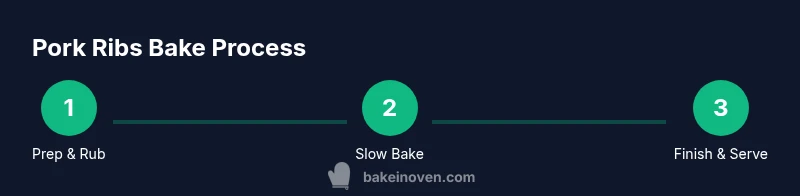
Pat dry and trim ribs
Begin by patting the ribs dry with paper towels and removing any excess fat or silver skin. Trimming ensures the rub adheres evenly and moisture penetrates the meat. This preparation lays the foundation for a uniform crust and tender bite.
Tip: Patience here pays off later; a dry surface helps the rub stick and form a flavorful crust. - 2
Mix rub and apply evenly
Whisk together your chosen rub ingredients and sprinkle evenly over both sides of the ribs. Massage the rub into the surface for 1–2 minutes to promote adhesion and flavor penetration. Let the rub rest on the meat for at least 15 minutes to begin seasoning.
Tip: If you have time, refrigerate rubbed ribs for 1–4 hours to deepen flavor. - 3
Preheat oven and set up pan
Preheat your oven to a low range (275–325°F / 135–165°C). Place a rack on a lined baking sheet so ribs don’t sit in their own juices. This setup ensures even heat circulation and a stable base for later finishing.
Tip: Using parchment and a rack reduces sticking and simplifies cleanup. - 4
Wrap ribs for moisture (optional)
If you prefer ultra-tender meat, wrap the rubbed ribs tightly in foil with a splash of liquid (apple juice or water). Seal well to trap steam, then position on the rack. This stage creates a moist environment that helps break down collagen.
Tip: Leave space for steam to circulate inside the packet, avoid over-tight wrapping. - 5
Bake low and slow
Bake the wrapped ribs for about 2–2.5 hours, depending on rib size and cut. The goal is tender meat that begins to pull away from the bone but still holds together for slicing.
Tip: Check doneness with a probe; the meat should feel tender when pierced near the bone. - 6
Unwrap and glaze (finish)
Carefully unwrap the ribs, brush with your glaze or BBQ sauce, and return to the oven uncovered for 15–25 minutes. This step caramelizes the sauce, building a glossy finish and deeper flavor.
Tip: Keep an eye on the glaze to prevent burning during the final minutes. - 7
Rest before slicing
Remove from the oven and let the ribs rest 10–15 minutes. Resting allows juices to reabsorb, producing juicier slices when cut between the bones.
Tip: Cover loosely with foil to maintain warmth without steaming the crust. - 8
Slice and serve
Slice between the bones or cut into individual portions. Arrange on a warm platter with sides like slaw and cornbread for a classic pairing.
Tip: Serve immediately for the best balance of crust and juicy interior. - 9
Store and reheat leftovers
Store any leftovers in an airtight container in the fridge for up to 3–4 days. Reheat gently in the oven or on a skillet to preserve moisture and texture.
Tip: Reheat slowly to avoid drying out the meat.
Frequently Asked Questions
How long should I bake pork ribs in the oven?
In general, plan for 2–2.5 hours at 275–325°F (135–165°C) when wrapped; uncover and glaze for 15–25 minutes toward the end. Always check tenderness with a thermometer or fork test instead of relying solely on time.
Most ribs take about two to two and a half hours in a low oven; finish with glaze for 15 minutes and rest before slicing.
Should I remove the membrane from the ribs before cooking?
Removing the silver membrane helps the rub penetrate and yields a more even texture. Use a paper towel to grip and peel it away from the bone side.
Yes, removing the membrane improves flavor absorption and tenderness.
Can I use foil or parchment for cooking?
Foil is great for moisture and tenderness; parchment provides easier cleanup. You can start with foil and switch to parchment for the final glaze if needed.
Foil traps moisture for tenderness; parchment makes cleanup easier.
What internal temperature indicates doneness for pork ribs?
Pork rib tenderness is achieved around 195–203°F (90–95°C) near the bone, which allows collagen breakdown. Ensure the meat is safe by reaching at least 145°F (63°C) with a rest period.
Aim for tenderness around 195–203°F, then rest before slicing.
Can I freeze cooked pork ribs?
Yes, cooked ribs can be frozen for 2–3 months. Wrap tightly and store in an airtight container. Reheat gently to preserve texture.
Cooked ribs freeze well for a few months; reheat slowly for best texture.
Watch Video
Key Takeaways
- Use a low, steady oven for tenderness
- Apply rub evenly for consistent flavor
- Wrap or seal ribs to trap moisture and maximize tenderness
- Finish with glaze for a glossy, flavorful crust
- Let meat rest before slicing to preserve juiciness