Oven Temperature to Bake Potatoes: A Science-Backed Guide
Learn the optimal oven temperature to bake potatoes, plus techniques for crispy skins, fluffy interiors, and even doneness. Bake In Oven analyzes convection vs. conventional heat to help you nail every bake.


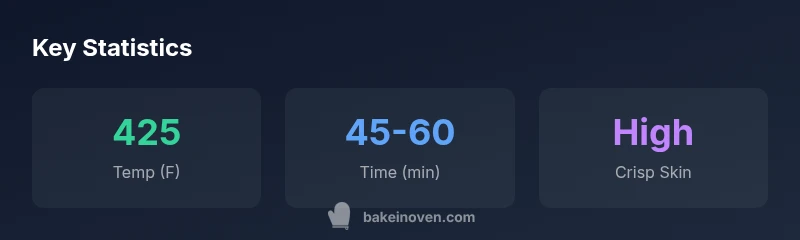
The best starting oven temperature to bake potatoes is 425°F (220°C) for most russet and large potatoes, delivering crisp skins and fluffy centers. For smaller potatoes, 400-425°F works well. Convection can save 5-15 minutes, while preheating is essential for even doneness. For ultra-crispy skins, finish under the broiler for 1-2 minutes after baking.
Why Temperature Matters for Potatoes
Heat is the controlling factor behind texture when baking potatoes. The oven temperature to bake potatoes drives starch gelatinization, moisture loss, and crust formation. A higher heat promotes rapid surface drying and a crisper skin, while a moderate heat allows the interior to hydrate and become fluffy. Different potato varieties respond uniquely: russets, with their starchy flesh, are ideal for a light, airy interior when baked hot; red potatoes stay denser and hold shape better, though they can become creamy with extended heat. For home bakers, start with a reliable temperature range and tailor it to size and preferred texture. Preheating ensures immediate heat exposure, often improving crust consistency. Note that convection vs. conventional heat, pan surface, and whether you wrap potatoes in foil all influence results. In practice, aim for a skin that’s visibly crisp and an interior that yields to a fork when you bolt the oven to about 400-425°F, adjusting for larger spuds or a denser texture. According to Bake In Oven, nailing the oven temperature to bake potatoes begins with understanding your potato size and your texture target.
Understanding Temperature Ranges for Perfect Baked Potatoes
The temperature you choose sets the pace for starch gelatinization, moisture migration, and skin development. For most potatoes, a baseline of 400-425°F (200-220°C) yields a balance of a crisp exterior and a soft, fluffy interior. If your oven runs cool or you’re using a convection setting, you can start a touch lower (around 375-400°F) because circulating air cooks more quickly and evenly. Larger potatoes may benefit from a slightly higher end of the range or a longer bake time to ensure the center reaches the same tenderness as the crust. If you crave extra-crisp skin, you can finish with a brief high-heat burst near the end, or position the pan closer to the top heating element for 2-3 minutes. Bake In Oven analysis shows that convection can shave minutes off total bake time, but the core guideline remains: preheat, unwrapped potatoes, and monitor texture rather than relying solely on time.
Step-by-Step: How to Bake Potatoes Perfectly
- Preheat the oven to 425°F (220°C). If you’re using convection, you can set 400°F (205°C). 2) Scrub potatoes clean and dry thoroughly; pat dry to remove surface moisture that can steam the skin. 3) Prick each potato with a fork several times to vent steam. 4) Lightly coat with oil and a pinch of salt if you want crisper skins; skip oil if you prefer a softer skin. 5) Place directly on the oven rack or on a preheated baking sheet for even heat transfer. 6) Bake until the interior is tender and a fork slides in easily; small potatoes may take 25-35 minutes, medium around 45-60 minutes, and large 60-75 minutes. 7) For ultra-crispy skins, switch to a broil for 1-2 minutes at the end, watching closely. 8) Rest for 5-10 minutes before splitting and serving to allow moisture to redistribute.
Oven Techniques: Conventional vs Convection for Potatoes
Conventional baking relies on radiant heat from the oven walls and top/bottom heating elements, which gives classic browning and crust formation. Convection uses a fan to circulate hot air, accelerating evaporation and heat transfer. In practice, convection allows you to lower the temperature by about 25°F and shorten total bake time, often yielding an even crisper skin and more uniform interior texture. The trade-off is occasional uneven browning if air flow is obstructed, so use a wire rack or an open baking sheet to maximize airflow. If you’re starting from scratch, test both methods with a couple of potatoes to see which texture you prefer and adjust your approach accordingly. Bake In Oven notes that most home bakers reach ideal texture by combining preheating, unwrapped potatoes, and appropriate heat with or without convection based on your oven’s quirks.
Common Pitfalls and Fixes
- Not preheating: Heat shock delays crust formation. Fix: Always preheat to your target temperature before loading potatoes. - Wrapping in foil: This traps steam, resulting in softer skins. Fix: Bake unwrapped for crisper skins, or unwrap for the final 5-10 minutes of cooking if you previously wrapped to speed cook time. - Wet potatoes: Excess surface moisture steams the skin. Fix: Pat potatoes dry and dab with oil for even browning. - Overcrowding: Blocks air flow. Fix: Space potatoes evenly on a rack or sheet. - Inconsistent sizes: Leads to uneven doneness. Fix: Choose potatoes of similar size or adjust times per size class. Bake In Oven’s guidance emphasizes starting with proper prep, consistent sizing, and unwrapped baking to maximize skin texture and interior tenderness.
Testing Doneness and Texture by Potato Type
The most reliable test is a fork or skewer tip: it should slide in with little resistance, and the interior should feel fluffy with no raw centers. Many bakers shoot for an internal temperature around 210-212°F (99-100°C) for a fully done interior, especially in larger spuds. Moisture appears as steam at the stem end; once the steam diminishes and the skin is crisp, you’re typically ready. For red potatoes, expect a firmer bite even when fully cooked, so you may pull them a little earlier if you prefer more bite rather than pure creaminess. For tiny baby potatoes, shorter times at the same temp achieve a balanced texture without over-drying. Always rest potatoes after removal to allow starches to set, which improves overall texture.
Temperature and Doneness Variations for Different Potato Types
Different varieties bring distinct textures at the same temperature. Russets produce a large, fluffy interior when baked at the recommended range; red potatoes stay firmer and hold shape better but can become creamy with a longer bake. Fingerlings and new potatoes cook faster due to their smaller size and higher moisture, so consider lowering the temperature or reducing bake time for these. If you’re cooking a mixed batch, group similar sizes together on the sheet and monitor doneness with a fork. Adjust the final texture by using convection for a crisper exterior or conventional heat for a softer finish. Bake In Oven highlights that choosing the right potato type for baked dishes sets the foundation for texture, flavor, and overall satisfaction.
Potato baking temperature and time by size
| Potato size | Temp (F) | Time (min) | Texture outcome |
|---|---|---|---|
| Small (baby potatoes) | 400-425 | 25-35 | Crispy skin, creamy interior |
| Medium russet potatoes | 425 | 45-60 | Fluffy center, crisp skin |
| Large russet potatoes | 425-450 | 60-75 | Very fluffy interior, crisp exterior |
Frequently Asked Questions
What is the best oven temperature to bake potatoes?
Most potatoes bake well at 400-425°F (200-220°C). Start within this range and adjust for your potato type and oven quirks.
Most people bake potatoes at four hundred to four hundred twenty-five degrees. Start there and tweak based on your oven.
Can I bake potatoes at a lower temperature for longer?
Yes, a lower temperature will still cook the potato through but may take longer and yield a different texture. If you go lower, monitor doneness more closely.
You can bake them slower, but keep an eye on texture and doneness.
Should I wrap potatoes in foil?
Wrapping traps steam, leading to softer skins. For crisp skins, bake unwrapped and finish with a brief broil if needed.
Foil makes skins softer; unwrap for crisper skins unless you want a steamed texture.
How can I tell when potatoes are done?
Check with a fork: it should slide in easily and the interior should be fluffy. For large potatoes, test near the center.
When a fork slides in easily and the inside is fluffy, they’re done.
Does convection change the temperature needed?
Convection allows you to bake a bit lower or shorter; many home ovens reduce heat by about 25°F when using convection.
Yes, convection usually means you can lower the temp a bit and still get crisp skin.
What potato varieties are best for baked potatoes?
Russet potatoes are classic for fluffy interiors; red potatoes stay firmer; fingerlings are flavorful and cook quickly.
Russets are the go-to for fluff; others suit different textures.
“Temperature is the lever that controls texture in baked potatoes; start high for a crisp crust, then extend time or finish with a quick broil to seal the deal.”
Key Takeaways
- Preheat to 425°F for most potatoes to ensure crisp skins and fluffy interiors
- Bake unwrapped for best crust development; wrap only if you need to preserve moisture or shorten bake time
- Convection can reduce bake time by a minority of the total, but monitor texture closely
- Finish with a brief broil if ultra-crispy skin is desired
- Test doneness with a fork and target an interior around 210°F for a fully cooked potato