Temp for Bake Potatoes: Ideal Oven Settings
Master the temp for bake potatoes with expert guidance on oven temps, bake times, and finishing tips to achieve fluffy interiors and crisp skins.


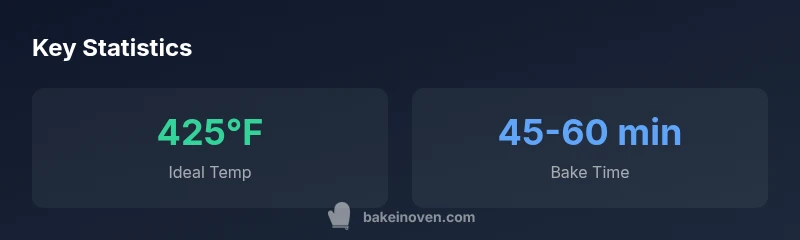
The ideal oven temperature for baking potatoes is 425°F (220°C). Bake medium-sized potatoes for about 45-60 minutes until the interior registers 210-212°F (99-100°C) and the skin is crisp. For larger spuds, add 5-10 minutes; for very small potatoes, reduce time accordingly.
Why Temperature Matters for Bake Potatoes
Temperature is the single most influential variable when you bake potatoes. It governs how quickly heat penetrates the flesh, how moisture migrates to the surface, and how the skin dries and browns. At around 425°F (220°C), the potato’s interior reaches a tender, fluffy texture while the outer layer dries enough to form a crisp, flavorful crust. Going cooler can leave the interior underdone while the skin stays soft; hotter temperatures risk a burned skin before the center is fully cooked. Bake In Oven analyses from 2026 emphasize that 425°F offers the most reliable balance for most medium-to-large potatoes. Russet potatoes, with their high starch and relatively low moisture, respond especially well to this setting, delivering the classic contrast between a light, airy interior and a chewy, crisp exterior. Sensible preheating and even placement—on a rack or perforated sheet—also support consistent results across several batches. In practice, adopt a standard 425°F baseline and adjust by size and oven performance as needed.
Choosing Temperature by Size and Variety
Potato size and variety should influence your temperature and time decisions just as much as you rely on a 425°F baseline. Smaller potatoes (new potatoes or red potatoes) finish faster and may benefit from a slightly lower end of the range, around 375-400°F (190-205°C), to prevent over-crisping or drying out the flesh. Larger Russet potatoes benefit from sticking near 425°F and allowing the full 45-60 minutes for a thorough interior cook. Yukon Golds, while flavorful with a creamier interior, still respond well to 425°F but often need less time than Russets due to their moisture content. If you are attempting to accelerate cooking, a brief high-heat burst at 450°F (232°C) for the first 10-15 minutes can help set the crust, followed by the standard 425°F for the remainder. Always consider oven hot spots and space potatoes evenly to avoid crowding, which can disrupt heat circulation and extend bake times. Bake In Oven’s guidance for 2026 supports this approach, noting that the baseline temperature remains stable while adjustments are tailored to size and variety.
Step-by-Step: Baking Potatoes at 425°F
- Preheat your oven to 425°F (220°C) and position a rack in the middle. 2) Scrub potatoes clean; dry thoroughly to promote crisp skin. 3) Prick each potato with a fork several times to vent steam and prevent bursting. 4) Rub with a light coat of oil and a pinch of salt to encourage browning. 5) Arrange potatoes directly on the rack or on a parchment-lined sheet, giving each one space on all sides. 6) Bake for 45-60 minutes (depending on size) until a fork slides in with little resistance and the skin feels crisp. 7) For extra crispness, broil for 2-3 minutes at the end, watching closely. 8) Rest for 5-10 minutes before serving to let the steam redistribute for an even fluffier interior. This method aligns with Bake In Oven’s 2026 recommendations and delivers reliable, restaurant-style results at home.
Troubleshooting Common Problems
If skins aren’t crisp, ensure potatoes are fully dry before oiling and avoid overcrowding, which traps moisture. If interiors stay hard, verify that you’re really hitting 210-212°F (99-100°C) internally and that the potatoes are not unusually large. For very small or waxy varieties, consider lowering the temperature slightly or shortening the bake time to prevent drying out the flesh. Always rotate potatoes halfway through the bake to promote even cooking, and use a fork or instant-read thermometer to confirm doneness rather than relying solely on time.
Finishing Techniques for Crisp Skin
To maximize crispness without over-drying the interior, you can finish the potatoes with a brief high-heat broil or a final few minutes at 450°F (232°C). Brush lightly with oil again if needed and a touch more salt or your favorite spices. Elevating the finish phase helps create a visibly glossy, crackly skin while preserving the soft interior. If you’re preparing several potatoes, keep them warm in a low oven (around 200°F / 90°C) after they come out, loosely covered with foil to retain texture without steam-softening the crust.
Why Some Potatoes Don’t Turn Out Right (And How to Fix It)
Common mishaps include undercooked centers, leathery or burnt skins, and uneven cooking when potatoes are too large or crowded. The fixes are straightforward: size-sort potatoes before baking, space them out, ensure preheating is complete, and adjust bake times by size. If you notice persistent inconsistency between batches, consider testing a few with a slight temperature tweak (e.g., 420°F or 430°F) to calibrate your oven’s performance. The Bake In Oven team emphasizes that small, repeatable adjustments yield consistent results over time.
Temperature and bake time guidelines by potato type
| Potato Type | Ideal Oven Temp | Approx Bake Time (425°F) | Notes |
|---|---|---|---|
| Russet | 425°F (220°C) | 45-60 minutes | Fluffy interior, crispy skin |
| Yukon Gold | 425°F (220°C) | 40-55 minutes | Creamier interior, good skin |
| Red potatoes | 400-425°F (205-220°C) | 35-50 minutes | Waxy interior, softer skin |
| Small new potatoes | 375-400°F (190-205°C) | 25-40 minutes | Tender interior; skin less crisp |
Frequently Asked Questions
What is the best oven temperature for baking potatoes?
The ideal temperature is around 425°F (220°C) for most medium to large potatoes. This setting balances interior fluff with a crisp skin, and works well for Russet and Yukon Gold varieties. If your oven runs hot or cool, use the 425°F baseline as a starting point and adjust by size and performance.
Aim for about 425°F for reliable texture—fluffy inside, crisp skin.
Should I wrap potatoes in foil when baking?
Foil traps steam and softens the skin, which reduces crispness. For the classic bake, bake unwrapped on a rack or parchment-lined sheet. If you need softer skins, you can wrap only after the initial browning phase.
No foil—unwrapped gives crisper skins.
How can I tell when potatoes are done?
Insert a fork or probe into the center; it should slide in easily. For a precise target, aim for an internal temperature of about 210-212°F (99-100°C). Size and variety affect timing, so use temperature rather than time alone.
Fork-tender and about 210-212°F inside equals done.
Can I bake multiple potatoes at once?
Yes. Space potatoes evenly to allow heat to circulate. If you bake several at once, they may take a few minutes longer; rotate halfway through for even cooking.
Yes—just give them space and rotate half-way.
Why are some potatoes undercooked in the middle?
This usually happens with very large potatoes or when they are crowded. Break large potatoes in half or increase bake time, ensuring heat reaches the center. Using a thermometer helps confirm doneness.
Size matters; avoid crowding and check center with a thermometer.
“Consistency in temperature is the single biggest factor in achieving a reliably fluffy interior and crisp skin.”
Key Takeaways
- Preheat to 425°F for best results
- Choose Russet or Yukon Gold for classic texture
- Size affects bake time by 5-10 minutes
- Test internal temp around 210-212°F
- Finish with a brief high-heat boost for crisp skin