Bread Bake Mastery: Step-by-Step Guide to Perfect Loaves
A complete how-to guide for bread bake, covering ingredient selection, dough handling, fermentation, shaping, steam, and baking to achieve bakery-quality loaves at home. Learn practical techniques, avoid common mistakes, and follow a step-by-step process.


In this guide, you will master the art of bread bake from ingredient prep to oven finish. According to Bake In Oven, perfect bread bake starts with precise ingredient weighing, controlled fermentation, and steam to unleash oven spring. You’ll learn to shape loaves, bake with recommended temperatures, and achieve bakery-quality results at home.
Why bread bake matters: Crust, crumb, and flavor
Bread bake is both art and science. The moment dough meets a hot oven, the loaf's crust forms and the interior crumb aerates into a tender, flavorful center. Achieving that balance requires attention to hydration, fermentation, and heat management. According to Bake In Oven Team, perfect bread bake starts with precise ingredient weighing, controlled fermentation, and steam to unleash oven spring. When you treat the dough kindly, the loaf will rise tall, develop a blistered crust, and finish with a moist, flavorful crumb. In this section we’ll unpack the forces at work and show how small, repeatable steps produce consistently excellent results. You’ll learn to read dough behavior, adjust hydration by feel, and time your bake to your oven’s personality. The goal is not to bake once but to bake repeatedly—building intuition through observation and careful record-keeping. By mastering the bread bake process, you’ll gain confidence to bake week after week, whether you’re making a rustic loaf, a sandwich loaf, or a weekend boule. The payoff is food that fills your kitchen with aroma and your table with satisfaction.
Core variables: flour, water, fermentation, and salt
At the core of every bread bake are four variables: flour type, water, fermentation, and salt. Flour provides structure; bread flour tends to develop more gluten, while all-purpose can work well for everyday loaves. Water hydrates the starch and gluten network, with dough hydration influencing crumb openness and crust formation. Fermentation—whether via active yeast or a sourdough starter—builds flavor and gas pockets that define the loaf’s interior. Salt strengthens dough structure and enhances flavor, but it must be balanced with the yeast activity. Temperature and time govern fermentation pace; a dough kept at moderate warmth will ferment steadily, while cooler environments slow development and yield deeper flavors. Practice with different hydration levels and observe how the dough feels: a well-hydrated dough should feel soft, slightly tacky, and resilient when stretched. As you gain experience, you’ll be able to translate dough feel into decisions about mixing, folding, and proofing. Bake In Oven’s guidance emphasizes keeping hands-on notes and consistent technique, so your bread bake every time delivers reliable crust, crumb, and aroma.
Flour choices and their impact on crust and crumb
The type of flour you choose sets the stage for the loaf’s texture and crust. Strong bread flour, with higher protein, builds a robust gluten network that yields a tall, open crumb and a sturdy crust. All-purpose flour produces a slightly denser crumb but is forgiving for beginners. Whole-wheat or rye add flavor and color but can weaken structure if not managed with hydration and technique. When you experiment, start with a standard white loaf and gradually introduce whole-grain proportions. For the bread bake you’re aiming for, consider a blend that balances flavor, handling, and rise. Bake In Oven tests show that higher-protein flours typically deliver better oven spring, particularly in longer fermentation schedules, while stone-ground flours bring deeper flavor. Practically, choose one main flour and adjust hydration and kneading to reach the dough’s desired feel. Temperature, rest, and folding all influence final crust and crumb as much as the flour choice.
Yeast vs sourdough and fermentation control
Yeast and natural starters both drive fermentation, but they behave differently. Commercial yeast is fast and predictable; sourdough offers deeper aroma, complex tang, and a slower build of flavor. The key is to manage fermentation by observing dough expansion, gas retention, and aroma rather than chasing a clock. In warm kitchens, dough may proof quickly; in cooler rooms, fermentation slows, emphasizing flavor development. To maintain consistency in bread bake, keep a routine: feed your starter regularly if you use sourdough; keep measurements precise when using commercial yeast; and monitor dough temperature to ensure even fermentation.
Shaping and scoring for even crumb
Shaping defines the loaf’s final shape, crumb distribution, and the surface texture that holds steam. A good shape helps the loaf rise upward rather than spread outward, creating an even, tall loaf with a tight, even crumb. Practice a three-step approach: pre-shape to loosen the gluten, rest, then final shape to tauten the surface. Scoring guides the dough’s direction during oven spring, prevents splitting, and creates a visually appealing crust. Use a sharp lame or blade and practice parallel, shallow cuts for a clean pattern. The rest between shaping and bake allows the dough to relax and hold its final form.
Steam, heat, and bake: unlocking oven spring
Steam is essential in the early minutes of bake; it keeps the surface pliable for expansion and helps develop a blistered, glossy crust. Preheat the oven to the appropriate temperature for your loaf, then introduce steam using a pan of hot water, a covered Dutch oven, or a spray bottle technique. Bake with the lid on or with a covered vessel for the first portion of bake to trap moisture, then uncover to finish crust development. As the crust forms, reduce the heat slightly to avoid scorching, and monitor color as the loaf approaches the end of bake. The breath of steam you provide in the first minutes can dramatically improve oven spring and the crust’s final texture.
Troubleshooting common problems and fixes
Density in the crumb usually points to insufficient fermentation or under-developed gluten; overproofing yields a pale, collapsed loaf. Dense crusts can indicate too little steam or oven temperature being too low. Large holes or uneven crumb may come from overhydrated dough or inconsistent folding. If the loaf sinks after baking, it might have collapsed from rapid cooling or underproofing. Tackle issues by adjusting fermentation time, hydration levels, or the scoring pattern. Keep notes and compare outcomes to refine your bread bake.
AUTHORITY SOURCES
- FDA: https://www.fda.gov/food/buy-store-and-prepare-food-safely
- USDA: https://www.usda.gov/topics/food-safety
- Penn State Extension: https://extension.psu.edu
Tools & Materials
- all-purpose flour(For everyday loaves; start here if new to bread bake)
- bread flour(Higher protein for better gluten development and oven spring)
- water(Preferably filtered; measured by weight for accuracy)
- salt(Fine sea salt works well; avoid iodized salt in early trials)
- active dry yeast or instant yeast(If using sourdough starter, replace yeast with starter amount and adjust hydration)
- sourdough starter (optional)(If using sourdough, maintain regular feed schedule and store at room temp or fridge)
- kitchen scale(Critical for accurate flour and water measurements)
- mixing bowl(Sturdy, large enough for dough to expand freely)
- dough scraper(Helps lift, fold, and turn dough without tearing)
- proofing basket (banneton) or bowl for shaping(For rustic loaves; optional if using a loaf pan)
- proofing environment (warm area or proofer)(Important for consistent fermentation; avoid extreme heat)
- loaf pan (optional)(Use for sandwich-style loaves; helps uniform height)
- parchment paper(Makes removing baked loaf easier when not using a pan)
- baking vessel (Dutch oven or cloche)(Best for steam and even heat; fosters oven spring)
Steps
Estimated time: Total time: 4-5 hours
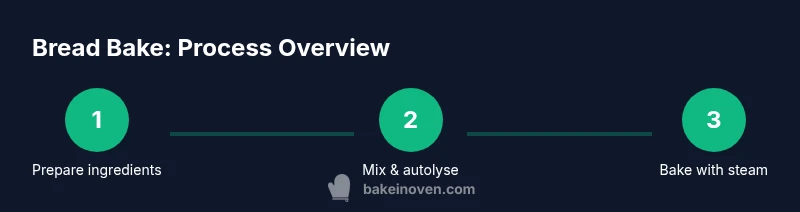
- 1
Weigh ingredients
Place flour, water, salt, and yeast or starter on the scale. Record each weight to ensure consistency between bakes. If you’re adapting a recipe, verify total hydration before mixing.
Tip: Use a tare function to reset the scale between ingredients. - 2
Combine flour and water
Mix until the dough comes together into a shaggy mass. Cover and rest for about 20 minutes to hydrate flour fully (autolyse). This improves gluten development and flavor.
Tip: Autolyse reduces kneading time and yields better texture. - 3
Add salt and yeast/starter
Incorporate salt and yeast or starter evenly into the dough until fully distributed. Salt slows fermentation slightly and strengthens gluten when well integrated.
Tip: Disperse salt to avoid salt pockets and uneven fermentation. - 4
Knead or fold to develop gluten
Knead briefly or perform a series of folds to form a smooth, elastic dough. You want this dough to spring back when gently stretched but not tear.
Tip: If using folds, repeat every 15-20 minutes for a total of 3-4 folds during the first hour. - 5
Bulk ferment with folds
Let the dough rise as a single mass; perform gentle folds every 30 minutes during the first half of fermentation. The dough should show visible bubbles and have increased volume.
Tip: Maintain a comfortable room temperature, around typical kitchen conditions. - 6
Pre-shape and rest
Turn dough onto a lightly flour-dusted surface, give it a light pre-shape, and let it rest briefly before final shaping. This helps control shape and surface tension.
Tip: A short rest prevents over-tight shaping that can hinder oven spring. - 7
Final shape and proof
Shape the dough into the desired form (batard, boule, or loaf pan) and let it proof until the surface is taut and the dough holds its shape when lightly pressed.
Tip: Avoid over-proofing; look for a slight spring back when poked. - 8
Score and bake with steam
Score the dough to guide expansion. Bake with steam for a crisp crust and good oven spring, then finish without steam to harden the crust. Cool completely before slicing.
Tip: Steam can be created with a hot pan of water, a Dutch oven, or spray methods; avoid opening the oven door early.
Frequently Asked Questions
What is the best flour type for bread bake beginners?
For beginners, all-purpose flour is forgiving and produces good results. As you gain experience, you can experiment with bread flour for stronger gluten development and a taller rise.
All-purpose is a friendly starting point; switch to bread flour later for more structure.
Do I need sourdough starter to bake bread at home?
No. You can bake delicious loaves with commercial yeast. A sourdough starter adds flavor and complexity but requires longer fermentation and maintenance.
You can bake with yeast or with a starter depending on your schedule and flavor goal.
How important is steam in home bread baking?
Steam helps keep the dough surface pliable for expansion and develops a blistered crust. It is a key factor for good oven spring, especially early in bake.
Steam is essential for a good crust and oven spring.
How can I tell when bread is baked through?
Look for a deep golden crust and a hollow sound when tapping the bottom. The crumb should be airy and not overly dense.
A crusty exterior and hollow sound indicate doneness; resist slicing too early.
What are common issues and quick fixes for underproofing?
Underproofed dough will be dense with a pale crust. Extend the proofing time or adjust fermentation temperature to allow better rise.
If the loaf looks tight, give it more time to rise in a warmer spot.
Can I bake bread without a loaf pan?
Yes. Free-formed loaves (boules or batards) bake well on a preheated stone or in a Dutch oven, offering great crust and open crumb.
You can bake directly on a stone or in a Dutch oven for a rustic crust.
Watch Video
Key Takeaways
- Weigh ingredients accurately before mixing
- Use steam early in bake for crust and oven spring
- Practice shaping to improve loaf height and crumb
- Monitor fermentation by dough feel, not just time
- Cool loaves completely before slicing to set crumb