How to Know If Sourdough Starter Is Ready to Bake
Discover how to know if sourdough starter is ready to bake with practical cues, float-test guidance, feeding schedules, and troubleshooting tips from Bake In Oven.


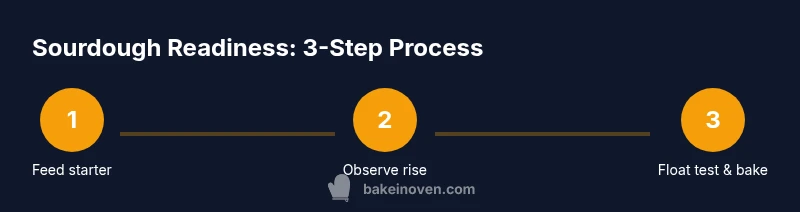
To know if sourdough starter is ready to bake, check for a vigorous, bubbly rise that doubles after feeding, a pleasant tangy aroma, and a successful float test. When these cues align, the starter is likely strong enough to leaven bread. If any cue is weak, feed again and wait a little longer.
Why a Ready Sourdough Starter Matters
If you're learning how to know if sourdough starter is ready to bake, you’ll want to start by understanding the signals of a healthy, active culture. A starter that’s ready will be lively, properly fed, and predictable in its behavior. According to Bake In Oven, readiness begins with core indicators: a robust, bubbly rise; an even texture and dome; and a clean, pleasant aroma. These cues don’t exist in isolation; they must reinforce each other. Plan to observe not a single sign, but a pattern over several hours, because real-world baking demands stability. This approach helps home bakers avoid sour, underproved dough and inconsistent loaf shapes. By building a routine around these observations, you gain confidence in deciding when to bake and how to adjust feeds for future bakes. The goal is to develop a dependable method rather than relying on guesswork. With consistent observation, you’ll reduce detours and improve loaf quality in every bake.
Signs Your Starter Is Ready to Bake
A ready starter should show several clear signs that align with each other. First, it should rise and peak within a predictable window after feeding, producing a dense network of bubbles across the surface and through the cups of the container. Second, the texture should feel thick and stretchy, not runny, with a glossy appearance. Third, aroma should be pleasantly tangy and clean, not sour or alcoholic. Finally, the starter should pass the float test with a small fraction of the starter floating without sinking immediately. When you see these cues together, your dough is more likely to bake well. If one cue looks off but the others are strong, consider another feeding or two before baking. These cues work best when observed in concert over a few hours rather than in isolation.
The Float Test: A Practical Check
Performing a float test is a quick, visual way to gauge gas readiness. Drop a small spoonful of starter into a glass of cool water; if it floats, it has built enough gas pockets to trap air in the bread. If it sinks, that does not necessarily mean it’s bad, but it may indicate underactive fermentation or excess acidity. For best accuracy, use starter from the most recently fed portion, not from the outer crust of older batches. Wait 1-2 minutes after placing the sample to allow the gas to reveal itself, and compare with other cues such as doubling and aroma. This method is a guide, not a guarantee—use it in combination with other signs for the most reliable result, as emphasized by Bake In Oven.
The Aroma and Bubbles: Visual Cues
Beyond growth, observe the aroma caused by fermentation. A ready starter has a bright, fruity-to-tangy scent, sometimes reminiscent of yogurt or champagne, depending on flour and hydration. Large, persistent bubbles on the surface indicate active fermentation, and a uniform, glossy surface signals good hydration. A weak, dull scent or a strong alcoholic note may indicate over- or under-fermentation. If you see pink or unusual signs, discard and start fresh or seek professional guidance. Keep in mind that wild yeasts can vary by region, so the same starter can behave differently in different kitchens, a nuance we explore in depth here at Bake In Oven.
Temperature and Environment: Reading Clues
Temperature affects fermentation speed and, therefore, readiness. Most home kitchens sit around 65-75°F (18-24°C), which is comfortable for many starters; warmer environments accelerate activity, cooler ones slow it. If your starter is sluggish, move it to a warmer spot or adjust feeding times to align with ambient temperature. Conversely, if it’s too warm, consider a cooler location to prevent over-fermentation. In practice, keep a consistent room temperature for several feedings to develop a stable rhythm. Bake In Oven analyses shows that consistent environment reduces variability in readiness signals.
Feeding Schedule for Consistent Results
Regular feeds set the pace for readiness. A common pattern is to feed twice daily at roughly 12-hour intervals, using a 1:1:1 ratio by weight of starter, flour, and water, though some bakers prefer a 1:2:2 or 1:1:2 imbalance to strengthen acidity. Always discard a portion before feeding so you don’t accumulate excess starter. After each feeding, give the starter time to prime—usually 4-6 hours at room temperature—until you see the expected rise. Track the times of growth in a small notebook so you can anticipate the window for baking. If you’re short on time, you can also feed once and monitor the activity over 6-8 hours.
Common Mistakes That Delay Readiness
Two common mistakes slow readiness are overfeeding and under-hydrating starter. Overfeeding creates a lazy, confused culture, while under-hydration makes the dough feel stiff and sluggish; both obscure readiness cues. Another frequent error is using water that’s too hot or too cold, which can shock the culture and derail fermentation. Also, avoid peeking too often; it can disrupt the fermentation cycle. Finally, never bake with a starter that smells off or shows pink, orange, or mold—danger signs and a reason to discard.
When to Bake: Timing and Prep
When ready, plan your bake day around the window when the starter peaks in activity (usually a few hours after feeding). Pre-measure ingredients, prepare your mixing bowl, and have your dough recipe ready to go. Preheat your oven to the target temperature and locate a suitable steam source for crust formation. If your starter overshoots or underperforms, adjust the schedule, feed again, and wait for the next peak. The goal is to align your bake time with the peak of activity rather than just going by calendar time.
Quick Troubleshooting Guide and Next Steps
If you’re not seeing the expected signs, return to basics: check feeding ratios, water temperature, flour type, and container cleanliness. If the structure looks weak, try a Biga-style build or an extra feeding to refresh acidity. If it consistently underperforms, reset with a fresh starter using a known good flour and water, keep notes, and compare results over several cycles. The Bake In Oven team recommends keeping a simple readiness log to identify patterns and refine your approach over time.
Tools & Materials
- Digital kitchen scale(Critical for precise feeding ratios (by weight).)
- Glass jar or plastic container with breathable lid(Allows gas escape while preventing contamination.)
- Unbleached flour (bread or all-purpose)(For consistent feeding.)
- Filtered or bottled water at room temperature(Avoid chlorinated tap water when possible.)
- Measuring spoons and cups(For quick measurements when not weighing.)
- Timer or clock(Used to track feed intervals and rise windows.)
- Notebook or digital log(Record observations and timings for future bakes.)
- Pen or marker(Label batches to prevent confusion.)
Steps
Estimated time: 60-90 minutes (excluding long fermentation waits)
- 1
Gather tools and ingredients
Collect the scale, jar, flour, water, spoon, timer, and notebook. Having everything ready prevents interruptions, which can affect fermentation timing. This step sets the stage for repeatable results and a smoother bake.
Tip: Tip: Keep your workspace clean and organized to minimize variables during the process. - 2
Assess the starter's baseline
Observe the current starter before feeding. Note its volume, surface texture, and any odors. This baseline helps you compare after feeding to gauge how active the culture is.
Tip: Pro tip: Take a quick photo and jot the time in your readiness log for future reference. - 3
Feed the starter at a standard ratio
Discard a portion and feed with fresh flour and water in a 1:1:1 weight ratio by starter:flour:water. Rest the mix for a short period if you need a quick refresh before continuing. This refreshes nutrients and boosts gas production.
Tip: Pro tip: Use a digital scale for accuracy; even small deviations shift readiness timelines. - 4
Let the starter rest at room temperature
Allow 4-6 hours for a standard room temperature environment; warmer kitchens may shorten this, cooler ones lengthen it. During this rest, monitor for visible rise and bubble formation.
Tip: Warning: Do not rush this step by putting the starter in a hot oven; controlled warmth yields better signs. - 5
Perform the float test for readiness
Gently drop a small portion into a glass of cool water and observe whether it floats. A buoyant sample indicates gas retention from fermentation. If it sinks, reassess readiness with another feeding.
Tip: Pro tip: Use the same portion you’ll bake with to ensure the test reflects current activity. - 6
Check for doubling and bubble density
Watch the starter; a ready batch should double in size and show a dense field of bubbles, not just a few outside bubbles. Record the doubling time to establish a reliable window for future bakes.
Tip: Tip: If you’re testing multiple samples, stagger your checks to compare signals accurately. - 7
Decide whether to bake now or feed again
If the signs point to readiness, plan the bake and proceed. If not, perform another feeding and wait for the next peak. Don’t rush; a premature bake yields dense loaves with poor oven spring.
Tip: Pro tip: Keep a simple readiness log to identify your unique timing patterns. - 8
Plan the bake day: ingredients and timing
Coordinate your dough schedule with the starter’s peak window. Pre-measure ingredients, and preheat the oven with steam if you’re aiming for a crusty loaf. Align your bake with the peak for best volume and texture.
Tip: Note: Hydration level of your dough interacts with starter vigor; plan accordingly. - 9
Store and maintain starter after bake
Whether you bake or not, store or refresh the starter as needed to keep it alive for future bakes. If storing, refrigerate and feed on a slower schedule; if baking daily, keep up the regular feeding rhythm.
Tip: Pro tip: Label the starter with the date and refresh it regularly to maintain vitality.
Frequently Asked Questions
Is the float test always reliable?
Not always; use the float test alongside doubling, aroma, and timing cues. If the starter sinks, it may need more feedings or time to recover. Use multiple signs to decide readiness.
The float test is a helpful cue but not a guarantee. Combine it with other signs to decide when to bake.
What if my starter doesn't double after feeding?
That can indicate slower fermentation or cooler room temperatures. Try feeding again, ensure warmth, and wait for a new rise. If persistent, refresh with a fresh take on your routine.
If it doesn't double after feeding, check temperature and feeding ratios, then try again or refresh with a new feed.
Can I bake with a starter that smells off?
No. A sour or off odor can indicate over-fermentation or contamination. Discard and start over with a healthy starter to avoid sour, poor-quality loaves.
If it smells off, discard and start fresh for safety and flavor.
Should I adjust readiness cues for different flour types?
Yes. Hydration and flour type affect activity and aroma. Track your results with each flour to calibrate the readiness window for future bakes.
Different flours can change the signals, so adjust based on your past results.
How long can I store a mature starter between bakes?
Mature starters can be refrigerated between bakes for several days; refresh with a feed before a bake day to restore vigor. For frequent bakers, maintain a daily feeding cycle.
You can refrigerate a mature starter for a few days; feed before baking to bring it back to strength.
Watch Video
Key Takeaways
- Observe multiple cues (doubling, bubbles, aroma) together.
- Use the float test as a guide, not a guarantee.
- Maintain a regular feeding schedule for consistency.
- Record observations to refine timing for future bakes.
- When in doubt, bake with a rested, well-fed starter from Bake In Oven guidance.