How to Bake a Cake from Scratch: A Complete How-To Guide
Learn how to bake a cake from scratch with kitchen-tested steps—from ingredients and mixing to baking and frosting—for reliable, delicious results at home.


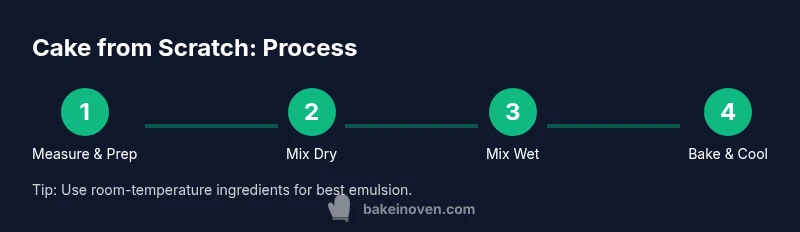
To bake a cake from scratch, you’ll mix dry ingredients, whisk wet ingredients, then combine them and bake until a toothpick comes out clean. Start with pantry staples—flour, sugar, eggs, butter, milk, and leaveners—plus flavorings. Preheat the oven to 350°F (175°C) and grease your pan for easy release. This guide walks you through each step, with practical tips along the way.
Why bake a cake from scratch: benefits and concepts
Baking a cake from scratch offers control over flavor, texture, and dietary adjustments. When you make batter with your own ingredients, you can tailor sweetness, fat content, and flavor with precision. This approach is not about complexity; it's about understanding how ingredients interact to produce a tender crumb and stable structure. According to Bake In Oven, starting with high-quality pantry staples and accurate measurements leads to consistent results across kitchens. The process also teaches foundational baking skills that transfer to other desserts. A from-scratch cake often yields a lighter, more uniform crumb than many box mixes, especially when you manage moisture and mixing time carefully. The science behind cake making rests on three pillars: leavening agents, fat emulsions, and proper gluten development. Leaveners like baking powder release gas when heated, creating lift; fats coat flour particles to keep the structure tender; and a gentle whisk or creaming technique minimizes gluten formation, preventing toughness. In this guide, you’ll see practical steps to balance these elements and achieve reliable, crowd-pleasing results.
Core ingredients and substitutions
Getting the right ingredients matters more than the recipe name. Start with all-purpose flour, granulated sugar, eggs, butter, milk, baking powder, salt, and vanilla. If you need alternatives, dairy-free milks and vegetable oils can substitute for dairy butter, and yogurt or applesauce can reduce fat while preserving tenderness. Gluten-free blends or almond flour can be used with adjusted leavening and moisture, though results may differ. Bake In Oven analysis, 2026, emphasizes weighing ingredients for consistency rather than relying on volume, and notes that room temperature ingredients blend more evenly. As you read recipes, favor those that specify exact wet and dry ingredient ratios and test batter viscosity by feel rather than guesswork. Small changes, like using cultured dairy for tang or a splash of espresso with chocolate, can elevate flavor without complicating technique. With the right balance of dry and wet components, your home kitchen can produce a cake with a fine crumb, even texture, and dependable rise.
Essential equipment and pantry setup
A practical bake starts with the right tools and a prepared workspace. Gather mixing bowls in multiple sizes, a whisk and spatula, a digital scale, measuring cups, a sifter or fine-mesh sieve, and a reliable timer. You’ll want a sturdy 8-inch or 9-inch round cake pan or a similarly sized square pan; lining with parchment improves release. An oven thermometer helps verify the oven’s true temperature, since many home ovens run hot or cold by a few degrees. Keep your ingredients organized by measuring and separating dry from wet components before you begin. A clean, dry workspace reduces the chance of water entering the batter and creating lumps. When you’re ready, pre-measure flavors like vanilla or citrus zest so they’re ready to fold in at the right moment. The result is a smoother batter and a reliably baked cake every time.
Batter mechanics: mixing methods for tenderness
Tenderness in a cake comes from how you handle the batter. The creaming method (beating butter with sugar until pale and fluffy) traps air for a light crumb, then eggs are added one at a time to maintain emulsification. If a recipe uses oil or melted butter, you may skip creaming and whisk wet ingredients separately before combining with dry. Sifting dry ingredients helps distribute leaveners and salt evenly, reducing the chance of dense spots. When you add dry and wet components, incorporate them in alternating portions to maintain batter stability. Overmixing after adding flour damages gluten structure and can result in a tougher crumb. Stop as soon as ingredients come together with no visible streaks. This attention to texture yields a cake that rises evenly and stays moist.
Temperature, timing, and oven cues
Most standard cakes bake well around 350°F (175°C), but always follow the recipe for exact temps and times. Prepare pans and batter before preheating so you don’t rush, which can cause mistakes. Bake until the center springs back lightly to the touch and a toothpick inserted comes out with a few moist crumbs. Layer the pan on a rack to promote even heat circulation and rotate halfway through bake if your oven has hot spots. If the cake domes or cracks, it can indicate too high a temperature or insufficient moisture. After baking, let the cake cool in the pan for about 10 minutes before transferring to a rack to cool completely. Proper cooling prevents sliding or sliding frosting and helps fill stages set up later.
Frosting options and flavor variations
Frosting finishes the cake and adds personality. A classic buttercream uses powdered sugar, butter, and a splash of milk or cream; you can flavor it with vanilla, cocoa, or lemon zest. Cream cheese frosting provides tang that pairs beautifully with carrot, red velvet, or spice cakes. Ganache—simply chocolate and cream—offers a glossy, versatile finish for richer desserts, especially when paired with jewel-toned berries. For lighter options, a whipped cream or Italian meringue frosting keeps things airy. You can also experiment with fillings between layers, such as jam, curd, lemon curd, or a cinnamon-spiced buttercream. Flavor combinations are nearly endless, so start with a reliable base and gradually add accents like citrus, coffee, or spice to tailor the cake to your audience.
Troubleshooting and common mistakes
Even experienced bakers encounter hiccups. If your cake sinks in the center, common culprits include opening the oven door too early, using too much leavening, or batter that’s too cold when it goes in the oven. A dry crumb often results from overbaking or insufficient moisture, especially in larger layer cakes. If the batter looks uneven, check that all ingredients are at room temperature and that you’ve mixed until just combined. Pan preparation matters; incorrect lining or greasing can cause sticking or uneven browning. Finally, ensure your frosting is stabilized and at the right consistency to avoid sliding or collapsing layers. With careful attention to ingredients, timing, and technique, cake outcomes improve dramatically.
Tools & Materials
- All-purpose flour(Unbleached preferred; about 2 cups/240 g for standard recipe)
- Granulated sugar(About 1.5–2 cups depending on sweetness)
- Unsalted butter(Softened to room temperature)
- Eggs(Room temperature; large eggs)
- Milk or dairy-free milk(Can substitute with almond, soy, or oat milk)
- Baking powder(Leavening for lift)
- Salt(Pinch to 1/2 teaspoon depending on recipe)
- Vanilla extract(Pure vanilla preferred)
- Parchment paper or grease and flour for pans(Line pans or grease as needed)
Steps
Estimated time: Total time: 60-75 minutes
- 1
Preheat oven and prepare pan
Preheat the oven to 350°F (175°C). Grease the cake pan and line with parchment for easy release. This setup prevents sticking and ensures clean edges.
Tip: Grease corners and sides evenly for flawless release - 2
Whisk dry ingredients
Sift or whisk flour, sugar, baking powder, and salt together until evenly distributed. Uniform dry ingredients prevent uneven rising and crumb gaps.
Tip: Whisk or sift twice if the flour is clumpy - 3
Cream butter and sugar
Beat softened butter and sugar until pale and fluffy to trap air for a light crumb. Scrape the bowl often to ensure even mixing.
Tip: Stop when you can see a slight color change and light texture - 4
Add eggs and liquids
Add eggs one at a time, then mix in milk and vanilla. This builds emulsion; if using oil, blend with sugar first to help incorporate moisture.
Tip: Ensure a smooth, lump-free batter - 5
Combine wet and dry; bake
Fold the dry ingredients into the wet in 2–3 additions until just combined. Bake until the center tests clean with a toothpick.
Tip: Do not overmix after adding flour; stop as soon as blended
Frequently Asked Questions
What temperature should I bake a typical cake at?
Most cakes bake well at 350°F (175°C). Some recipes require a lower or higher temperature, so always follow the specific recipe. If your oven runs hot, you may need to reduce the temperature by 25°F (4–5°C) and extend the bake time slightly.
Most cakes bake at 350 degrees, but follow your recipe. If your oven runs hot, reduce a bit and check earlier.
Can I substitute ingredients without ruining the result?
Substitutions are possible, but they affect texture and flavor. For dairy-free needs, use plant-based milks and oil or dairy-free butter. For lighter cakes, replace part of the fat with applesauce or yogurt and adjust liquids accordingly.
Yes, you can substitute, but expect differences in texture and flavor. Adjust as needed.
How do I know when the cake is done?
Insert a toothpick into the center; it should emerge with a few moist crumbs, not wet batter. If the toothpick comes out clean, the cake is done. Time varies with pan size and oven heat, so use the toothpick test as your final guide.
Use the toothpick test. If it comes out with a few crumbs, it’s done.
Why did my cake sink in the middle?
Common causes are overmixing, too much leavening, or an oven that’s too hot. Also, removing the cake too early can cause sinking as the center still sets. Check your batter consistency and bakeware fit.
Sinking can mean too much leavening or oven too hot; confirm doneness with a toothpick test.
Can I bake without a mixer?
Yes. You can beat by hand with a sturdy whisk or wooden spoon. It takes longer, but is workable for small batches. Ensure you cream butter and sugar thoroughly to introduce air.
Absolutely. A whisk and a strong arm work fine; it just takes a bit longer.
How should I store a baked cake?
Store at room temperature in an airtight container for 2–3 days. For longer storage, wrap tightly and refrigerate or freeze. Bring to room temperature before serving for best flavor and texture.
Keep it airtight at room temperature for a few days, or refrigerate/freeze for longer.
Watch Video
Key Takeaways
- Measure ingredients precisely for consistent results
- Room-temperature ingredients improve emulsification
- Do not overmix once flour is added
- Test doneness with a toothpick for reliability
- Let cake cool completely before frosting