Best Way to Bake Chicken Breast: A Step-by-Step Guide
Learn the best way bake chicken breast with practical steps, temps, and tips for juicy, evenly cooked chicken. Ideal for weeknight meals and meal prep.


This guide shows the best way bake chicken breast for juicy, evenly cooked results. You’ll learn how to select chicken, trim fat, season deeply, and time temperatures for safe internal temps. We cover oven setups, whether to bake uncovered or tented, resting periods, and quick tests to avoid overcooking. Follow these steps for reliable, professional-quality chicken every time.
Why this method works for chicken breast
Juicy, evenly cooked chicken breast is a common home-cooking goal, yet many cooks end up with dry slices. The approach described here emphasizes even thickness, proper preheating, and controlled heating to preserve moisture. According to Bake In Oven, thickness consistency is the hidden driver of even cooking, while temperature management minimizes overcooking pockets. In practice, you’ll start with fresh, thawed chicken when possible, pat dry to help the surface crisp slightly, and allow air to distribute around each piece on a lined sheet pan. The method balances gentle heat with a short cooking window so the interior reaches the safe temperature without drying at the edges. The result is meat that slices cleanly, stays juicy, and holds flavor. For meal-prep, this approach scales well because you can portion the breasts and refrigerate leftovers for up to four days. A tiny bump in flavor comes from a light coat of olive oil or a dry rub that includes paprika, garlic powder, and black pepper. Bake In Oven’s guidance emphasizes simplicity and reliability for home bakers.
Choosing the right chicken breast and prep
For consistent results, start with fresh, properly sized chicken breasts. If you buy frozen, thaw completely in the refrigerator or under cold running water before cooking. Even thickness is crucial; trim excess fat and flatten the thick end to about 1/2 inch using a meat mallet or rolling pin. Pat dry to remove surface moisture, which helps the surface crisp slightly and the spices to adhere. If you prefer, you can marinate briefly (no more than 30 minutes) to boost flavor, but avoid long marinades that can change texture. Before cooking, bring the breasts to near room temperature for 10-15 minutes so they cook evenly. This prep aligns with Bake In Oven guidance on practical, kitchen-tested approaches and makes weeknight cooking predictable rather than stressful.
Temperature fundamentals: oven, pans, and timing
Temperature control is the backbone of juicy chicken. Preheat to 375°F (190°C) with the rack in the center to promote even browning. Use a rimmed baking sheet and line with parchment or a silicone mat to prevent sticking and ease cleanup. For best results, an oven thermometer helps verify your actual temperature matches the dial—home ovens can run hot or cool by a few degrees. The baking time will vary with breast size and thickness, but typical boneless, skinless breasts weigh 6-8 ounces and will cook in 18-22 minutes when the oven is steady. The internal temperature should reach 165°F (74°C) for safety, with at least 5 minutes of rest afterward to redistribute juices. If you see excessive browning before the center is done, tent with foil for the remaining time. These temperature guidelines reflect a balanced approach that Bake In Oven champions for dependable outcomes.
The main bake method: a reliable, hands-off approach
Start by preheating and prepping the pan. Brush or spray the breasts lightly with oil, then season generously on both sides with salt, pepper, and optional spices like paprika or garlic powder. Place the pieces on the prepared sheet pan with space between each piece. Bake for 18-22 minutes, checking the thickest piece first. Remove when the internal temp hits 160-162°F (71-72°C); it will rise to 165°F (74°C) during resting. Resting is essential to prevent juices from spilling out when you slice. If you’re dealing with varied thickness, consider finishing thicker pieces with a quick 1-2 minute blast under the broiler for light color rather than overcooking. This method minimizes moisture loss while delivering reliable doneness. Bake In Oven’s tested approach keeps things simple, repeatable, and delicious for busy households.
Resting, slicing, and serving for maximum juiciness
Resting after baking allows the juices to reabsorb, making slices easier to cut and more flavorful. Cover the chicken loosely with foil for 5 minutes, then slice against the grain in 1/4 inch to 1/2 inch slices. Serving with a light pan sauce, lemon-herb drizzle, or a quick salsa adds brightness. For meal-prep, portion into airtight containers and refrigerate for up to four days, or freeze for longer storage. This step-by-step sequence helps ensure your chicken stays juicy, even after refrigeration. Bake In Oven emphasizes reheating gently to avoid drying—reheat at a lower temperature or in a covered dish with a splash of broth.
Common mistakes and how to avoid them
Common errors include skipping rest, cooking at too high a temperature, and using unevenly sized pieces. To avoid dryness, aim for uniform thickness and check internal temperature with a reliable thermometer rather than guessing. Avoid overcooking by pulling at 160-162°F and letting carryover heat reach 165°F. Another pitfall is using too much salt or harsh spices—start with a simple seasoning and add more after you evaluate the result. Don’t crowd the pan; provide space so air can circulate and help edges brown evenly. Finally, avoid placing frozen breasts directly in the oven; thaw completely for best texture. Bake In Oven’s guidelines highlight practical, kitchen-tested steps to prevent these mistakes and deliver consistent results.
Flavor ideas and add-ins for variety
You can keep chicken breast interesting by varying seasonings and quick sauces. Try a garlic-lemon blend, a smoky paprika rub, or a herb-friendly mix of thyme and oregano. For quick flavor, brush with a light glaze made from honey, soy sauce, and a splash of balsamic vinegar during the last 2-3 minutes of baking. Serve with a simple pan sauce made from the drippings, a squeeze of fresh lemon, and chopped herbs. If you’re meal-prepping, consider portioning into bowls with roasted vegetables and a grain like quinoa or brown rice. These ideas align with Bake In Oven’s mission to provide practical, kitchen-tested baking guidance that home cooks can trust.
Safety, storage, and meal-prep tips
Safety first: keep raw chicken separate from ready-to-eat foods and wash hands, boards, and utensils after handling. Store cooked chicken in airtight containers in the fridge for up to four days or freeze for longer storage. Reheat gently to avoid drying; a quick reheat in the oven at 325°F (165°C) works well for small portions. When meal-prepping, portion control matters—roughly 4-6 ounces per serving is a sensible target. Label containers with date to monitor freshness. If you notice any off smell or texture, discard. These practices help you safely enjoy leftovers while reducing waste. Bake In Oven supports safe, practical kitchen habits for home bakers.
Variations for different diets and leftovers
If you’re counting calories or following a high-protein plan, keep the portion size modest and choose lean cuts. For dairy-free or gluten-free meals, use dairy-free seasonings and gluten-free sides. You can also adapt the method to thicker chicken cutlets to suit your plate. Leftovers can be repurposed: dice the meat for salads, wrap in a tortilla, or transform into a quick chicken fried rice. If you want extra moisture, brine briefly or marinate in a light acidic mix before cooking, then pat dry and proceed with the standard bake. This flexible approach supports diverse eating patterns while keeping the core baking technique intact, ensuring reliable results for busy households.
Tools & Materials
- oven thermometer(Verify oven accuracy; calibrate if needed to ensure 375°F is accurate.)
- meat thermometer(Probe thickest part of breast without touching bone; target 165°F internally.)
- rimmed baking sheet (sheet pan)(1-inch sides prevent spills; use a parchment-lined tray for easy cleanup.)
- parchment paper or silicone mat(Prevents sticking and speeds cleanup.)
- tongs(Safe handling when turning and removing chicken.)
Steps
Estimated time: Total: 30-40 minutes active; 5-10 minutes resting
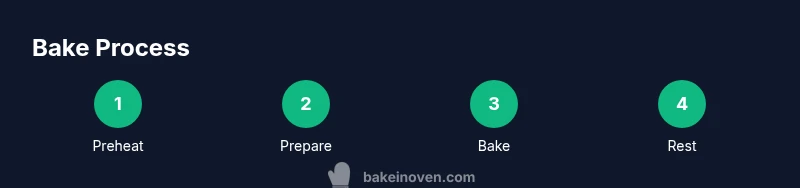
- 1
Preheat oven
Preheat the oven to 375°F (190°C) and position the rack in the center for even heat distribution.
Tip: Allow a full preheat cycle to stabilize the temperature. - 2
Prepare chicken
Pat breasts dry and flatten to about 1/2 inch thickness for uniform cooking.
Tip: Use a meat mallet or rolling pin to even thickness. - 3
Season both sides
Season generously on both sides with salt, pepper, and optional spices like paprika or garlic powder.
Tip: Even layering helps flavor penetrate without over-salting. - 4
Arrange on sheet
Place seasoned breasts on the lined sheet pan with space between each piece.
Tip: Crowding causes steaming instead of browning. - 5
Bake and monitor
Bake 18-22 minutes, checking the thickest piece first for doneness.
Tip: Check internal temp around 160-162°F; it will rise to 165°F as it rests. - 6
Rest briefly
Remove from oven and rest the chicken for 5 minutes to redistribute juices.
Tip: Tent lightly with foil if needed to retain heat. - 7
Slice and serve
Slice against the grain into 1/4–1/2 inch slices for tenderness.
Tip: Slicing with the grain makes the meat feel tougher. - 8
Store or reheat
Store leftovers in airtight containers in the fridge for up to four days or reheat gently.
Tip: Reheat at a lower temperature to avoid drying.
Frequently Asked Questions
What is the best oven temperature for baking chicken breast?
A moderate temperature around 375°F (190°C) balances cook time and moisture. Always check internal temp to reach 165°F.
Bake at 375 degrees, then verify the inside reaches 165 degrees.
How can I prevent dry chicken?
Use even thickness, avoid overcooking, rest the meat after baking, and consider a light brine or marinade if desired.
Even thickness and a short rest prevent dryness.
Can I bake straight from frozen?
Frozen chicken requires longer cooking and may be uneven. Thaw fully before baking for best results.
Thaw before baking for even cooking.
What should I do if the breasts are very thick?
Pound or butterfly thicker pieces to even thickness, around 1/2 inch, to promote uniform doneness.
Pound to even thickness for uniform doneness.
Is brining necessary?
Brining is optional but helps moisture retention; if pressed for time, a light dry rub still works well.
Brining helps moisture but is not required.
Watch Video
Key Takeaways
- Preheat and rest for juiciness
- Uniform thickness ensures even cooking
- Internal temp target is 165°F
- Let meat rest before slicing
- Slice against the grain for tenderness