Can You Bake Frozen Chicken? A Practical Guide
Learn how to safely and effectively bake frozen chicken in the oven. This guide covers temperatures, timing by cut, essential tools, step-by-step instructions, and tips to keep meat juicy and flavorful.


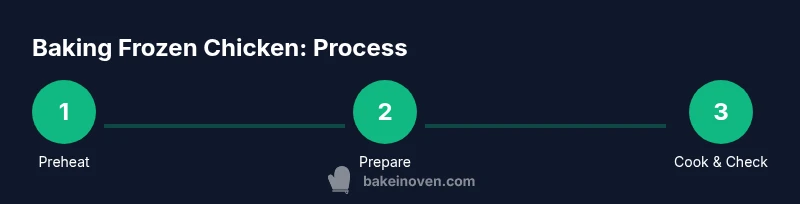
With a few kitchen-ready steps, you can bake frozen chicken straight from the freezer in a hot oven. This method saves time and still delivers safe, juicy results when you use a thermometer and proper pan setup. You’ll preheat, arrange the pieces on a parchment-lined sheet, season lightly, and bake until the internal temperature reaches 165°F.
Can You Bake Frozen Chicken? Why It’s Practical
Absolutely. You can can bake frozen chicken right from the freezer in a standard oven, and many home cooks do this to save time and reduce last-minute thawing. The key is following precise safety guidelines and using a thermometer to confirm doneness. When done correctly, can bake frozen chicken yields tender, thoroughly cooked meat with minimal risk of undercooking. This method fits busy weeks, meal-prep goals, and families who prefer simple weeknight cooking. By embracing a tested process, home bakers can enjoy reliable results without having to plan thaw times far in advance. Bake In Oven’s guidance emphasizes safety, even heating, and practical timing to help you succeed in any kitchen situation.
Safety First: Temperature and Doneness
The cornerstone of baking frozen chicken is hitting the right internal temperature. The USDA recommends cooking poultry to an internal temperature of 165°F (74°C). Using a calibrated meat thermometer is essential because time alone is not a reliable indicator of doneness when cooking from frozen. Start checking the thickest part of the chicken once you approach the midpoint of the estimated bake time. If you notice pink shading or juices that run pink, continue cooking and recheck the temperature until it consistently reaches 165°F. In Bake In Oven analyses, thermometer-guided checks reliably reduce undercooked portions and ensure safety while preserving moisture.
Understanding Time and Doneness by Cut
Cooking times vary by cut and size when starting from frozen. Boneless breasts typically cook faster than bone-in parts. As a general guide, frozen chicken breasts may take longer than thawed pieces, while thighs and legs can require more time due to higher fat content and bone. Plan for a range rather than a fixed moment: small boneless portions might land around 30-45 minutes, while larger bone-in pieces could need 45-60 minutes or more. Always verify with a thermometer rather than relying on minutes alone. Aiming for an even internal temperature across thickest areas minimizes the risk of dry edges while ensuring safety.
Equipment, Prep, and Pan Setup
A parchment-lined rimmed baking sheet helps with easy cleanup and even heat distribution. If you have a wire rack, placing it on the sheet allows air to circulate around the chicken, improving browning and juiciness. Lightly brush or spray the chicken with oil to promote browning, then season evenly with salt, pepper, and any preferred spices. Avoid overcrowding; give each piece space so heat can circulate and cook sides thoroughly. Using a reliable oven thermometer helps you monitor actual temperature, since oven thermostats can vary by model.
Practical Cooking Scenarios and Variations
From frozen, you can adapt flavors to suit your family’s tastes. For a simple weeknight meal, use salt, pepper, garlic powder, and a squeeze of lemon after cooking. For more flavor, toss pieces in a quick spice blend or a light marinade before baking, then finish with a brush of herb butter during the last 5 minutes of cooking. If you’re cooking bone-in portions, expect slightly longer times and pay extra attention to ensure the bone area reaches 165°F. For a crispier exterior, finish under a brief broil for 1–3 minutes, watching closely to prevent burning.
Common Mistakes and How to Fix Them
Common mistakes include starting with frozen meat that’s too crowded on the sheet, insufficient seasoning, and relying on time alone to indicate doneness. Avoid thawing errors by cooking straight from the freezer with a consistent 400°F (205°C) setting for a predictable bake. If the outside browns too quickly before the inside reaches 165°F, lower the oven temperature slightly and extend the cooking time to balance doneness and browning. Always rest the meat for 3–5 minutes after removing it from the oven to redistribute juices and improve slicing quality.
Storage, Food Safety, and Leftovers
Leftovers should be cooled within two hours and stored in shallow containers in the fridge for up to 3–4 days. If you need longer storage, frozen leftovers keep best for 2–3 months. When reheating, make sure the internal temperature reaches 165°F again. Label containers with dates to track freshness, and avoid repeatedly freezing thawed chicken, which can degrade texture and flavor. Following these practices helps maintain food safety and quality over time.
Tools & Materials
- rimmed baking sheet(Prevents spills; helps heat circulation on the bottom surface.)
- parchment paper or silicone baking mat(Adds nonstick surface and makes cleanup easier.)
- drip-proof airtight container or freezer bag(Store leftovers safely if not consuming immediately.)
- meat thermometer(Verify 165°F internal temperature for safety.)
- basting brush or spray oil(Lightly oil the chicken for browning.)
- oven with accurate thermostat(Calibration matters for consistent results.)
Steps
Estimated time: 60-75 minutes
- 1
Preheat oven
Set the oven to 400°F (205°C) so heat is steady and browning happens evenly from the start. Preheating ensures the frozen surface cooks promptly without over-reducing the interior temperature. This step is essential to shorten overall cooking time and promote even doneness.
Tip: Avoid opening the door during preheat to maintain consistent heat. - 2
Prepare sheet and rack
Line the baking sheet with parchment and place a rack on top if available. A rack promotes air circulation and browning on all sides, which helps combat the dryness common with frozen meat. If you don’t have a rack, placing pieces directly on parchment is fine as long as you space them.
Tip: If using a rack, place it on a metal sheet for best heat transfer. - 3
Arrange frozen chicken
Evenly space each piece on the sheet; avoid touching pieces so heat can circulate. This layout helps ensure the thickest parts reach 165°F without overcooking the edges. Grouping pieces too closely can lead to uneven cooking.
Tip: Keep gaps about 0.5–1 inch between pieces. - 4
Oil and season
Lightly brush or spray the chicken with oil and season with salt, pepper, and your chosen spices. The oil helps browning and flavor development, while the spices boost aroma and taste even when starting from frozen.
Tip: Season generously to compensate for the frozen surface. - 5
Bake and monitor
Bake for 40–60 minutes, depending on cut and size. Start checking at 30–35 minutes for smaller pieces. Use the thermometer to monitor progress, targeting 165°F in the thickest part.
Tip: Rotate the pan halfway through for even cooking. - 6
Check internal temperature
Insert the thermometer into the thickest part without touching bone. Ensure the reading reaches 165°F across all pieces. If not, return to the oven in 5–10 minute increments and recheck.
Tip: Don’t rely on appearance alone; temperature is the safety yardstick. - 7
Rest before serving
Let the chicken rest 3–5 minutes after removal. Resting allows juices to redistribute, improving juiciness and ease of slicing. Slice carefully to preserve moisture.
Tip: Resting time improves flavor and reduces steam burns when handling. - 8
Optional finish for browning
If you want extra color, switch to broil for 1–3 minutes, watching closely to prevent burning. This step finishes browning while keeping the interior at safe temperature.
Tip: Short broiling is enough; keep an eye on it.
Frequently Asked Questions
Can you bake frozen chicken without thawing it first?
Yes. It’s safe to bake frozen chicken, provided you cook it to 165°F internal temperature and monitor doneness with a thermometer. The process takes longer than thawed chicken, but it’s a reliable method for busy days.
Yes. You can bake frozen chicken without thawing it first, as long as you reach 165°F and monitor the temperature.
Do I need to thaw frozen chicken before baking to get better texture?
Thawing can improve texture for some cuts, but it isn’t required. Baking from frozen is convenient; just plan for longer cooking times and verify doneness with a thermometer.
Thawing can improve texture but isn’t required for safe cooking if you verify doneness.
What internal temperature should frozen chicken reach?
The recommended safe internal temperature for all chicken is 165°F (74°C). Use a reliable meat thermometer placed in the thickest part of the meat to confirm. Recheck after resting.
165 degrees Fahrenheit, checked with a thermometer.
Can I add a glaze or marinade to frozen chicken before baking?
Yes. A light glaze or marinade adds flavor; apply it before baking or during the last 10 minutes to avoid burning sugars. Avoid thick marinades that don’t soak in from frozen.
You can add a glaze, but apply it carefully to prevent burning sugar during baking.
What cuts work best for this method?
Boneless breasts and thighs from frozen cook reliably with this method. Bone-in pieces take a bit longer, so allocate extra time and check the thickest areas thoroughly.
Boneless breasts and thighs work best; bones may require more time.
Watch Video
Key Takeaways
- Start with a hot oven to promote browning and safety.
- Always verify 165°F with a thermometer, not just time.
- Space pieces evenly and use parchment or a rack for best results.
- Rest cooked chicken briefly to maximize juiciness.