How to Make Easy Banana Bread: Step-by-Step Guide
Learn to bake easy banana bread with a forgiving batter, pantry staples, and step-by-step guidance. This kitchen-tested guide covers ingredients, tools, tips, and variations for a perfect loaf.


By following this guide, you will bake easy banana bread with a forgiving batter that yields a moist, flavorful loaf. You’ll learn essential ingredients, simple equipment, and the few steps needed to transform ripe bananas into a reliable, pantry-friendly bake. This is a practical, kitchen-tested method designed for home bakers of all levels.
Why Easy Banana Bread Works as a Starter Bake
According to Bake In Oven, easy banana bread is a forgiving baking project that helps new bakers build confidence in measuring, mixing, and oven timing. The recipe emphasizes flexible ingredient masses and simple techniques, making it ideal for weekend bakers and busy cooks alike. The loaf yields a moist crumb and rich sweetness without requiring advanced equipment, which is why it remains a staple in many home kitchens. In this section, we explore why this recipe works so well, and how you can adapt it to your taste while staying beginner-friendly. By starting with pantry staples and a few simple steps, you can master the basics of quick breads and set a foundation for other oven-baked treats.
Key Ratios for a Reliable Banana Bread
A reliable banana bread starts with a balanced ratio between dry ingredients, bananas, and fat. In general, a modest amount of mashed banana provides moisture and sweetness without overpowering the crumb, while a gentle amount of sugar supports browning and flavor. Leavening is typically designed to lift the batter without creating a dense texture, and a small kiss of vanilla can enhance the banana aroma. The goal is a batter that is thick enough to hold its shape in the pan but flexible enough to trap air during mixing. If you adjust one component, consider how it affects moisture and crumb so the loaf stays tender and sliceable.
Ingredient Substitutions and Variations
Banana bread is forgiving enough to accommodate substitutions. You can swap half the all-purpose flour for whole wheat for extra fiber, or use a mix of all-purpose and almond flour for a nuttier crumb. For fat, melted butter is classic, but neutral oil or applesauce can work if you want a lighter mouthfeel or dairy-free option. Optional add-ins like walnuts, pecans, or chocolate chips offer texture and flavor. Be mindful that add-ins can change bake time slightly, so plan to check doneness a few minutes earlier or later accordingly. The key is to keep the batter balanced while letting the bananas shine.
Preparing Your Batter: From Bananas to Batter
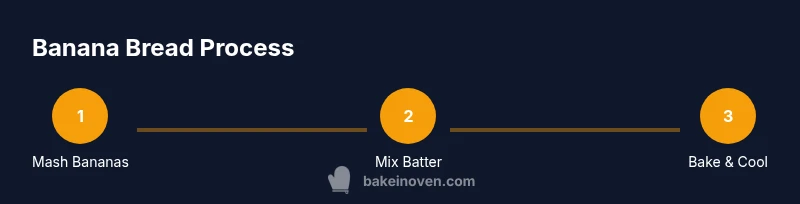
Start with ripe bananas for natural sweetness and moisture. Mash them thoroughly until there are few lumps. Whisk eggs, melted butter (or oil), vanilla, and mashed bananas together to create a cohesive wet base. In a separate bowl, combine flour, baking soda, and salt. Then fold the wet mixture into the dry ingredients just until blended; overmixing creates a tougher crumb. If the batter looks very thick, a splash of milk or yogurt can help loosen it slightly without thinning the texture. This approach keeps the batter easy to manage and prevents over-agitation.
Pan Size, Mixing Method, and Doneness
A standard loaf pan (around 9x5 inches) is a reliable choice for banana bread, ensuring even rise and crumb. Grease or line the pan with parchment to prevent sticking. When mixing, use a gentle fold rather than vigorous beating to preserve air pockets. Bake until the center springs back lightly and a toothpick inserted comes out with a few moist crumbs. If the top browns too quickly, tent with foil for the last part of baking. Resting the loaf briefly after baking helps the crumb set.
Common Pitfalls and How to Avoid Them
Overmixing is a common mistake that toughens the crumb. Mix just until ingredients are combined and no dry streaks remain. Underbaking leaves a gummy center, so check doneness with a toothpick in the middle. Bananas that are not ripe enough may yield less sweetness and moisture; aim for bananas with plenty of brown spots. Not greasing the pan or not using parchment can lead to sticking. Finally, allow the bread to cool completely before slicing to avoid squished slices.
Storing, Freezing, and Reheating Banana Bread
Banana bread stores well at room temperature for a couple of days, wrapped tightly. For longer storage, freeze slices or whole loaves wrapped in plastic and foil. Thaw at room temperature or warm gently in a low oven before serving. Sliced, individually wrapped portions reheat quickly in the microwave, maintaining tenderness without drying out. Proper storage helps retain moisture and flavor for days.
Serving Ideas and Flavor Enhancers
Serve slices with a smear of butter, cream cheese, or peanut butter for a richer experience. A light dusting of cinnamon or a drizzle of honey can enhance sweetness. For a brunch twist, layer banana bread with cream cheese filling or use it as a base for French toast. Pair with coffee or milk to balance sweetness and create a comforting snack.
Quick Troubleshooting Checklist
If your banana bread is too dense, check whether you used too little leavening, overmixed, or used too much flour. If the loaf feels dry, consider increasing banana content or fats in future batches. If the crust is too dark, consider lowering oven temperature slightly or covering with foil toward the end of baking. If you cannot find ripe bananas, the batter can still rise with a proper amount of leavening and soft fat. If you want extra flavor, adjust vanilla or add-ins accordingly.
Tools & Materials
- Ripe bananas(about 2–3 bananas; overripe is best)
- All-purpose flour(about 1 cup)
- Granulated sugar(1/2–3/4 cup)
- Egg(1 large)
- Melted butter or oil(1/4 cup)
- Vanilla extract(1 teaspoon)
- Baking soda(1 teaspoon)
- Salt(1/4 teaspoon)
- Milk or yogurt(2–3 tablespoons if batter is very thick)
- Loaf pan (9x5 inches)(Lightly grease or line with parchment)
- Parchment paper(Optional for easy release)
- Mix-ins (nuts or chocolate chips)(1/2–1 cup, optional)
- Mixing bowls(Two bowls for dry and wet ingredients)
- Whisk and spatula(For mixing dry/wet ingredients)
- Measuring cups/spoons(For accurate measurements)
- Oven thermometer(Helps ensure accurate temperature)
Steps
Estimated time: 60-75 minutes
- 1
Preheat oven & prepare pan
Preheat your oven to a moderate temperature and lightly grease a 9x5 loaf pan or line it with parchment. This ensures the bread bakes evenly without sticking. Having the pan ready prevents delays once the batter is mixed.
Tip: Avoid spray oils that leave a sticky residue; parchment helps release the loaf cleanly. - 2
Mash the bananas
Peel and mash the bananas until mostly smooth with a few small lumps for texture. Riper bananas yield more flavor and moisture, which is key for a forgiving batter.
Tip: Mash directly in the bowl to minimize cleanup and promote easy mixing later. - 3
Whisk wet ingredients
In a separate bowl, whisk together eggs, melted butter (or oil), vanilla, and the mashed bananas until well combined. This creates a smooth wet base for the batter.
Tip: Make sure the butter is not hot when mixing with eggs to avoid scrambling. - 4
Combine dry ingredients
In another bowl, whisk flour, baking soda, and salt until evenly distributed. Uniform distribution prevents dense pockets in the batter.
Tip: Sifting is optional but helps keep the crumb light if your flour is dense. - 5
Fold wet into dry
Fold the wet mixture into the dry ingredients just until combined. A few small lumps are okay; overmixing can create a tough crumb.
Tip: Use a gentle folding motion with a spatula to preserve air in the batter. - 6
Add-ins & loosen batter
If using nuts or chocolate chips, fold them in now. If the batter seems very thick, stir in a tablespoon or two of milk or yogurt to reach a spoonable consistency.
Tip: Avoid dumping in all moisture at once; add gradually to maintain structure. - 7
Bake & test for doneness
Pour batter into the prepared pan and bake until a toothpick comes out with a few moist crumbs. Oven temperatures vary, so start checking around the 50–60 minute mark.
Tip: If the top browns too quickly, loosely cover with foil to prevent over-browning. - 8
Cool & slice
Let the bread cool in the pan for 10 minutes, then transfer to a rack to cool completely before slicing. This yields cleaner slices and a tender crumb.
Tip: Waiting to slice until fully cooled prevents crumbling.
Frequently Asked Questions
What is the key to moist banana bread?
Moisture comes from ripe bananas, proper fat, and careful mixing. Avoid overmixing and underbaking to keep the crumb tender.
Moist banana bread comes from ripe bananas and proper mixing; avoid overmixing and underbaking.
Can I freeze banana bread?
Yes. Cool completely, wrap tightly, and freeze for up to three months. Thaw at room temperature or reheat gently.
Yes, you can freeze banana bread; wrap well and freeze up to three months.
Can I use whole wheat flour?
Whole wheat can work with extra moisture. Start with half whole wheat and half all-purpose to maintain lightness.
You can use half whole wheat to keep a lighter crumb.
What if my bananas aren’t very ripe?
Riper bananas are best for flavor and moisture. If not, add a touch more sugar and bake a bit longer to compensate.
If your bananas aren’t ripe, you may need a touch more sugar and slightly longer baking time.
What pan size is best?
A 9x5 inch loaf pan is standard and reliable for even rise; adjust if using a different pan size.
Use a 9x5 loaf pan for best results.
Watch Video
Key Takeaways
- Choose ripe bananas for best flavor and moisture
- Measure dry and wet ingredients accurately
- Avoid overmixing to keep a tender crumb
- Let the loaf cool completely before slicing