How to Bake Lobster Tail at Home
Master baking lobster tail with a kitchen-tested method from Bake In Oven. Learn prep, trimming, garlic butter, precise timing, and serving ideas for restaurant-quality results at home.


Learn to bake lobster tail to perfection using a simple, kitchen-tested method. Start with thawed tails, trim the shell, and baste with garlic butter before a hot bake. This guide covers prep, timing, and a butter-forward finish for restaurant-quality meat. Whether you’re new or experienced, you’ll achieve juicy meat every time.
Why Lobster Tail Deserves a Gentle Bake
Lobster tail is a delicate protein that rewards careful handling. When you bake, the goal is to preserve natural sweetness and moisture while achieving a light, slightly crisp edge. A gentle bake helps prevent the meat from drying out, especially with tails of varying sizes. The timing is short and precise, but the payoff is significant: juicy, tender meat that shines with butter, citrus, and a touch of seasoning. According to Bake In Oven, starting with thawed lobster tails and patting them dry helps the butter adhere and promotes even cooking. A minimal seasoning pattern—salt, a whisper of pepper, and a touch of lemon zest—lets the lobster flavor take center stage. You’ll notice the meat turning opaque and glossy as it nears doneness, signaling readiness. Use a shallow pan or rack so the tails cook evenly and the butter doesn’t pool under the shell. With the right setup, you can achieve restaurant-quality results in your own kitchen.
Choosing and Preparing Lobster Tails
Selection matters: look for bright shells, tightly closed tails, and firm, translucent flesh. If tails are frozen, thaw slowly in the refrigerator or under cold running water; avoid quick thawing that can affect texture. When you’re ready to cook, pat the tails dry with paper towels to help the butter stick and to prevent steam from softening the meat. The size of the tail matters for timing, but with a single bake temperature, you can achieve consistent results by browning under the shell where possible and baste the exposed meat for moisture. Before cooking, trim any dark vein at the center of the meat if preferred, and set tails on a baking sheet with a rack or on a lightly oiled sheet to avoid sticking.
Garlic Butter and Flavor Building
A garlic butter baseline adds aroma, richness, and a glossy finish. Melt unsalted butter, then whisk in minced garlic, a pinch of salt, lemon zest, and a splash of lemon juice. You can customize with fresh herbs such as parsley or chives, or a pinch of paprika for color. Brush under the meat and over the exposed surface so every bite carries flavor. The butter acts as a protective barrier against overcooking while helping the meat brown slightly at the edges. For a dairy-free option, use olive oil with garlic and lemon zest, but be aware the texture and flavor will differ from traditional butter.
Prepping the Shell: Trimming, Scoring, and Exposing Meat
Proper shell prep ensures the meat cooks evenly and the presentation is clean. Use kitchen shears to cut along the top shell from the hinge toward the tail, stopping just before the fin end. Gently pry the shell apart and lift the meat, keeping it attached at the base. Rest the meat on top of the shell to prevent curling. A light score in the meat can help penetration of heat and butter, but avoid cutting too deep. This step is crucial for uniform doneness and for allowing butter to baste the meat thoroughly.
The Bake Plan: Temperature, Time, and Basting
Preheat your oven to a hot but controlled temperature (about 425°F / 218°C) and position the rack in the middle. Place tails on a rack over a baking sheet to ensure air reaches all sides. Brush the exposed meat generously with garlic butter, then slide the tails into the oven. Bake for a short window, typically 8–12 minutes for regular tails, longer if they’re very large. Start checking at 8 minutes by inspecting the meat color; you want it opaque and just firm. Re-baste halfway through for an even, glossy finish and to prevent drying out.
Troubleshooting: Common Issues and Fixes
If the meat looks translucent or rubbery, it’s undercooked or overcooked in spots—check your tail sizes and adjust bake time next time. If the butter is burning, reduce oven heat slightly or shorten bake time and baste only at the end. If the shell browns before the meat, remove the sheet and tent with foil for a minute or two to finish cooking. Always rest the tails for a couple of minutes after removing from the oven; this helps the juices redistribute. Finally, if your butter sauce separates, whisk in a spoonful of warm butter and a dash of lemon juice to re-emulsify.
Plating, Sauces, and Sides
Lobster tail is elegant on a simple plate with a wedge of lemon and a light herb garnish. Serve with extra garlic butter on the side for dipping, and consider a crisp green salad or roasted vegetables as a balance to the rich meat. For dipping sauces, a light aioli or drawn butter with lemon works well. If you want a brighter finish, finish the dish with a pinch of flaky sea salt and black pepper. The goal is clean, simple plating that shows off the tail’s natural color.
Food Safety, Leftovers, and Storage
Cooked lobster tail should be eaten promptly, but you can refrigerate leftovers within two hours. Store in a shallow, airtight container for up to two days. Reheat gently in a low oven (or warm briefly in a skillet with a splash of water) to avoid drying the meat. Do not refreeze thawed lobster, as the texture will degrade. When in doubt, rely on visual cues: the meat should be opaque, not translucent, and should easily separate from the shell when heated.
Quick Reference Cheat Sheet
- Temperature: 425°F (218°C) in a middle rack bake
- Time: 8–12 minutes for standard tails; adjust by size
- Butter: garlic, lemon, salt; apply under and over meat
- Doneness: meat should be opaque, pearly white, and firm
- Safety: refrigerate leftovers promptly and reheat gently
Tools & Materials
- Fresh lobster tails(6-8 oz each preferred; thaw or keep frozen as needed)
- Kitchen shears(To cut through shell along the top)
- Sharp paring knife(For trimming and vein removal if desired)
- Basting brush (silicone)(For applying garlic butter under and over meat)
- Garlic butter mixture(Melted butter with minced garlic, lemon zest, salt)
- Lemon wedges(For serving and brightness)
- Baking sheet with rack or parchment(Prevents sticking and improves even browning)
- Meat thermometer (optional)(Check internal temp if unsure)
Steps
Estimated time: 30-40 minutes
- 1
Thaw and pat dry
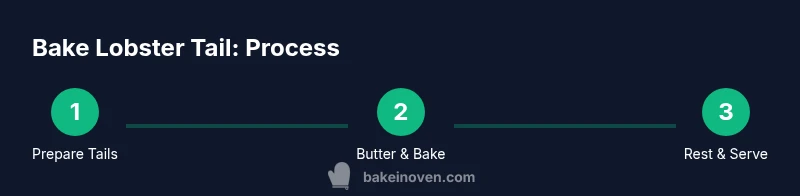
If using frozen tails, thaw slowly in the fridge or under cold running water. Pat dry thoroughly with paper towels to remove surface moisture, which helps butter adhere and prevents steaming the meat during bake.
Tip: Dry surfaces improve browning and prevent soggy meat. - 2
Preheat oven and prep equipment
Preheat oven to 425°F (218°C) and position the rack in the middle. Set a rack over a baking sheet to promote air circulation around the tails for even cooking.
Tip: A rack elevates the tails so butter drips away rather than pooling. - 3
Trim top shell and expose meat
Cut along the top shell from hinge toward tail with kitchen shears, stopping before the fin end. Gently pry the shell and lift the meat, keeping it attached at the base.
Tip: Rest meat on the shell to prevent curling and ensure uniform browning. - 4
Loosen meat and rest on shell
Loosen the meat from the shell a bit further so it sits nicely on top, making sure it remains attached at the base. This ensures even exposure to butter and heat.
Tip: A light score in the meat can help heat penetration without breaking the meat apart. - 5
Make garlic butter
Melt butter and whisk in minced garlic, salt, lemon zest, and lemon juice. This butter will flavor the meat and aid browning.
Tip: Make butter ahead for easier basting during bake. - 6
Butter tails and prepare to bake
Brush the meat under and over with the garlic butter. Place tails on the rack-over-sheet and ensure the exposed meat is evenly coated.
Tip: Baste halfway through to maintain moisture and gloss. - 7
Bake and monitor
Bake for 8–12 minutes for standard tails, longer for larger tails. Check color; the meat should turn opaque and firm without burning the butter.
Tip: Start testing at 8 minutes to avoid overcooking. - 8
Rest, serve, and enjoy
Let the tails rest 2–3 minutes after removing from the oven. Serve with extra butter and lemon wedges.
Tip: Resting helps redistribute juices for juicier meat.
Frequently Asked Questions
What is the best temperature to bake lobster tail?
A common target is 425°F (218°C) for a quick, even cook. Adjust slightly for tail size and oven performance. The goal is opaque, just-firm meat with a glossy finish.
Bake at about 425 degrees Fahrenheit until the meat is opaque and tender.
How long does it take to bake lobster tail?
Most tails take 8 to 12 minutes, depending on size. Larger tails may need a minute or two more. Start checking at the 8-minute mark to avoid overcooking.
Most tails bake in 8 to 12 minutes; start checking at eight minutes.
Should I thaw frozen lobster tails before baking?
Yes. Thawing gradually in the refrigerator or under cold water yields a more even texture than a quick thaw.
Yes, thaw frozen tails slowly for even cooking.
Can I use broil or grill instead of baking?
Broil or grill are viable alternatives but require careful monitoring to prevent burning. Bake remains the most forgiving method for even results.
Broiling or grilling works, but baking is more forgiving for even doneness.
How do I tell when the lobster is done?
The meat should be opaque, firm, and white with a slight pearly gloss. If you have a thermometer, aim for about 140–145°F (60–63°C) at the center.
Look for opaque, firm meat; use a thermometer if you’re unsure.
Watch Video
Key Takeaways
- Prepare tails properly to ensure even cooking.
- Butter is essential for moisture and flavor.
- Monitor closely to avoid overcooking the delicate meat.
- Shelled presentation looks elegant with minimal effort.
- Serve with bright accompaniments to balance richness.