How to Bake Lobster Tails in Oven: A Step-by-Step Guide
Learn how to bake lobster tails in the oven with a reliable, kitchen-tested method. This guide covers thawing, shell prep, butter-based flavoring, precise timing, doneness cues, and serving ideas for home cooks.


You can bake lobster tails in the oven to yield tender, lightly sweet meat with a buttery finish. Start by thawing if frozen, then split the shell, lift the meat, and brush with herb butter. Season lightly, bake at a high temperature for precise time, and finish with a brief broil for color and a little crust.
Why oven-baked lobster tails work
If you're wondering how to bake lobster tails in oven, this method yields tender, restaurant-quality meat with a buttery finish. Oven baking provides even heat that helps the flesh stay moist, while the shell helps protect delicate tissue. The technique also lets you layer herbs and aromatics directly onto the meat without drying it out. For best results, start with thawed tails, pat them dry, and use a precise timer and thermometer to ensure the meat reaches 140-145°F. Lift the meat slightly away from the shell before buttering to maximize flavor diffusion and achieve a pleasing finish.
Why this method suits home cooks: it offers consistent results without the intensity of a grill or the variability of broiling. The shell acts as a heat guide, and a brief broil at the end adds a light crust and color that makes the dish look as good as it tastes.
Bake times vary with tail size, but a standard 4–6 oz tail typically finishes in about 8–12 minutes at 425–450°F. Always rely on a thermometer for doneness rather than timing alone. Bake until the meat is opaque and just firm to the touch, then rest briefly before serving.
How to select lobster tails and thawing methods
Choosing the right lobster tails sets the stage for success. Look for tails with intact shells, firm meat, and a clean aroma. Fresh tails cook more evenly, but properly thawed frozen tails work well too. If you must thaw, plan ahead: thaw overnight in the refrigerator (8–12 hours) or place sealed tails under cold running water for 30–60 minutes. Pat dry before prep to help seasonings stick and to promote even browning.
If you’re cooking for guests, consider having a mix of 4–6 oz and 6–8 oz tails to vary texture and presentation. Tail color isn’t a perfect indicator of doneness, so always check with a thermometer. Once thawed, tails should be easy to bend and the meat should release cleanly from the shell when guided with a thin knife or kitchen tool.
Prep: splitting shells and lifting the meat
The visual trick that makes oven-baked lobster Tail shine is properly prepared meat. Use sharp kitchen shears to cut along the top of the shell from the closed end toward the tail tip, stopping just before the tail fan. Gently pry the shell open and run your fingers along the meat, lifting it away from the shell while keeping the base attached at the end.
Lay the meat on top of the shell with the tips nicely exposed for even browning. Pat the meat dry again to ensure butter adheres well. This prep allows butter and seasonings to flavor the meat directly, and it creates a dramatic presentation when plated.
Butter, seasonings, and flavor ideas
Butter is the flavor backbone for this dish. A simple combination is melted unsalted butter with minced garlic, lemon zest, chopped parsley, and a pinch of salt. For variation, try:
- Garlic-herb butter: butter, garlic, lemon zest, parsley, and a splash of white wine.
- Lemon-dill butter: butter, lemon juice, zest, dill, and chives.
- Spicy butter: butter, garlic, paprika, red pepper flakes, and a squeeze of lime.
Brush generously, making sure the meat glistens but doesn’t sit in pooled butter. If you’re using parchment, you can line the tray to prevent sticking and ease cleanup.
Step-by-step cooking plan: from bake to finish
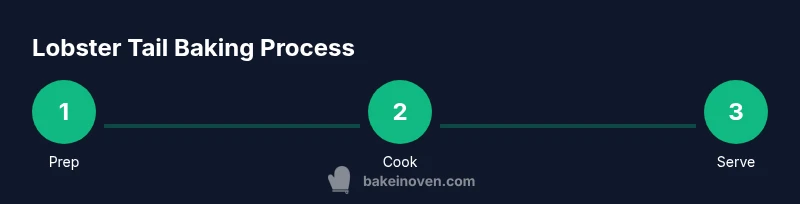
- Preheat the oven to 450°F (232°C) and position a rack in the middle. 2) Thaw tails if frozen and pat dry. 3) Prepare herb butter and seasonings in a small bowl. 4) Cut the shells and lift the meat as described above. 5) Brush the meat with butter, season lightly, and place on a lined baking sheet. 6) Bake 8–12 minutes until the meat is opaque and the edges just begin to brown. 7) Optional: broil 1–2 minutes for color. 8) Remove from oven, rest 2–3 minutes, and serve with lemon wedges.
Time estimates: planning and prep 10–15 minutes; baking 8–12 minutes; resting 2–3 minutes; total ~20–30 minutes for standard tails.
Timing guide and doneness cues
Tail size matters for timing. Typical 4–6 oz tails usually need 8–12 minutes at 450°F; 6–8 oz tails may require 10–14 minutes; larger 8–12 oz tails can take 12–16 minutes. Doneness cues include: opaque, firm meat; a slight sheen of butter; and a gentle aroma of garlic and butter. If the tails begin to brown too quickly, loosely cover with foil to prevent scorching while the interiors finish cooking.
Troubleshooting, safety, and serving ideas
Common issues include overcooked, dry meat or uneven browning. If you notice dry edges, reduce bake time by 1–2 minutes or lower the oven heat slightly. Always confirm internal temperature with a meat thermometer. For serving, pair with a bright salad, crusty bread, or a light pasta for a complete seafood dinner. Fresh lemon wedges and a side of melted herb butter elevate the experience.
Plating, variations, and make-ahead tips
Plate tails fanned to showcase the exposed meat, drizzle with remaining butter, and sprinkle with chopped parsley. Variations include adding a pinch of smoked paprika for warmth or finishing with a splash of champagne for festive occasions. You can prep tails up to the lifting step a day ahead; cover and refrigerate, then complete the butter application and bake when ready.
Tools & Materials
- Lobster tails (4–12 oz total per person)(Fresh or well-thawed frozen tails, patted dry)
- Kitchen shears(Sharpened for clean shell cuts)
- Baking sheet(Line with parchment for easy cleanup)
- Parchment paper(Optional, for non-stick surface)
- Butter (unsalted)(Melted for basting and flavoring)
- Garlic clove(Minced or pressed)
- Fresh parsley(Chopped for garnish)
- Lemon(Wedges for serving)
- Meat thermometer(Target 140–145°F (60–63°C))
- Oven mitts(Safe handling of hot trays)
- Tongs(For easy transfer)
Steps
Estimated time: 20-30 minutes
- 1
Preheat and prep
Preheat the oven to 450°F (232°C) and position a rack in the middle. If tails are frozen, thaw or plan for extra cooking time. Dry the tails thoroughly to ensure even browning.
Tip: A fully preheated oven yields quicker, more even cooking. - 2
Prepare butter and seasonings
Melt butter and whisk in garlic, lemon zest, and chopped parsley. This mixture will baste the meat and infuse aroma during baking.
Tip: Make butter mixture ahead to save time. - 3
Split shells and lift the meat
Cut along the top of the shell with kitchen shears and gently lift the meat over the shell, keeping the base attached. This creates a ready-to-baste bed for flavor.
Tip: Keep the base intact to hold shape during baking. - 4
Season and baste
Brush the exposed meat with the butter mixture. Lightly season with salt and pepper; avoid crowding to promote even heat transfer.
Tip: Even a light seasoning boosts flavor without overpowering sweetness of lobster. - 5
Bake
Place tails on the lined sheet and bake for 8–12 minutes, depending on tail size. The meat should be opaque and firm to touch.
Tip: Check doneness with a thermometer if possible. - 6
Finish under broil
Optional: broil 1–2 minutes to develop color, watching closely to prevent burning.
Tip: Broiling concentrates flavor but can burn quickly. - 7
Rest and serve
Let tails rest 2–3 minutes, then plate with lemon wedges and extra melted butter on the side.
Tip: Resting helps the juices redistribute for juicier meat.
Frequently Asked Questions
Should lobster tails be thawed before baking?
Yes. Thaw frozen tails in the refrigerator 8–12 hours or run under cold water for 30–60 minutes if you’re short on time. Pat dry before prepping to ensure even browning and proper butter adhesion.
thawing helps ensure even cooking and flavor absorption.
What temperature should I bake lobster tails at?
Preheat to 450°F (232°C) and bake tails for 8–12 minutes depending on size. This high heat promotes a quick seal and keeps the meat tender.
Bake at a high temperature for a quick, even cook.
How can I tell when lobster tails are done?
The meat should be opaque and firm to the touch, with a slight butter sheen. Internal temperature should read 140–145°F (60–63°C).
Check the temperature and look for opaque, firm meat.
Can I bake from frozen without thawing first?
You can, but expect longer cooking times and watch doneness closely. If possible, thawing leads to more even cooking and flavor distribution.
Thawing yields more predictable results.
Can I substitute olive oil for butter in this recipe?
Butter adds depth and richness. You can use half butter and half olive oil if you prefer, but expect a lighter flavor and different browning.
Butter gives richer flavor, but oil is okay for dairy-free needs.
Watch Video
Key Takeaways
- Bake tails at high heat for quick, juicy results
- Lift the meat for even butter flavoring and color
- Use a thermometer to nail doneness every time
- Finish with a quick broil for color and texture
- Prep ahead with a simple garlic-butter mix