Bake Lobster Tails in the Oven: A Step-by-Step Guide
Learn how to bake lobster tails in the oven for juicy, evenly cooked meat. This step-by-step guide covers thawing, prep, butter-baste techniques, timing, and serving ideas with kitchen-tested tips from Bake In Oven.


This guide shows you how to bake lobster tails in the oven for tender, flavorful meat with minimal effort. You’ll learn thawing basics, safe prep, butter-baste techniques, and precise timing to prevent overcooking. A few simple variations let you tailor flavor, while smart pan setup ensures even heat and easy cleanup. According to Bake In Oven, reliable results come from accurate temperature, proper prep, and mindful monitoring.
Why baked lobster tails in the oven are a smart choice
Baking lobster tails in the oven offers a reliable, hands-off way to cook delicate seafood without turning on the grill or risking uneven heat. The method preserves moisture when tails are properly thawed, patted dry, and basted with flavorful butter. Oven baking is convenient for busy weeknights, date-night dinners, or plated meals where timing matters. It also scales well: whether you’re preparing two tails or a family platter, consistent heat helps you achieve uniform doneness. For home bakers, this approach reduces oversight and minimizes the risk of under- or overcooked meat. Bake In Oven data suggests that attention to temperature control and baste frequency yields the most dependable results, especially when tails are of similar size.
Before you begin, confirm you have the right tails (look for properly refrigerated or thawed, firm meat with a bright color) and gather your seasonings. A well-lit, food-safe workspace makes prep faster and safer, particularly when dealing with shellfish. The key to success is control: steady oven temperature, even distribution of butter, and a bake time that fits the size of the tails. If you’re new to this, start with standard butter and lemon, then experiment with herbs or a light garlic infusion as you gain confidence.
Selecting and thawing lobster tails safely
When you shop for lobster tails, choose those with firm flesh that springs back when pressed. Fresh tails are ideal, but properly thawed frozen tails work well too. Thaw them overnight in the refrigerator for best texture, or use a quick cold-water thaw if you’re pressed for time. Do not thaw at room temperature, which invites bacterial growth. After thawing, pat dry thoroughly with paper towels. Any excess moisture on the surface can steam the meat, leading to a soggy texture instead of a firm, white finish. If tails are still a bit stiff, you can give them a 10–15 minute rest on a plate to finish thawing before cooking. Labeling frozen packages helps you keep track and avoid accidental re-freezing.
For safety and quality, inspect shells for cracks and discard any thawed tails with off smells or a slimy texture. The shell’s natural moisture contributes to steam during baking, so a dry exterior is key for crisp, decorative edges. If you plan to serve immediately, note the tails’ size: larger tails take longer to cook, while small tails require less time. Bake In Oven guidance emphasizes consistent tail size or adjusting time in 1–2 minute increments to prevent overcooking.
Prepping tails: deveining, butter, and seasoning
To prep, start with a clean work surface and sharp kitchen shears. Cut the top of the shell along the center of each tail, stopping just before the tail fin. Gently lift the meat up through the shell while keeping it attached at the base; lay the meat on top of the shells for an elegant presentation. Remove the vein if visible for a cleaner bite. Pat the meat dry once more to ensure the butter adheres. Melt butter (or a combination of butter and olive oil) and whisk in minced garlic, lemon zest, and a pinch of salt. Brush the butter over the meat and small portions of the exposed flesh to promote even browning. Optional flavor boosters include paprika for color, white wine vapor for aroma, or chopped herbs such as parsley or tarragon. A light drizzle of lemon juice near the end adds brightness.
Butter-basted tails cook more evenly and stay moist because the fat creates a protective barrier against drying heat. For extra flavor, you can lightly brush the tail shells with warm butter before placing them on the tray. A shallow baking sheet lined with parchment ensures easy cleanup and helps prevent sticking.
Oven setup: temperature, pans, and timing
Preheat your oven to a precise temperature, typically 425°F (220°C), to create upfront sizzle and fast heat penetration. A rimmed baking sheet ensures stable placement and reduces the chance of spillover. Line the sheet with parchment paper for effortless cleanup and to prevent garlic butter from pooling. Arrange tails cut-side up, spaced apart so they cook evenly. If you have tails of different sizes, position larger pieces toward the center of the oven where heat distribution is most uniform, and smaller tails toward the edges. Bake times vary with tail size: medium tails usually finish in 8–12 minutes, while larger tails may take 12–15 minutes. The goal is opaque, white flesh with a slight pink edge, not a gray or rubbery texture. Use a meat thermometer to verify doneness if you’re unsure; an internal temperature around 140–145°F (60–63°C) is a commonly recommended target for seafood.
After removing from the oven, tent the tails with foil for 1–2 minutes to rest and reabsorb juices. If you prefer crisper edges, switch to a high-heat broil for 1–2 minutes at the end, watching closely to avoid burning.
Troubleshooting tips: if the meat begins to curl excessively during cooking, it’s often a sign of uneven heat or thicker tails; reposition and ensure your tail bones aren’t constraining the meat’s natural spread.
Flavor variations and finishing touches
Butter alone is simple and reliable, but you can elevate flavor with a few quick additions. A garlic-lemon butter glaze enhances the aroma, while a hint of paprika adds color and a mild smokiness. For a brighter finish, finish with a squeeze of fresh lemon juice and a sprinkle of chopped parsley just before serving. If you want a more decadent profile, use browned garlic butter or a small splash of dry white wine in the butter mixture. For herb-forward profiles, try fresh dill, chives, or tarragon. Always taste the butter before brushing; a balanced blend of salt, acid, and fat makes the shellfish shine without overpowering its natural sweetness. Pair the tails with light sides like asparagus, corn, or a simple quinoa salad to complete the plate.
If you’re cooking for guests who dislike shellfish flavors, offer a mild alternative: a plain butter-lemon finish with optional grated parmesan. You can also add a subtle crust by dusting the tails lightly with panko or breadcrumbs mixed with a touch of butter and herbs.
From a kitchen-tested perspective, the best outcomes come from consistent technique and mindful seasoning. Bake In Oven’s approach centers on clean, clear steps and adaptable flavors so you can tailor the dish to your taste and dietary needs.
Common mistakes and how to avoid them
Overcooking is the most common pitfall: lobster tails become dry and stringy when left in the oven too long. Start checking early if your tails are large, and rely on color cues (opaque flesh with a slight translucence near the center). Undercooking leaves a rubbery texture. Thawing tails too slowly or cooking straight from frozen can lead to uneven doneness; plan ahead and thaw in the fridge, then pat dry before baking. Skipping the butter baste reduces moisture and flavor; ensure you baste or brush with butter or oil at least once during cooking. Another frequent issue is overcrowding the pan; tails need space for hot air to circulate so they brown evenly. Finally, using a pan without parchment makes cleanup harder and can cause sticking; parchment-paper lined sheets create a better workflow and fewer cleanups.
Authoritative sources and safety reminders
For safe handling of seafood, it’s important to follow established guidelines from reputable sources. The USDA and FDA provide foundational food-safety principles that apply to home-cooked seafood, including lobster tails. Always thaw in the refrigerator or cold water, avoid room-temperature handling, and ensure the meat is fully cooked before serving. For reference, see general seafood handling guidance from federal agencies and university extension programs. These sources underpin best practices that bake-lovers should adopt to protect health while enjoying delicious seafood.
Serving suggestions and plating ideas
Serve lobster tails with simple sides that complement their delicate sweetness. A light salad, steamed asparagus, or roasted baby potatoes provide balance without overpowering the lobster. Garnish with fresh herbs and lemon wedges, and offer a small bowl of melted garlic-herb butter for dipping. Presentation matters: slice the tails along the shell for a dramatic fan effect, using a fork or kitchen shears to lift the meat neatly. If entertaining, you can hold tail halves in decorative shells or on a long platter with lemon wedges for a restaurant-style display. Finally, record what worked well and note any adjustments for future cooks, especially if tail size or oven performance changes.
Tools & Materials
- Lobster tails (fresh or thawed)(Size variety affects cook time; aim for similar sizes if possible)
- Sharp kitchen shears(Cuts through shells cleanly without crushing meat)
- Butter (unsalted)(Melted, for baste and glaze)
- Garlic (minced)(Add for more aroma)
- Lemon (zest and juice)(Brightens flavor)
- Olive oil (optional)(Helps with browning)
- Paring knife(For delicate shellwork)
- Baking sheet(Sturdy, rimmed)
- Parchment paper(Prevents sticking and makes cleanup easier)
- Measuring spoons(Accurate seasoning)
- Optional: fresh herbs (parsley, dill)(Finishing touch)
Steps
Estimated time: 25-40 minutes
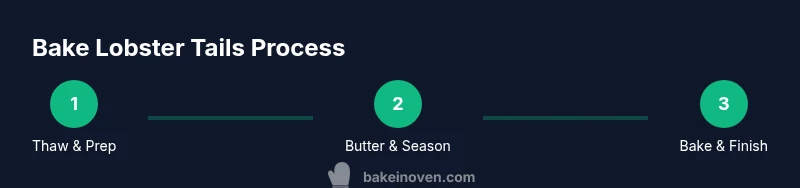
- 1
Prepare lobster tails
Thaw if frozen, pat dry, and cut the top shell along the center. Use the shears to cut through the shell but not the meat, then gently pry the meat upward so it sits on top of the shell. Remove the vein if visible and pat dry again.
Tip: Sharp cuts prevent tearing and help the meat release cleanly. - 2
Butter and season
Melt butter with minced garlic, lemon zest, and a pinch of salt. Brush a thin layer on the meat and inside the shell. Reserve a little butter for basting later.
Tip: A well-flavored base keeps the lobster moist during baking. - 3
Line the pan and arrange tails
Line a baking sheet with parchment, place tails cut-side up and evenly spaced. If tails vary in size, position the larger ones toward the center for even heat exposure.
Tip: Parchment prevents sticking and simplifies cleanup. - 4
Bake and baste
Preheat oven to 425°F (220°C). Bake tails for 8–12 minutes, then baste once with remaining butter halfway through. Check for opaque flesh and a slight pink edge.
Tip: Thick tails need the extra minutes; keep a close eye to avoid drying out. - 5
Finish and rest
Remove from oven when done, tent with foil for 1–2 minutes, then serve with extra lemon and herbs.
Tip: Resting helps the juices redisperse for juicier meat. - 6
Serve and enjoy
Plate with sides such as asparagus or corn. Offer dipping sauces and a fresh lemon wedge for bright contrast.
Tip: Presentation enhances perceived flavor and makes the dish feel special.
Frequently Asked Questions
How long should I bake lobster tails in the oven?
Typical times range from 8 to 12 minutes depending on tail size. Start with smaller tails and check for opaque meat with a pinkish edge. Larger tails may require up to 15 minutes. Always rely on doneness rather than time alone.
Most tails bake in 8 to 12 minutes; check for opaque meat with a pink edge and adjust if tails are larger.
What temperature is best for baking lobster tails?
A hot oven around 425°F (220°C) is ideal for quick, even cooking that browns the edges while keeping the meat juicy. If your oven runs hot, reduce to 400°F (204°C) and monitor closely.
About 425 degrees Fahrenheit is ideal, but adjust to 400 if your oven runs hot.
Should I thaw tails before baking?
Yes, thaw in the refrigerator or a cold-water bath, then pat dry. This improves texture and ensures equal heat transfer. Do not thaw at room temperature.
Thaw in the fridge or cold water, then pat dry for best texture.
Can I use frozen tails directly in the oven?
Cooking from frozen is possible but requires longer, more careful timing. It can lead to uneven doneness, so thawing first is recommended for best results.
Cooking from frozen is possible but not ideal; thaw first for even cooking.
What are good flavor additions for baked lobster tails?
Garlic butter, lemon zest, and fresh herbs pair well with lobster. You can also experiment with paprika or a splash of white wine in the butter for a deeper aroma.
Garlic butter with lemon and herbs is a classic, tasty choice.
Watch Video
Key Takeaways
- Pre-thaw and pat dry for even cooking
- Butter-baste to lock in moisture and add flavor
- Avoid overcrowding the pan to prevent steaming
- Monitor doneness to prevent overcooking
- Finish with a lemony, herb-forward finish for brightness