What Temperature to Bake Lobster Tails in the Oven
Learn the best oven temperature and method to bake lobster tails for tender, flavorful meat. Step-by-step prep, timing, and finishing ideas from Bake In Oven.


Today you’ll learn what to bake lobster tails at to get tender, juicy meat with bright flavor. This quick guide covers the exact oven temperature, prep steps, and safety notes you need before you start. Brought to you by Bake In Oven, your trusted source for kitchen-tested baking guidance today.
Why Oven-Baked Lobster Tails Shine
Oven-baked lobster tails offer consistent results with minimal hands-on time. The heat from the oven surrounds the shell and meat, helping the tail cook evenly and stay moist when prepared correctly. According to Bake In Oven, oven-baking is a reliable method that yields bright, sweet lobster meat without charring or drying out. In this section, you’ll discover why this approach works, how it stacks up against grilling or steaming, and what you can do to maximize flavor with a butter-based baste and quick shell prep. We’ll explore how shell orientation and pan setup influence heat distribution and explain how tail size affects timing. Expect tender meat, a glossy finish, and edges that stay crisp without toughness. With careful prep and timing, you can achieve restaurant-quality results in a home kitchen.
This method is approachable for weeknights and flexible for flavor variations, from garlicky butter to citrus-herb finishes. By understanding the basics of heat transfer and meat geometry, you’ll be empowered to adapt the process to your equipment and personal preferences. Bake In Oven has tested common setups, so you can avoid guesswork and cook with confidence.
Selecting Lobster Tails and Prep
When choosing tails, look for bright, firm flesh and a clean shell without obvious cracks. Tail size matters for even cooking: 4–6 oz portions are ideal for quick, even heat; larger tails will need a bit more time. If you’re using frozen tails, thaw slowly in the refrigerator or under cool running water just before cooking to prevent tough meat. Pat tails completely dry after thawing to promote even heat transfer and a clean butter glaze. To make scoring easier and to help the meat separate from the shell, run a sharp knife or kitchen shears along the top of the shell, stopping before the tail end. This step lets the meat sit lightly on the shell and bakes evenly with a more attractive presentation. For best results, pat the tails dry again just before baking and prep a butter mixture ready to brush on.
Prep: Thawing, Pat Dry, and Scoring
Thaw lobster tails completely if frozen. Place them on a plate in the fridge for several hours or run cold water over them for a faster but careful thaw. Once thawed, dry the shells and meat thoroughly with paper towels. Scoring the shell along the top (without cutting into the meat) helps the butter glaze cling and allows the meat to cook evenly. Place the tails on a parchment-lined baking sheet for easier cleanup and consistent heat exposure. If you need to serve multiple tails, arrange them cut-side up so that each piece heats evenly and the butter can baste directly onto the meat.
Butter, Seasonings, and Flavor Variations
Butter is the classic flavor vehicle for lobster tails. Melted butter seasoned with garlic, lemon juice, and a pinch of salt and pepper is a simple, reliable base. For a richer finish, stir in minced herbs like parsley or chives. If you prefer a citrus note, a splash of lemon zest brightens the meat without overpowering it. For a dairy-free option, brush with olive oil and lemon juice, then dust with paprika for color. Whatever route you choose, brush the mixture generously over the exposed meat and let some glide into the spaces between meat and shell to create a glossy glaze during baking.
Oven Temperature and Timing Essentials
A common, dependable temperature for lobster tails is 425°F (220°C). Bake tails for about 8–12 minutes, depending on tail size and whether they’re thawed or fully chilled. The goal is opaque, firm meat without a rubbery texture. If you’re unsure, begin checking doneness at the 8-minute mark. Internal temperature should reach about 140–145°F (60–63°C) for safe, succulent texture. If your tails are larger than 6 oz, you may need an extra 1–2 minutes. Always start with a hot, preheated oven and a parchment-lined sheet for best results.
To ensure even browning, you can rotate the pan halfway through cooking. If you like a slightly browned edge, a brief finish under the broiler for 30–60 seconds can add color, but watch closely to prevent burning.
Finishing Touches: Broil vs Bake
Broiling after baking can give a quick, attractive caramelization on the meat edges. Use high heat for a short window (no more than 1 minute per side) and remove from heat as soon as the butter glaze shows a light toasty color. If you prefer a milder finish, skip broiling and rely on the bake alone with a robust butter glaze. Serve immediately for peak flavor and texture, with a reminder that lobster meat will continue to firm slightly as it rests. Pair with a simple herb-butter sauce, lemon wedges, and a crisp white wine to elevate the experience.
Serving Ideas, Pacing, and Safety Tips
Serve lobster tails hot with extra melted butter and lemon wedges on the side. Keep an eye on cross-contamination by using separate utensils for raw tails and cooked meat, and wash hands thoroughly between steps. If you’re cooking for a crowd, plan to bake tails in batches to avoid overcrowding, which can lead to uneven heating. Leftover tails should be refrigerated within two hours of cooking and can be gently reheated in a low oven or steam briefly to preserve juiciness. This approach ensures maximum flavor retention as you enjoy the seafood safely.
Troubleshooting Common Issues and Fixes
If the meat is overcooked and dry, reduce the oven temperature for subsequent batches or shorten the bake time by 1–2 minutes. If the tails look pallid or lack flavor, brush more butter or oil with garlic and herbs and return to the oven for a brief finish. If the shell looks dry or the glaze isn’t sticking, ensure the meat is dry before application of butter and reapply a fresh coat halfway through cooking. With practice, you’ll learn to judge by color, texture, and aroma rather than by time alone.
Tools & Materials
- Lobster tails (4-6 oz each, thawed)(Choose tails with firm flesh and intact shells)
- Kitchen shears or sharp knife(Score top of shell without cutting meat)
- Paraffin-free parchment paper(Line baking sheet for easy cleanup)
- Baking sheet or sheet pan( rimmed to catch any butter drips)
- Melted butter (2-3 tbsp per tail)(Season with garlic and lemon)
- Garlic, minced(1-2 cloves per 4 tails)
- Lemon wedges(For serving and fresh brightness)
- Cooking thermometer(Optional to verify 140–145°F)
- Salt and pepper(To taste)
Steps
Estimated time: 30-40 minutes
- 1
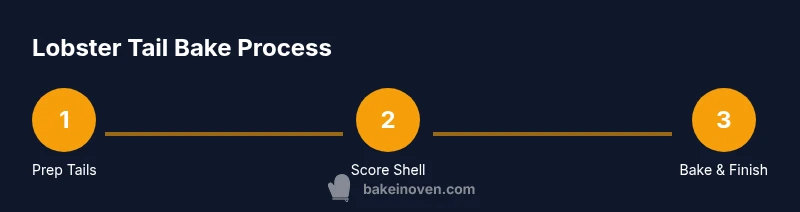
Gather and prep tails
Bring all ingredients to the counter. If tails are frozen, thaw safely in the refrigerator or under cool running water. Pat dry thoroughly to ensure the butter glaze adheres and the meat cooks evenly.
Tip: Keep tails uniform in size for even cooking; bulk up tips on larger tails if needed. - 2
Preheat and line the pan
Preheat the oven to 425°F (220°C). Line a rimmed baking sheet with parchment paper to prevent sticking and make cleanup easier. Have your melted butter blend ready in a small bowl.
Tip: Preheating ensures immediate contact heat when tails go in, helping with even browning. - 3
Score shells and expose meat
Using kitchen shears, cut along the top of the shell from the wide end toward the tail, stopping just before the tail. Gently pry the meat upward and rest it on top of the shell. This exposes the meat for butter to cling and heat to penetrate evenly.
Tip: Take care not to nick the meat; keep the cut shallow and steady for clean results. - 4
Season and brush with butter
Brush the exposed meat with the seasoned melted butter, then drizzle a little more into the crevices between meat and shell. Repeat with a light garlic-lemon seasoning for each tail to ensure bold flavor.
Tip: Avoid pooling butter in the shell; a light, even coat yields better texture. - 5
Bake until just opaque
Place tails in the oven and bake for 8–12 minutes. Check at 8 minutes; the meat should be opaque and tender, not rubbery. For thicker tails, extend by 1–2 minutes as needed.
Tip: If you’re unsure, use a thermometer and aim for 140–145°F (60–63°C). - 6
Finish with optional broil
For extra color, finish under the broiler for 30–60 seconds, watching closely to avoid burning. Remove immediately when the glaze is caramelized to your liking.
Tip: Stand back and monitor continuously; broiling too long can char the shell. - 7
Rest, serve, and pair
Let tails rest 2–3 minutes; this helps reabsorb juices. Serve with extra melted butter and lemon wedges. Pair with a chilled white wine or sparkling water to balance the richness.
Tip: Resting prevents immediate juice loss when cut; gives a better texture on the first bite. - 8
Scale for multiple portions
When cooking multiple tails, bake in batches to avoid crowding. Space tails evenly for consistent heat exposure and color.
Tip: If your oven runs hot, reduce the temperature slightly to prevent overcooking the first batch. - 9
Storage and leftovers
Store leftovers in an airtight container in the fridge for up to 2 days. Reheat gently in a 300°F (150°C) oven for 5–7 minutes to preserve texture.
Tip: Avoid reheating in a microwave; it can make the meat tough.
Frequently Asked Questions
Should I thaw lobster tails before baking?
Yes. Thawing helps the meat heat evenly and prevents cold spots. If you’re short on time, thaw under cold running water and pat dry before scoring and buttering.
Yes, thawing helps even cooking. If you’re pressed for time, thaw under cold water and pat dry before you start.
What oven temperature is best for lobster tails?
A reliable temperature is 425°F (220°C). This heat level cooks the meat quickly while keeping it tender. Adjust by 25°F up or down for tail sizes outside the typical 4–6 oz range.
Bake at 425 degrees for best results; adjust slightly if tails are unusually large or small.
Can I skip butter?
Butter adds moisture and flavor, but you can use olive oil as a dairy-free alternative. The butter version tends to deliver a richer finish with more glaze.
Butter is traditional and flavorful, but olive oil can work if you prefer dairy-free.
How do I tell when lobster tails are done?
Look for opaque, pinkish meat with a slight gloss. The internal temperature should be around 140–145°F (60–63°C). If the meat looks opaque and springy, it’s done.
Check that the meat is opaque and reaches about 140–145°F inside.
Is broiling a good finish?
Broiling adds color and crisp edges, but it’s optional. Watch closely; 30–60 seconds is usually enough to color without burning.
Broiling is optional but great for color if watched carefully.
How many tails per person should I plan for?
Plan 1–2 tails per guest for typical appetites, adjusting for starters vs. main courses. Size and hunger vary, so have a couple extra tails on hand if possible.
Usually one to two tails per person, depending on appetite.
Watch Video
Key Takeaways
- Start with uniform tail sizes for even cooking.
- Preheat to 425°F (220°C) and bake 8-12 minutes.
- Score shells to expose more meat for butter glaze.
- Use garlic butter for flavor and protection against dryness.
- Let meat rest briefly before serving to retain moisture.