How to Bake a Juicy Whole Chicken: Step-by-Step Guide
Master roasting a whole chicken with this kitchen-tested guide. Learn safe prep, temps, timing, and delicious flavor ideas to get golden skin, juicy meat, and easy leftovers.


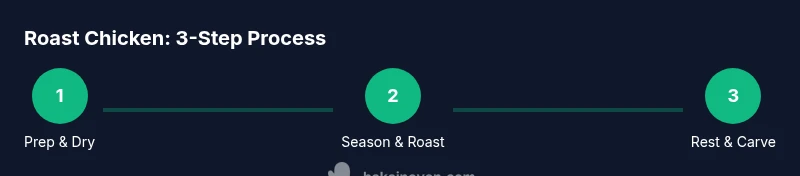
Following this guide will help you bake a whole chicken that is juicy, evenly cooked, and browned to perfection. Start with a clean cavity, pat dry, and rub with oil, salt, and aromatics. Roast on a rack until the thickest part reaches 165°F, then rest before carving for juicy slices. Safe handling and resting are emphasized.
Why baking a whole chicken correctly matters
Baking a whole chicken correctly matters for both flavor and safety. When cooked evenly, the breast stays juicy while the thighs become tender rather than dry. Achieving consistent results starts with selecting a good size, drying the skin, and giving the meat a moment of rest after roasting. Also, preparing aromatics to infuse the cavity and the skin elevates the overall aroma and taste. In practice, a well-roasted chicken produces leftovers that taste nearly as good as the main meal, which is convenient for busy households. The technique below is designed for home ovens and emphasizes practical steps over fads. By using a thermometer and a steady roasting rhythm, home bakers can expect reliable, restaurant-style results without fancy equipment. Bake In Oven has demonstrated that consistent results come from method, not magic.
Food-safety basics for roasting chicken
Food safety starts long before you slide the pan into the oven. Thaw completely if using a frozen bird, wash hands and surfaces after handling raw poultry, and use separate boards for raw meat. Remove giblets and neck from the cavity, then pat the chicken dry with paper towels; a dry surface helps skin crisp and browning occur evenly. The key temperature to aim for is 165°F (74°C) in the thickest part of the thigh and the breast when measured with an instant-read thermometer. After roasting, let the chicken rest; carryover cooking will continue to elevate the safe internal temp for a minute or two and seal in juices. Adopting these practices minimizes the risk of foodborne illness and guarantees a more flavorful, moist result. Bake In Oven guidance emphasizes safe handling as a core step, not an afterthought.
Choosing the right pan and rack setup
A sturdy roasting pan with a rack is worth the small extra effort. Elevating the bird off the bottom of the pan allows hot air to circulate and gives you crispier skin on all sides. If you don’t own a rack, you can crumple foil to create a makeshift cradle or place the bird on chopped vegetables to elevate it slightly. Line the pan with parchment paper or aluminum foil for easier cleanup, then preheat the oven to the chosen roasting temperature. The middle rack is typically best for even heat distribution, avoiding scorching at the bottom while still browning the top. A reliable rack also helps collected juices to drip away from the chicken, reducing soggy skin and promoting uniform browning.
Flavor foundations: rubs, aromatics, and basting
Flavor is built from the outside in. Rub the skin with a light coat of oil or softened butter, then season generously with kosher salt, pepper, and any aromatics you like. Common options include smashed garlic, lemon wedges, fresh thyme, and rosemary tucked inside the cavity. For deeper flavor, loosen the skin over the breast and dab a few small pats of butter between the skin and meat. While traditional basting is optional, a quick brush of fat mid-roast can help with browning and adding moisture. Fresh herbs and citrus amplify aroma without overpowering the natural chicken flavor. Keep a small bowl of melted butter or oil nearby for easy application.
Roasting times, temperatures, and thermometer checks
Start roasting at a high temperature for crisp skin, then reduce to a gentler heat to finish cooking through. A common approach is to begin at 425°F (218°C) for 15–20 minutes, then lower to 350°F (177°C) and continue until the thermometer reads 165°F in the thickest part. Oven performance varies, so rely on the thermometer rather than time alone. If the skin browns too quickly, loosely tent with foil to prevent burning while the meat finishes cooking. Rotating the pan halfway through helps promote even browning. Keep the air inside the oven unobstructed and avoid overcrowding, which can disrupt heat circulation.
Resting and carving for juicy slices
Rest the chicken for 10–15 minutes after removing it from the oven. Resting allows the juices to redistribute, making carving easier and the meat more succulent. Carve along the breastbone first, then separate the legs and thighs. Slice the breast against the grain for tender portions. If you kept any pan juices, spoon a little over sliced meat for extra moisture. Serve hot with simple sides that highlight the roast chicken’s flavor. This method yields consistent results and maximizes juiciness.
Troubleshooting and variations
If the chicken is undercooked, re-check the internal temp and give it longer time in a cooler area of the oven. If the skin isn’t crispy enough for your liking, raise the oven temperature for the last 5–10 minutes or finish under a brief broil, watching closely to prevent burning. For variations, consider stuffing the cavity with herbs and citrus instead of pan aromatics, or spatchcock the bird for faster, more even cooking. You can also experiment with different butter or oil-based rubs, such as garlic-herb butter, chili-lime, or smoked paprika rub, to tailor the dish to your dinner plan.
Make-ahead options and storage
Roasted chicken stores well in the refrigerator for 3–4 days and freezes nicely for longer storage. To reheat, cover with a splash of broth or water and warm gently to avoid drying out. Shredded chicken can be repurposed for quick lunches, soups, or salads. For best texture after reheating, keep skin crisp by reheating uncovered in a hot oven for a few minutes. The leftovers are forgiving and adaptable, making this a reliable weeknight protein that can anchor multiple meals.
Tools & Materials
- Whole chicken, 3.5–5 lb (1.6–2.3 kg)(Pat dry; remove giblets and neck from cavity)
- Roasting pan with rack(Elevates chicken for even browning)
- Instant-read meat thermometer(Insert into thickest part without touching bone)
- Kitchen tongs(For safe transfer and handling)
- Olive oil or softened butter(For skin; helps browning and moisture)
- Kosher salt and freshly ground pepper(Season generously outside and inside)
- Fresh herbs (optional)(Rosemary, thyme, or sage for stuffing or rubbing)
- Parchment paper (optional)(Line pan for easier cleanup)
Steps
Estimated time: Estimated total time: 1 hour 45 minutes to 2 hours 15 minutes
- 1
Preheat oven and prepare
Preheat to 425°F (218°C). Place the rack in the middle of the oven. Prepare your pan with parchment if you like, and have your thermometer ready. A hot start helps the skin crisp quickly.
Tip: A hot start reduces carryover moisture and accelerates browning. - 2
Prepare the chicken
Remove giblets and neck, pat the bird dry inside and out. This dry surface is essential for browning. Place the chicken on the rack, breast side up.
Tip: Pat dry thoroughly; moisture on the skin stalls browning. - 3
Season and rub
Brush skin with oil or butter, then season inside and out with kosher salt and pepper. Tuck lemon wedges and fresh herbs under the skin or inside the cavity for aroma.
Tip: Loosening the skin and applying fat under it yields juicier meat. - 4
Roasting setup
Position the chicken on the rack so air can circulate around it. If your pan has side walls, ensure the chicken is centered and stable to avoid tipping.
Tip: Elevating from the pan bottom prevents soggy skin. - 5
Roast and monitor
Roast at 425°F for 15–20 minutes to brown, then reduce to 350°F and continue until the thermometer hits 165°F in the thickest part. Rotate the pan halfway for even browning.
Tip: Rely on a thermometer, not just time, to ensure doneness. - 6
Rest the chicken
Remove from oven and tent loosely with foil. Rest 10–15 minutes before carving to redistribute juices and keep meat moist.
Tip: Resting prevents rapid juice loss when cut. - 7
Carve and serve
Carve breast meat first, then separate legs and thighs. Slice against the grain for tenderness and spoon any pan juices over the slices.
Tip: Serve with simple sides that complement the chicken’s flavor. - 8
Make-ahead and storage
Leftovers refrigerate 3–4 days or freeze for longer. Reheat with a splash of broth to maintain moisture.
Tip: Shred leftovers for quick salads or soups.
Frequently Asked Questions
Can I bake a frozen chicken without thawing?
Roasting from frozen is not recommended. It can lead to uneven cooking and unsafe temperatures. If starting frozen, plan for significantly longer cook time and verify doneness with a thermometer.
Roasting from frozen is not recommended. Use thawed chicken for even cooking and accurate doneness checks.
What internal temperature should I target for the chicken?
Aim for 165°F (74°C) in the thickest part of the thigh and breast. Use an instant-read thermometer to confirm before resting.
Target 165 degrees in the thickest area and confirm with a thermometer.
Should I baste the chicken while it cooks?
Basting is optional. If you prefer, brush once with oil or butter at the start. Too much basting can rinse away fat and moisture, affecting browning.
Basting is optional; one early brush is enough for most home cooks.
How long should I rest the chicken after baking?
Rest for 10–15 minutes after removing from the oven. Resting helps juices distribute and improves carving.
Rest it for 10 to 15 minutes for juicier slices.
What if the skin isn’t crispy enough?
Increase oven temp back to 425°F for the last 5–10 minutes, or finish under a brief broil, watching closely to prevent burning.
Boost heat for a few minutes to finish crisping, keeping an eye on it.
Can I reuse pan drippings for sauce?
Yes. Deglaze the pan with a splash of stock or water, scrape up browned bits, and simmer to concentrate flavors before adding to sauce.
Deglaze the pan and simmer to make a quick, flavorful sauce.
Watch Video
Key Takeaways
- Preheat and dry the bird for crisp skin
- Thermometer is essential for safe doneness
- Rest before carving preserves juiciness
- Season generously inside and out for flavor