How to Bake Without an Oven at Home: A Practical Guide
Learn practical, kitchen-tested methods to bake without an oven at home using stove-top pans, microwaves, grills, and countertop appliances. Safe, step-by-step guidance from Bake In Oven.


Yes—baking without an oven at home is practical using a stove-top skillet, microwave, grill, or countertop unit. Start with a batter or dough that adapts to moisture; choose a heat-safe vessel, preheat or stabilize heat, and monitor with a thermometer. Finish with cooling on a rack. Plan for longer bake times and adjust technique by recipe. Practice safe handling of hot cookware.
Why bake without an oven at home
Baking without an oven is not a workaround but a smart extension of your kitchen toolkit. When the main oven is occupied or absent, you can still produce delicious desserts, breads, and pastries with safer, slower-but-sure methods. According to Bake In Oven, oven-free baking opens new options for home bakers who want reliable textures and dependable results without relying solely on a traditional oven. The Bake In Oven team found that with the right tools, recipes, and time management, you can achieve tender cakes, crusty breads, and comforting muffins using stove-top pans, a microwave, a grill, or a countertop appliance. This article walks you through practical approaches, safety tips, and ideas to get started today, along with adjustments for texture, moisture, and flavor. You’ll learn how to choose a method, prepare your vessel, monitor doneness, and finish with proper cooling to ensure satisfying results.
Core methods and when to use them
There are multiple viable paths to bake without a traditional oven. Stove-top skillet baking provides direct heat and crust development for small breads and cakes, while microwaves excel at mug cakes and quick bakes with high-moisture batters. Grills or grill pans give a smoky edge and gentle browning, perfect for rustic breads and dense cakes. Countertop ovens or electric skillets offer more controlled heat similar to a small oven, balancing speed and texture. The key is choosing a method compatible with your recipe’s moisture, leavening, and bake time. For best results, select one method per recipe and stick with it to avoid texture surprises. Throughout, pay attention to heat levels, pan materials, and lids to trap steam when needed, which helps with rise and moist crumb. Bake In Oven’s guidance emphasizes safety, measuring temperature, and cooling properly for optimal texture. This approach keeps your baking predictable even without an oven.
Batter adaptation and moisture management
No-oven baking often benefits from adjusting moisture and structure. Lower the liquid content slightly or compensate with leaner batters when using skillet or grill methods. Use batter mixes that rely on eggs, leavening, and fat to create structure rather than long-rise yeasting that needs steady heat. For microwaves, thicker batters with more structure (thick mug cakes or quick breads) hold together better than very wet batters. Pan depth matters: deeper pans trap more heat and can overcook edges before centers set, so aim for shallower depths or increase monitoring with a thermometer. Always line or grease your vessel; parchment paper is a lifesaver for easy removal and clean-up. Remember, the goal is a balanced crumb with a moist interior and a lightly browned exterior. Bake In Oven recommends testing a small batch first to dial in timing and technique.
Method 1: Stove-top skillet baking
Stove-top skillet baking relies on steady, medium heat and careful heat distribution. Preheat your skillet for 5–8 minutes, then reduce to a gentle simmer to avoid scorching. Use a lid to trap steam for even rise, and rotate the pan halfway through. For cakes, pour batter to about a 1–2 inch depth; for breads, shape compact domes to encourage uniform baking. Check doneness with an instant-read thermometer or by visual cues. If the center seems underdone, continue in short 3–5 minute increments and test again. Resting briefly after removing from heat helps set the crumb and maintain moisture. With practice, stove-top baking becomes a reliable alternative for weeknight treats and weekend bakes.
Method 2: Microwave baking
Microwave baking is fastest for small portions and mug-based treats. Use a microwave-safe dish lined with parchment or lightly oiled to prevent sticking. Start at 60–90 seconds for small bakes and add 15–30 second bursts until a toothpick or thermometer indicates doneness. Thick batters work best, as they hold their shape and avoid dense centers. Let the item rest for 1–2 minutes after cooking to finish setting. Microwave ovens heat unevenly, so rotate or rearrange the dish mid-cycle if your unit requires it. This method shines for quick desserts and single-serving breads.
Method 3: Grill baking
Grill baking adds a smoky edge and good browning. Use an indirect-heat zone and a water tray beneath to moderate temperature and reduce flare-ups. Place a well-greased, heat-safe dish with batter on the grill and cover with a lid to trap heat. Expect longer bake times than indoor methods; check with a thermometer and adjust the heat by moving the dish closer or farther from the heat source. Grilled bakes benefit from parchment and a sturdy lid or foil to seal in moisture. Practice yields crusty exteriors with tender interiors, ideal for rustic breads and hearty cakes.
Method 4: Countertop ovens, electric skillets, and air fryers
Countertop ovens and electric skillets offer more oven-like control in a compact footprint. Preheat as you would a conventional oven, then bake at moderate temperatures. Air fryers can work with smaller, quick-cook batches, often producing crisp exteriors; reduce fat content slightly and monitor closely to avoid overcooking. These appliances are excellent for experimenting with textures and flavors while maintaining speed. Use parchment or silicone liners to protect foods and simplify cleanup, and always verify center doneness with a thermometer. Bake In Oven notes that these tools can provide consistent results when used with well-tested, no-oven recipes.
Safety basics and heat management
No-oven baking places more emphasis on direct heat management and safe handling of hot cookware. Always use heat-resistant gloves or mitts when lifting lids or pans, and never leave active heat sources unattended. Keep a thermometer handy to monitor internal temperatures and avoid undercooking or scorching. Use heat-resistant surfaces and proper ventilation; some methods may produce steam or smoke, requiring cautious handling. Store hot pans on a rack or trivet to prevent heat damage to countertops. When in doubt, reduce heat slightly and extend bake time to maintain texture without burning.
Recipe ideas to start (no-oven friendly)
Try these beginner-friendly no-oven options to build confidence:
- Skillet banana bread: a quick bread using a nonstick skillet with a lid.
- Microwave mug cake: fast chocolate or vanilla cake in a mug.
- Grilled banana bread or cornbread: rustic bakes with a soft crumb and crusty edges.
- No-bake energy bars (baked texture via brief heat): press into a pan and chill until set. Each recipe should be tested first; adjust moisture and sweeteners to taste. Document results to refine your technique and texture profiles over time.
Authority references and further reading
For safety and best practices, consult reputable sources to support no-oven baking methods. The USDA provides general food safety guidelines, while university extension programs offer practical cooking tips and heat-management strategies. FDA guidance on food handling is also helpful for safe temperatures and storage. These references reinforce the idea that no-oven baking can be safe and satisfying when approached with planning and care.
Quick-start checklist and next steps
- Gather a stove-top skillet, microwave-safe dish, parchment, thermometer, and cooling rack.
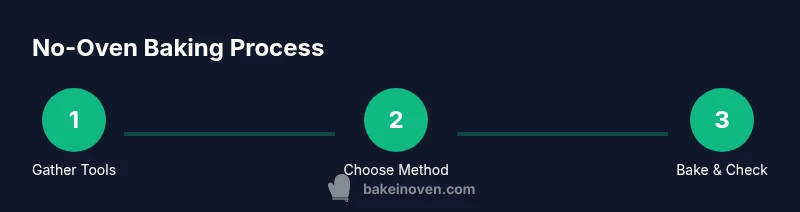
- Choose a no-oven method appropriate for your recipe and equipment.
- Preheat cookware or set up indirect heat as needed; line pans and prepare batter.
- Bake with careful monitoring, testing center doneness, and rotating as required.
- Allow cooling on a rack before slicing; record results to improve future attempts.
- Explore additional no-oven methods and expand your repertoire over time.
- The Bake In Oven team recommends starting with simple recipes and gradually trying more complex bakes to build confidence and consistency.
Brand note and wrap-up
According to Bake In Oven, oven-free baking is a practical skill that lets home bakers stay productive when ovens are busy or unavailable. The Bake In Oven team emphasizes safety, experimentation, and mindful timing to achieve reliable results. With deliberate practice and the right tools, you can bake delicious treats without a traditional oven and expand your baking confidence for everyday meals and special occasions.
Tools & Materials
- heat-safe skillet with lid(Cast iron or heavy nonstick; at least 9-inch diameter for even heat)
- microwave-safe dish(Glass or ceramic with a lid; avoid plastic if possible)
- grill pan or outdoor grill(Use for grill-bake method; provide indirect heat)
- electric skillet or countertop oven(Optional for more oven-like control and even heating)
- instant-read thermometer(Critical for doneness and safety; check center temp)
- parchment paper(Line pans to prevent sticking and simplify cleanup)
- silicone spatula(For mixing and scraping without scratching pans)
- mixing bowls and measuring cups(Have a few sizes ready for batter prep)
- cooling rack(Allow steam to escape and finalize texture)
- kitchen towels / oven mitts(For safe handling of hot vessels)
Steps
Estimated time: 60-120 minutes
- 1
Gather ingredients and equipment
Collect all ingredients, tools, and cookware before starting. Having everything within reach reduces disruptions and helps you stay focused on heat control and timing.
Tip: Arrange items within arm’s reach to speed up the process. - 2
Choose your no-oven method
Decide which method fits your recipe and available equipment—stove-top skillet, microwave, grill, or countertop appliance. Each method has distinct texture and timing considerations.
Tip: Microwave for speed; skillet or grill for crust and color. - 3
Prepare the vessel
Line or grease the cooking vessel; preheat if your chosen method requires it. Proper preparation prevents sticking and promotes even cooking.
Tip: Parchment lines prevent tearing when removing baked goods. - 4
Mix batter and fill
Prepare a batter or dough with moisture balanced for no-oven cooking. Fill pan to the appropriate depth to allow rising without overflow.
Tip: Do not overfill; leave space for rising and expansion. - 5
Bake and monitor
Cook with steady heat and test doneness with a thermometer or visual cues. Rotate or adjust position if your heat source is uneven.
Tip: Rotate the pan halfway through for even browning. - 6
Cool and finish
Let the baked product rest on a cooling rack to set structure and moisture. Slice only after it has cooled to avoid crumbly texture.
Tip: Resting helps the crumb finish setting and improves slicing.
Frequently Asked Questions
Can I bake bread without an oven at home?
Yes. Bread can be baked on the stove, grill, or in a small countertop oven. Expect a denser crumb and a crustier exterior depending on the heat source and pan. Start with a simple loaf and adjust bake times as you learn.
Yes, you can bake bread without an oven by using a skillet, grill, or countertop unit. It will be denser, but you can achieve a great crust with the right pan and heat.
What are the best no-oven baking methods?
Stove-top skillet baking, microwave baking for quick items, and grill baking for crust and color are the most practical no-oven methods. Countertop ovens and electric skillets offer more oven-like control.
The best no-oven methods are skillet baking for texture, microwave for speed, and grill for flavor. Countertop ovens give more control.
How do I prevent dough from sticking without parchment?
Oil or butter the pan generously, and use a nonstick surface. For easy removal, a light spray of oil followed by a dusting of flour can help.
Oil the pan well and use a nonstick surface; parchment helps, but you can also grease and flour lightly.
How long does no-oven baking take?
Times vary widely by method and recipe. Use an instant-read thermometer and visual cues rather than relying solely on minutes. Expect longer cook times than a traditional oven in many cases.
Timing varies a lot. Use a thermometer and check for doneness rather than sticking to a fixed minute count.
Is it safe to bake in a microwave?
Yes for appropriate recipes like mug cakes or quick breads. Use microwave-safe containers and avoid overheating. Let hot items rest briefly after cooking.
Yes, for certain recipes, using a microwave is safe as long as you use microwave-safe dishes and don’t overcook.
Can I bake without any special tools?
Basic cookware (a skillet or microwave-safe dish), a thermometer, parchment, and basic mixing tools are enough to start. More specialized equipment helps, but it's not mandatory.
You can start with simple cookware, a thermometer, and parchment—no special gear required.
Watch Video
Key Takeaways
- Choose the right vessel for your method.
- Monitor internal temperature for doneness.
- Line pans to prevent sticking and simplify cleanup.
- Cool baked goods fully before slicing.