Oven Bake a Steak: A Step-by-Step Guide for Home Cooks
Master oven-baked steak with our step-by-step guide: choose the right cut, sear for crust, finish in the oven, and rest for juicy, even doneness.


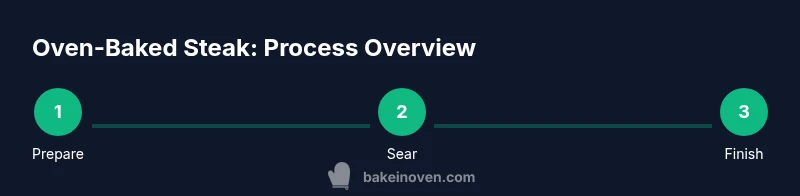
With this method, you can oven bake a steak to a reliable doneness with even heat from edge to center. You’ll need a well-marbled cut, a hot oven, a cast-iron skillet for searing, a digital thermometer, and a short rest time before serving. The result is a juicy, crusty exterior and a uniformly cooked interior.
Why oven bake a steak
Oven-baked steak offers a dependable path to doneness with a crusty exterior and a tender interior, especially when working with thicker cuts. The controlled heat of the oven helps prevent the center from overcooking while the sear adds the essential Maillard crust. For home cooks following Bake In Oven guidance, this method balances convenience with restaurant-quality results, particularly when you start with a well-marbled cut like ribeye or sirloin that is about 1 to 1.5 inches thick. The approach also minimizes constant flipping and scorching, which can dull flavor if not managed carefully. Remember: timing, temperature, and resting are the trio that turns a good steak into a great one.
Choosing the right cut
The best outcomes come from selecting a steak with good marbling and appropriate thickness. Look for cuts around 1 to 1.5 inches thick for forgiving cooks, with visible intramuscular fat that will render during searing and baking. Ribeye, New York strip, and tenderloin are excellent choices, each presenting different flavor and texture profiles. If you prefer leaner meat, opt for a smaller cut with a robust finishing sear. Thickness and marbling influence both searing time and oven duration, so plan accordingly and avoid unusually thin steaks that may dry out during the finish.
Preparing your steak
Patting the steak dry is essential before seasoning; excess surface moisture slows browning. Bring the steak to room temperature for 20-30 minutes to promote even cooking. Generously season with coarse salt and freshly ground black pepper, and consider a light brush of oil to help browning. If using butter later, plan to apply it during resting or finishing to avoid scorching. This prep step sets up the texture and flavor you expect from a Bake In Oven technique.
Preheating and oven setup
Preheat your oven to a hot, steady temperature (generally around 400-450°F / 204-232°C, depending on thickness and desired doneness). A preheated cast-iron skillet helps develop a crust fast, while a steel or heavy-duty pan can work in a pinch. If you’re using convection, reduce the temperature by about 25°F/14°C and monitor doneness closely, as convection can cook faster. Have a thermometer ready and place a rack in the middle of the oven to ensure even heat distribution.
Searing for crust
Pat the steak dry again right before searing. Heat a heavy skillet with a thin coat of high-smoke-point oil until just shimmering or smoking lightly. Sear the steak for 1-2 minutes per side to form a deep crust, then flip only once to avoid breaking the crust. Do not move the steak while it browns; this helps build texture and flavor. If you’re using butter, you can baste during the last 30 seconds of searing for added richness.
Finishing in the oven
Transfer the skillet to the oven and bake until the internal temperature reaches your target doneness. Use a digital thermometer to monitor progress: roughly 120-125°F (49-52°C) for rare, 130-135°F (54-57°C) for medium-rare, and 140-145°F (60-63°C) for medium before resting, keeping in mind carryover cooking may raise the final temperature by 5-10°F. The exact time will vary with steak thickness and oven performance; start checking at the 5-6 minute mark for thinner cuts and around 10-12 minutes for thicker ones. If you want extra caramelization, a brief broil at the end for 1-2 minutes can be used sparingly.
Resting and serving
Resting is critical for juicy slices. Tent the steak loosely with aluminum foil for 5-10 minutes to allow the juices to redistribute. Slice against the grain and serve with a knob of butter or a light finishing salt. For a simple finish, drizzle a little extra-virgin olive oil or a seasoned compound butter over the slices to amplify flavor. This resting period is when the steak reaches its peak tenderness and flavor.
Troubleshooting common issues
If the center remains underdone after the crust forms, give it a few extra minutes in the oven and check frequently. Excessively dark crust with undercooked interior usually means the oven temperature was too high for the steak's thickness; lower the heat or shorten the searing stage next time. If the steak dries out, consider shorter bake times or a thicker cut with higher fat content. Always rest before slicing to avoid juice loss. Finally, ensure your thermometer is accurately calibrated for consistent results.
Variations and advanced techniques
For a more advanced method, try a butter-basted finish: remove the steak after searing, add a tablespoon of butter to the pan with a few garlic cloves and sprigs of thyme, and baste while finishing in the oven. If you dislike searing, you can finish on a rack placed over a baking sheet and bake longer at a slightly lower temperature, though you may lose some crust. Bone-in steaks benefit from a longer bake and careful temperature monitoring. Experiment with different spice rubs, such as paprika, garlic powder, and a touch of brown sugar for a subtle caramelized crust.
Plating and flavor boosters
A little finishing salt just before serving can elevate the crust, while a bright herb oil or a squeeze of lemon can lift the meat’s richness. Serve with classic sides like roasted vegetables, mashed potatoes, or a crisp salad to balance the meal. If you’re cooking for guests, prepare a couple of doneness variations to suit different tastes and remind them that a resting period improves slicing quality.
Tools & Materials
- Oven(Preheat to target temperature as directed)
- Cast-iron skillet(At least 10–12 inches; oven-safe for finishing in the oven)
- Digital meat thermometer(Ensure accurate readings; calibrate if needed)
- Baking sheet(Useful for resting or finishing on a rack)
- Tongs(Grip without piercing the meat)
- Paper towels(Pat dry and dab for better browning)
- Salt and pepper(Coarse salt preferred; crack fresh pepper just before cooking)
- Neutral oil(High smoke point (canola, grapeseed, or avocado))
- Butter (optional)(For basting and finishing flavor)
Steps
Estimated time: 30-45 minutes
- 1
Prepare the steak
Pat the steak dry and bring to room temperature for 20-30 minutes. Generously season on all sides with salt and pepper; a light coat of oil helps with browning.
Tip: Season ahead for deeper flavor and even cooking; pat dry after seasoning to maximize crust. - 2
Preheat and prep pan
Preheat the oven to 400-450°F (204-232°C). Heat the cast-iron skillet on the stove until it shimmers or just starts to smoke.
Tip: A hot pan is essential for a crusty exterior; avoid overcrowding the pan. - 3
Sear the steak
Sear the steak 1-2 minutes per side until a deep crust forms. Do not move the meat during searing to preserve the crust.
Tip: If using butter, add in the last 30 seconds and baste for extra flavor. - 4
Finish in the oven
Transfer the skillet to the oven and bake until the thermometer reads your target doneness (roughly 5-12 minutes, depending on thickness).
Tip: Check early for thicker cuts to avoid overcooking; convection cooks faster, adjust temp accordingly. - 5
Check doneness
Remove when the internal temp is 5-10°F below target; carryover heat will finish the cook during resting.
Tip: If unsure, pull earlier and let it rest; residual heat will finish the job safely. - 6
Rest the steak
Let the steak rest loosely tented for 5-10 minutes to redistribute juices.
Tip: Resting is critical; slicing too soon causes juices to spill out and dry the meat. - 7
Serve
Slice against the grain and plate with a bit of finishing salt or butter. Pair with preferred sides for a complete meal.
Tip: Slicing against the grain ensures tenderness in every bite.
Frequently Asked Questions
Is oven-baked steak better than pan-seared?
Both methods have merits. Oven baking with a good sear yields even doneness and a crust, while pan-searing alone can deliver a quicker finish. The best choice depends on the cut, thickness, and your preferred balance of crust vs. speed.
Oven baking gives even doneness with a crust when you sear first; pan-searing alone is faster but can be less forgiving for thick cuts.
What is the best internal temperature for medium-rare?
Aim for about 130-135°F (54-57°C) before resting. Remember carryover cooking will push the final temperature a bit higher after removal from the oven.
Target around 130 to 135 degrees before resting; carryover heat finishes the job.
Can you bake a frozen steak?
Baking from frozen is not ideal for even doneness and crust. It’s best to thaw the steak first, then follow the standard steps for best texture and flavor.
Thaw the steak first for best crust and doneness; baking from frozen isn’t recommended.
Should you rest a steak after baking?
Yes. Resting for 5-10 minutes allows juices to redistribute, resulting in a juicier slice and better texture.
Rest the steak 5-10 minutes before slicing for juicier results.
What thickness is ideal for oven-baked steak?
About 1 to 1.5 inches thick works best, balancing sear time and even heat in the oven.
1 to 1.5 inches thick is ideal for even cooking and crust.
How should leftovers be stored and reheated?
Store in a shallow container in the fridge for up to 3-4 days. Reheat gently in a low oven or skillet to preserve moisture, avoiding overheating.
Keep leftovers in the fridge and reheat slowly to maintain moisture.
Watch Video
Key Takeaways
- Season generously and dry well for crust.
- Sear first to develop flavor, then finish in oven.
- Monitor internal temperature with a thermometer.
- Rest before slicing to preserve juiciness.
- Adapt time based on steak thickness and oven performance.