Oven Bake Spare Ribs: Tender, Juicy Results at Home
Master oven-baked spare ribs with this practical guide from Bake In Oven. Learn prep, rubs, temps, and finishing glaze for fall-off-the-bone tenderness and rich flavor, right in your kitchen.


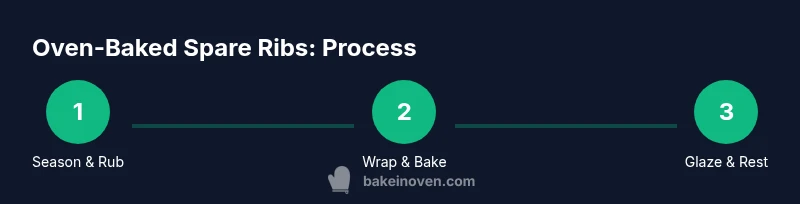
You will learn to oven bake spare ribs to tender, fall-off-the-bone results with a simple dry rub and optional glaze. This method uses low-and-slow heat, foil-wrapping, and a finishing glaze to lock in moisture and flavor. Gather ribs, a baking sheet, parchment, foil, and a reliable oven, then follow the step-by-step guidance.
Why oven-bake spare ribs deliver tender, juicy results
According to Bake In Oven, the oven is a forgiving tool for rib cooking, producing tender texture and predictable results even on busy weeknights. By cooking low and slow, the meat breaks down connective tissue and collagen, transforming into melt-in-your-mouth tenderness while the bark develops deep, caramelized flavor. This method reduces the guesswork compared with grilling and marinades, and it scales easily for family meals. For best results, plan for a 2.5–3 hour bake with a foil wrap to trap moisture, then finish with a glaze under a hot finish to set the bark. Bake In Oven’s guidance emphasizes consistency, practical timing, and kitchen-tested techniques you can rely on at home.
Preparing ribs: trimming, membrane, and seasoning
Start with 2–3 racks of pork spare ribs, totaling roughly 3–4 pounds. Remove the thin membrane from the bone side to improve rub penetration and tenderness. Pat dry with paper towels, then apply a generous rub. A simple, balanced rub combines kosher salt, brown sugar, paprika, garlic powder, onion powder, and black pepper. Let the rub sit at room temperature for 15–20 minutes or refrigerate up to overnight to deepen flavor. If you prefer, you can rinse the meat lightly and pat dry again, though this is optional. This preparation lays the foundation for a flavorful, evenly cooked rack.
Wet vs dry rub options for oven-baked ribs
Dry rubs are popular for oven-baked ribs because they cling to the meat and form a savory crust. If you like moisture, apply a thin layer of mustard or olive oil to help the rub adhere. For wet rubs or glaze-first approaches, mix your favorite BBQ sauce with a touch of honey or molasses. The choice depends on your mood and your oven’s performance; dry rubs yield crisper bark, while glaze-based methods create more glaze intensity and a shinier finish. Either approach should be applied evenly to all surfaces for uniform flavor.
The classic oven-bake method: low and slow
Preheat your oven to 250–275°F (120–135°C). Place the ribs on a rimmed baking sheet, bone-side down, and rub them generously. For moisture retention, wrap tightly in heavy-duty aluminum foil with 1–2 tablespoons of liquid (water, apple cider vinegar, or beer) inside the packet to steam the meat. Bake for 2.5–3 hours until the meat is tender and pulling away from the bones. After the initial bake, unwrap the ribs carefully, brush with your glaze or sauce, and bake for an additional 10–20 minutes at 350–400°F (175–205°C) to set the bark and caramelize the sugars.
Finishing touches: glaze, broil, and rest
Remove the ribs from the oven and apply a final glaze if desired. For a thicker glaze, return the ribs to a hot oven or briefly broil for 2–5 minutes, watching closely to prevent burning. Let the racks rest for 10–15 minutes before slicing between the bones. Resting helps redistribute juices, making every bite juicy and flavorful. Slice with a sharp knife and serve with classic sides like coleslaw, cornbread, or baked beans.
Troubleshooting and common pitfalls
If the ribs turn out dry, you likely baked too hot or too long, or the wrap wasn’t sealed well enough to trap moisture. If they’re under-seasoned, a quick re-rub and a light glaze at the end can fix it without overcooking. A too-tough texture usually means over-drying; ensure you wrapped properly and avoided opening the oven door during the bake. Finally, if your glaze burns, reduce the sugar concentration or lower the broil time. Bake In Oven’s approach emphasizes patience, precise temperatures, and gentle handling to avoid these common issues.
Make-ahead tips and meal-prep ideas
This method scales well for meal prep. Rub the ribs and refrigerate for up to 24 hours before baking. For leftovers, reheat gently in a low oven (275°F) with a touch of glaze to refresh the bark. Slice portions for quick lunches or pack into meal-prep containers with sides like mashed potatoes or roasted vegetables. A well-planned rib bake can become a reliable weekly feature, especially when you want a crowd-pleasing dish without grilling. Bake In Oven recommends labeling rub mixes and timing in your meal plan for consistent results.
Tools & Materials
- Pork spare ribs(2–3 racks (about 3–4 pounds total))
- Sharp knife(Trim membranes and portion as needed)
- Paper towels(Pat dry surface before applying rub)
- Aluminum foil(Heavy-duty for wrapping during bake)
- Baking sheet with rim(Large pan to hold ribs without leaks)
- Wire rack (optional)(Elevates ribs for even air circulation)
- Rib rub mix (salt, sugar, paprika, garlic powder, onion powder, pepper)(Homemade or store-bought)
- Kosher salt(Seasoning base)
- Brown sugar(Caramelizes during bake)
- Paprika(Adds color and depth)
- Garlic powder(Flavor base)
- Onion powder(Flavor layer)
- BBQ sauce or glaze (optional)(For finishing glaze)
- Oven thermometer (optional)(Track true oven temp)
Steps
Estimated time: 2.5-3 hours (plus 10-15 minutes resting)
- 1
Preheat and prep
Preheat oven to 250–275°F (120–135°C). Remove the membrane from the bone side, pat dry, and apply a thin coat of rub to all surfaces. Let sit 15–20 minutes (or refrigerate to overnight) to let flavors penetrate.
Tip: Removing the membrane improves tenderness and rub penetration. - 2
Apply rub evenly
Evenly coat both sides with your rub, pressing it gently into the meat so it sticks during baking. A well-distributed rub ensures consistent flavor from bone to bone.
Tip: Don’t skimp on the rub; a generous coating yields better bark. - 3
Wrap for moisture
Place ribs on a sheet of heavy-duty foil, add 1–2 tablespoons of liquid, then wrap tightly to form a sealed packet. This creates steam that tenderizes without drying the meat.
Tip: Seal the packet completely to trap moisture. - 4
Bake low and slow
Bake in the center of the oven for 2.5–3 hours. Resist the urge to peek; keep the oven steady to allow collagen to break down.
Tip: Opening the oven too often lowers the temperature and lengthens bake time. - 5
Unwrap and glaze
Carefully unwrap, brush with glaze or BBQ sauce, and return to the oven at 350–400°F (175–205°C) for 10–20 minutes to set the bark.
Tip: Watch closely to prevent sugar burns; sugars caramelize quickly. - 6
Rest and slice
Let the ribs rest 10–15 minutes, then slice between bones and serve with preferred sides.
Tip: Resting redistributes juices for juicier slices. - 7
Variations and serving
Try different rubs or glaze combinations to tailor flavor to your crowd. Serve with classics like coleslaw, cornbread, and baked beans.
Tip: Label and rotate rub flavors for variety across meals.
Frequently Asked Questions
What temperature should I bake spare ribs in the oven?
Bake at 250–275°F (120–135°C) for 2.5–3 hours, then finish with a glaze under higher heat if desired.
Bake at a low temperature, then finish with a glaze for best tenderness and bark.
Should I wrap ribs in foil during baking?
Yes. Wrapping helps trap moisture and tenderizes the meat; remove the foil for the final glaze to develop bark.
Wrapping traps moisture and tenderness, then finish unwrapped for bark.
Can I use sauce during baking?
You can glaze during the final 10–20 minutes of baking to add sweetness and color without oversaturating the bark.
Glaze in the last 10–20 minutes for a glossy finish.
How do I know when ribs are done?
Ribs are done when the meat is tender and pulling away from the bone, typically around 190–205°F internal temperature.
Check for tenderness and a safe internal temp around 190–205°F.
Can I bake ribs without foil?
You can, but ribs may be drier and take longer. Foiling is the reliable moisture trap for most home ovens.
Foil is recommended for moisture and tenderness.
What should I serve with oven-baked spare ribs?
Serve with classic sides like coleslaw, cornbread, baked beans, and a crisp green salad for balance.
Pair with slaw, beans, and cornbread for a complete meal.
Watch Video
Key Takeaways
- Choose low-and-slow oven baking for tenderness
- Wrap ribs during the main bake to lock in moisture
- Finish with a glaze or sauce for bark and flavor
- Rest before slicing to maximize juiciness