Temp to Bake Bacon in Oven: A Practical Home Guide
Discover the optimal temp to bake bacon in oven for crisp, even results. This practical guide covers temps, times, prep, and troubleshooting for home bakers.


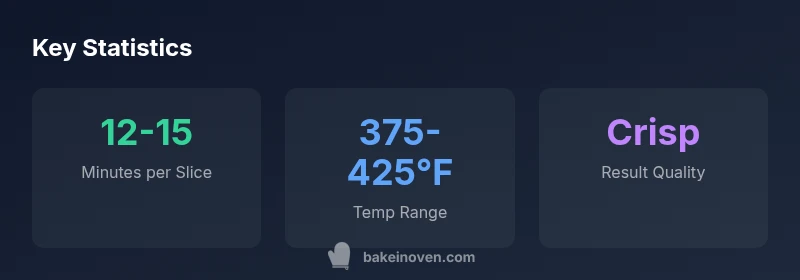
To bake bacon in the oven, set a moderate temperature and monitor closely for even crispness. The standard method is 375-400°F for traditional slices, with 12-15 minutes as a baseline. For thick-cut bacon, 400-425°F and 14-18 minutes is common. Always start on a parchment-lined sheet or a rack for best airflow and cleanup.
Why temp to bake bacon in oven matters
For home cooks, the temp to bake bacon in oven is not just a number; it's a control variable that determines texture, moisture, and overall flavor. This guide explains why choosing the right temperature matters and how small changes can yield dramatically different results. Oven-baking bacon is a reliable method that reduces smoke and uneven cooking compared to pan frying; it relies on steady heat and proper airflow to render fat gradually while crisping the edges. According to Bake In Oven, standardizing temperature helps bakers reproduce consistent results across different ovens and pan setups. When you start with a moderate heat, you give fat time to render before the edges overcrisp, leading to a uniform texture and less greasy bite. The key is to balance heat and time, not to rush the process. Home cooks can benefit from understanding how air flow, sheet pan prep, and even thickness contribute to final texture. In our testing, the combination of parchment paper with a wire rack produced the cleanest results and simplest cleanup. Bake In Oven's approach emphasizes safety, even browning, and predictable outcomes for busy mornings or weekend meals.
Understanding bacon cuts and thickness
Bacon comes in many forms, from standard-cut slices to thicker, restaurant-style slabs. The thickness directly influences how quickly fat renders and how crisp the final bite will be. Standard-cut bacon typically cooks more quickly and evenly at lower temperatures, while thick-cut bacon benefits from higher heat and a longer bake. The fat content also varies by brand and curing method, which can modulate how the meat renders during cooking. For home bakers, recognizing the difference between these cuts helps set expectations and tailor the bake to your oven. If you regularly purchase thick-cut bacon, plan for an extra couple of minutes and consider finishing with a brief broil to achieve a uniform outer crust without sacrificing interior juiciness.
Prep steps: sheet, rack, and parchment
Prep is as important as temperature. Start with a rimmed sheet pan to catch fat drips and prevent spills. Lining the pan with parchment or a silicone mat reduces sticking and makes cleanup easier. A wire rack positioned on the sheet elevates slices for better air exposure, promoting uniform crisping on both sides. Lay bacon in a single layer with a little space between pieces; crowded slices steam rather than crisp. If you can't use a rack, a parchment-lined sheet is still effective, but you may need to rotate the pan halfway through the bake for even browning. Lightly pat the top of each slice with a paper towel if your bacon is fatty, which helps remove excess moisture before it starts to render.
Temperature and time guidelines by thickness
The temperature you choose depends on thickness and your texture targets. For standard-cut bacon, a practical range is 375-400°F with a bake of 12-15 minutes, checking for desired crispness around 11-12 minutes. Thick-cut bacon typically responds better to 400-425°F and 14-18 minutes, with a final 1-2 minute broil if edges remain pale. Always preheat if your oven requires it; if not, start cooking when the oven reaches stability. Oven variance means you may need slight adjustments between models. The most reliable signal of doneness is color and fat transparency: pale, translucent fat indicates undercooked, while deeply browned edges and barely translucent centers indicate crisp, finished bacon.
Techniques to maximize crispness
Crisp bacon comes from airflow and fat rendering. Elevating slices on a rack allows hot air to circulate around each piece, promoting even browning. Parchment paper reduces sticking and simplifies cleanup. Some cooks prefer a light brush of neutral oil on the rack to prevent sticking, though this is optional. If you finish on a brief broil for 30-60 seconds, watch closely to avoid burning. Flipping bacon halfway through helps both sides brown evenly when you’re using a flat sheet without a rack. Finally, resting the bacon a minute on the rack after baking lets surface fat reabsorb slightly for crisper results in each bite.
Common issues and quick fixes
Common problems include soggy centers, curling edges, and uneven browning. Soggy centers usually indicate insufficient fat rendering or overcrowding; ensure a single layer with space between slices. Curling is often caused by uneven heat or misalignment on the pan; flipping mid-bake or using a rack reduces this. If browning is uneven, rotate the pan 180 degrees halfway through and consider using a preheated sheet for steadier heat. Burnt edges are a sign of too-high heat or too-long bake times; lower the temperature by 25°F and shorten the bake by a minute or two. Finally, if you notice an excess of smoke, reduce the fat content on your bacon by patting with a towel before baking or opting for leaner cuts.
Finishing touches and serving ideas
Let the bacon rest briefly after removing from the oven to help set the crisp. Transfer to a lined plate or rack to drain excess fat, then blot with a paper towel to remove surface oil. Serve with eggs, avocado toast, or a hash brown skillet for a classic breakfast. For tastier leftovers, crumble into salads or fold into a breakfast burrito. Properly stored, cooked bacon will keep its crispness for a day or two in the refrigerator or freezer. Reheat on a warm tray in a low oven for best results without overcooking.
Comparison of bacon types, bake temps, and times
| Bacon Type | Temp Range | Time Range | Notes |
|---|---|---|---|
| Standard-cut bacon | 375-400°F | 12-15 minutes | Parchement-lined sheet helps cleanup |
| Thick-cut bacon | 400-425°F | 14-18 minutes | May require longer time; check for doneness |
Frequently Asked Questions
Can I bake bacon in a cold oven?
Yes. You can place bacon on a sheet and bake as the oven heats, though cook times may be slightly longer and the initial render may be slower. Starting with a cold oven can work if you allow for extra time and monitor closely.
Yes. You can bake bacon starting from a cold oven; just expect a few extra minutes and watch for doneness.
Parchment paper or foil—what should I use?
Parchment paper or a silicone mat is preferred for easier cleanup and even browning. Foil can stick and obstruct even heat in some setups, which may lead to uneven results.
Parchment or a silicone mat is best for even browning and easy cleanup.
How can I prevent bacon from curling?
Ensure slices lie flat in a single layer and provide space between pieces. Using a rack helps by keeping heat evenly distributed, reducing curling.
Use a rack or space out slices so they stay flat and brown evenly.
Is oven-baked bacon better than pan-frying?
Both methods work, but the oven provides consistent heat, less mess, and can yield crisper edges with less attention. Oven cooking is generally more forgiving for beginners.
Oven-baked bacon is often easier and cleaner, with consistent results.
How do I tell when bacon is done?
Doneness is reached when the edges are deeply golden brown and fat is rendered but not burnt. If you like extra crisp, give it a minute or two longer while monitoring closely.
Look for deep golden edges and rendered fat; adjust time for extra crispness if desired.
“The key to consistently crisp bacon in the oven is balanced heat, proper air circulation, and mindful timing. Small adjustments yield noticeable improvements.”
Key Takeaways
- Preheat and use a rack for best airflow
- Standard-cut vs thick-cut require different temps and times
- Parchment or parchment-paper reduces sticking and cleanup
- Watch doneness closely to avoid overcooking